The Architects of Gulf Luxury — The Story of Chalhoub Group
 Read later
 Share
Share
How one family built the Middle East’s luxury market, boutique by boutique, over seventy years.
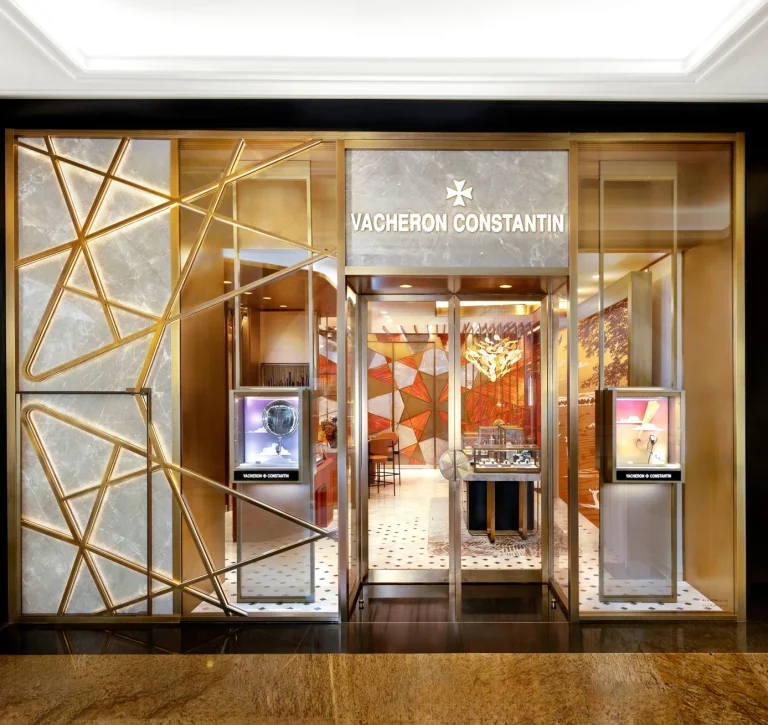
Walk into a boutique in Dubai Mall or Dubai Mall’s Fashion Avenue, and the name on the door will likely be a brand beloved in Paris, Milan or in between. But as a shopper, do you know the name behind that brand? The one that secured the lease, sprinkled some of its own magic in visual merchandising, trained the staff and built a meaningful relationship with the brand, long before the customer walks in.
For decades, that name has been Chalhoub. It has maintained its success by being invisible.
And the model made sense. A distributor’s value comes from its network and expertise, while the customer remains focused on the brand itself. But after decades of learning what works in the region, Chalhoub also gained a clear understanding of which brands were worth owning itself.
That shift — from representing brands to holding stakes in them — is where Chalhoub Group‘s story is heading now, and it is worth watching closely.
The First Boutique
The story begins in Damascus, in 1955, with a couple and a single boutique. Michel and Widad Chalhoub secured the regional rights to Christofle, the French silverware house, and opened one boutique to sell it. There was no grand plan for an empire at that point — only a bet that the region’s appetite for European craftsmanship was real, and that someone needed to bring it in properly.
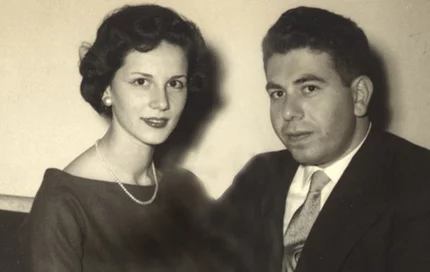
Not long after Michel and Widad started the business in Damascus, political unrest forced them to leave. They moved to Beirut, then had to move again to Kuwait, starting over each time with less than before. Most people would have given up after that kind of disruption. Instead, the family treated each move as a learning experience — they got better at understanding new markets, earning the trust of European brands, and building relationships wherever they landed, relying mainly on their reputation.
Eventually they settled in Dubai for good — at a time when Dubai itself hadn’t yet become the city it is today. Now, because Chalhoub got there early, they started doing things that, rather than just entering an existing luxury market — they helped build it from the ground up. That early, active role is what set the tone for everything the company did over the next seventy years: instead of following where luxury retail already existed, they positioned themselves early enough to help create it.
Building the Market, Not Just a Business
Arriving early in Dubai was only the opening move. What followed was decades of work with no real precedent in the region — with no existing model for bringing European luxury houses into a market still building the malls, the infrastructure, and the customer base to support them.
Chalhoub took on that work directly. The group opened stores for the brands it represented and also built the retail infrastructure those brands needed: training staff to a significant standard, managing logistics for goods that had never before required a supply chain into the Gulf, and earning the kind of long-term trust with European houses that takes years to establish. Each successful brand partnership made the case for the next, and each launch gave the region more credibility with the houses still watching from outside.
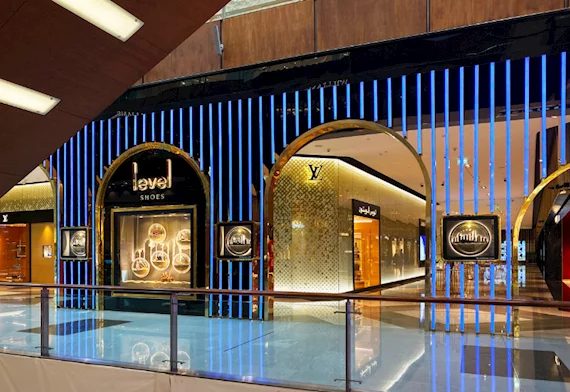
By the time global luxury brands began treating the Gulf as an established market, Chalhoub had already spent years making its case on the map.
The group had shaped the conditions luxury retail needed to exist there.
The Group Today
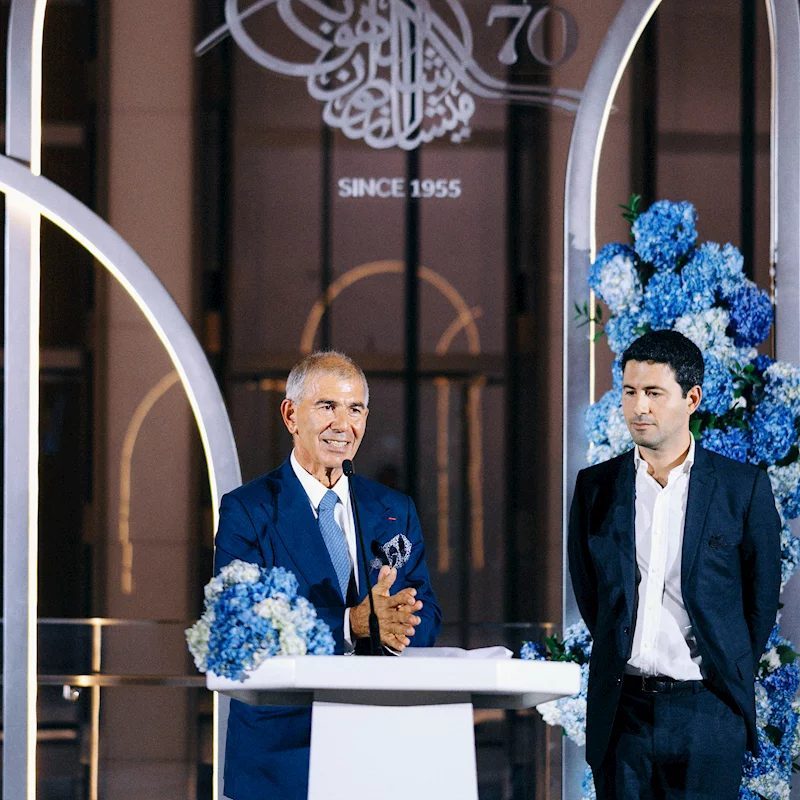
At the start of 2025, leadership passed to its third generation. Michael Chalhoub became chief executive, while his father Patrick, who had led the group for more than two decades, moved into the role of executive chairman.
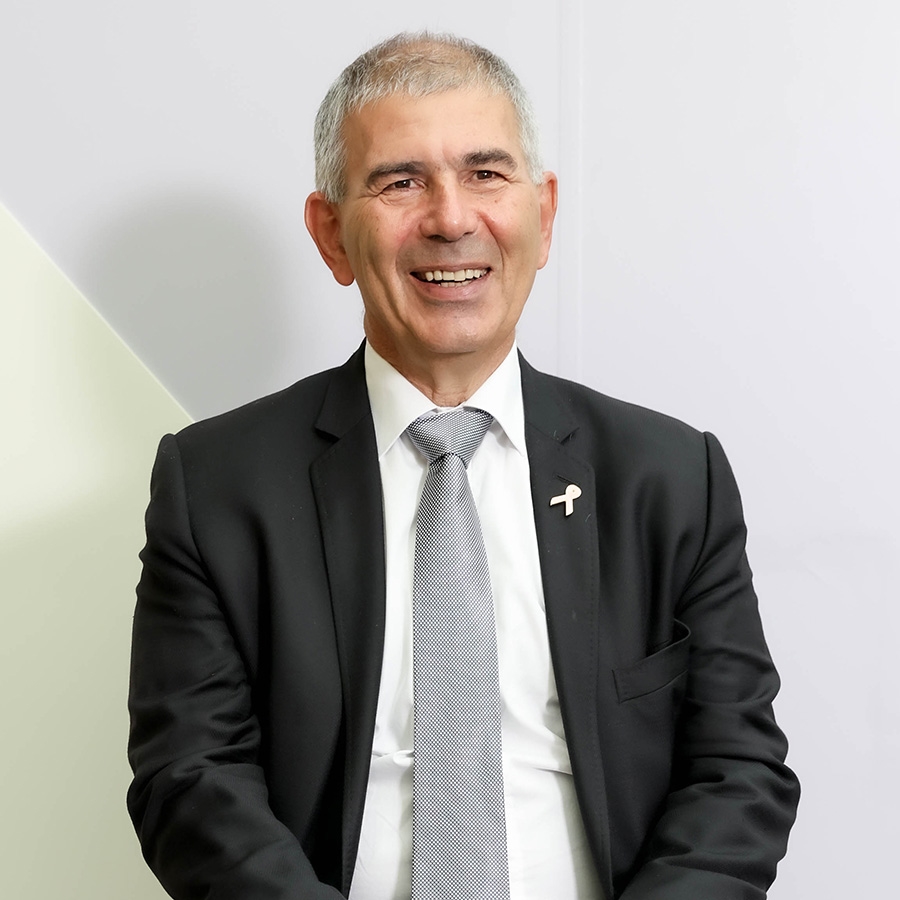
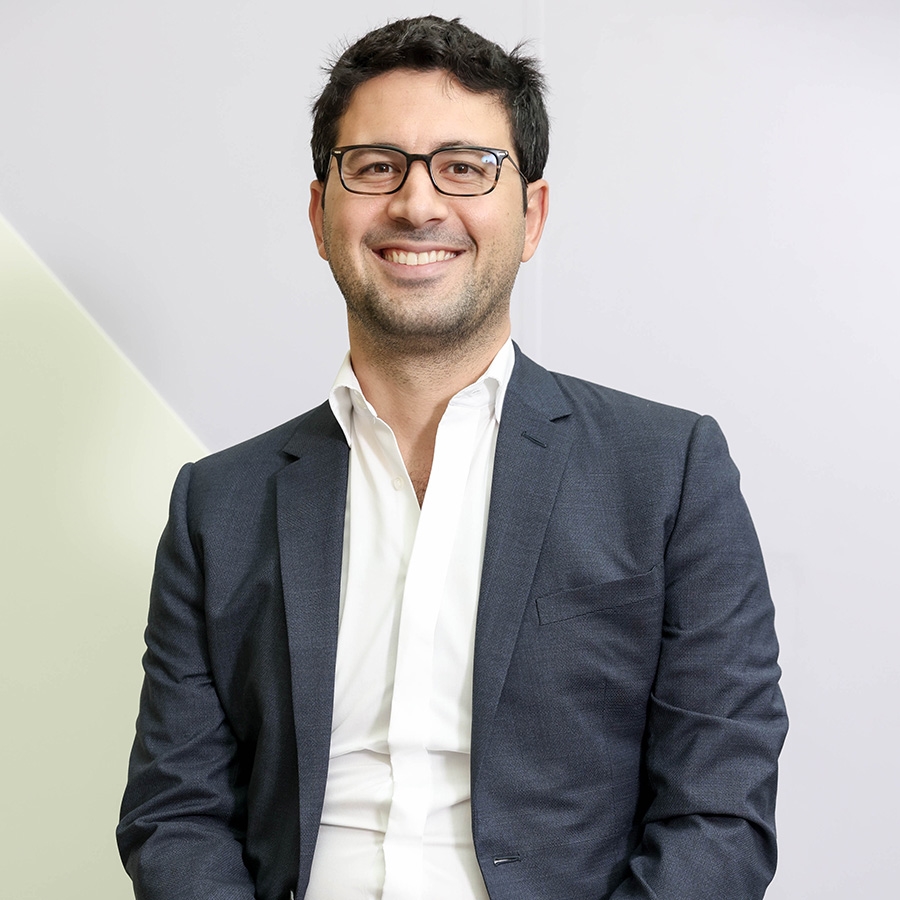
The succession carries weight beyond the title change. A business built across three generations inherits more than assets and brand relationships — it inherits a way of operating, tested through the family’s earliest years of rebuilding after every forced relocation. Michael’s task is not to prove the group can survive a transition; Chalhoub has already done that, more than once, since Damascus. His task is to decide what the group becomes next, with a foundation his father and grandparents spent seventy years laying.
A New Wing — Ownership
That question was answered in 2022, when Chalhoub acquired a majority stake in Threads Styling, a London-founded luxury shopping platform built around personal stylists who work with clients directly to chat and social media. The deal put Chalhoub in a business built for a different kind of luxury customer — one shopping through a phone and a stylist relationship rather than a boutique visit. After seventy years mastering physical retail, it was a real step into something new: owning a platform, not just distributing a brand.
Two years later, Chalhoub extended that thinking with OTB Group, the Italian fashion company behind Diesel, Jil Sander, Maison Margiela, and Marni. Chalhoub and OTB signed a twenty-five-year joint venture to grow three of those houses – Jil Sander, Maison Margiela, and Marni — across the Middle East, pairing Chalhoub’s regional infrastructure with OTB’s design houses. This deal worked differently from Threads — Chalhoub did not buy shares in OTB Group itself. Instead, both companies built a shared venture to run and grow those three brands together.
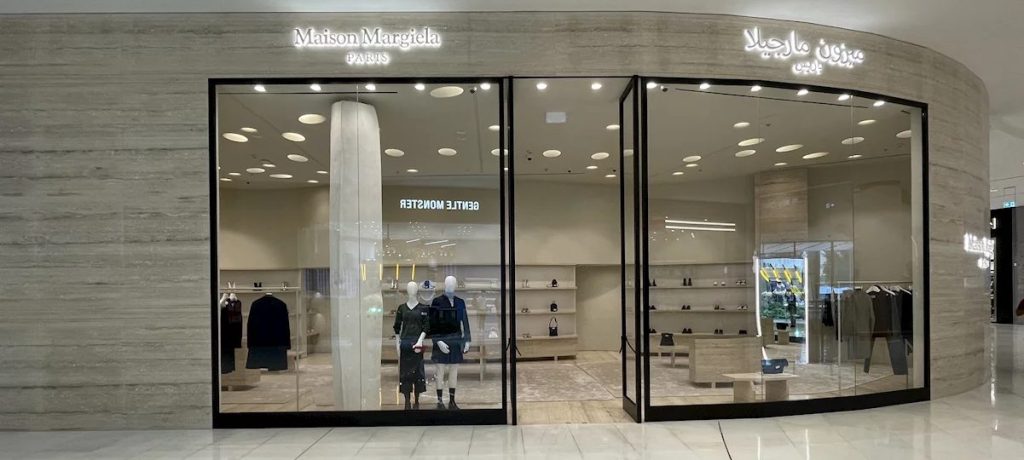
The two deals took different forms, but they point in the same direction. Threads gave Chalhoub direct ownership in an adjacent business. OTB gave it a structural partnership with a major European fashion house. Neither move replaced what the group had built as a distributor. Both showed a company no longer satisfied with representing brands alone, now finding new ways to hold a stake in what those brands become.
A Legacy in Fashion
Over seventy years after a single Christofle boutique in Damascus, Chalhoub Group’s story comes down to timing and patience. The family moved when they had to, rebuilt when they needed to, and got to Dubai early enough to help shape the market rather than just enter it. That same pattern shows up in the brand partnerships they built, the scale they reached, and now in the handover to a third generation.
The recent moves into ownership — Threads Styling, the OTB joint venture — fit that same pattern. They’re not a break from what the family has always done.
A family that once bet on an unproven city is now betting on unproven models, in the industry it helped invent. Nobody knows what the next years hold.
But if the last seventy are any indication, Chalhoub won’t be the one waiting to find out.
Read later
Share