Why Would Anyone Pay $10 Million for a Watch?
 Read later
 Share
Share
Why the world’s rarest watches are performing like an asset class of their own
Every spring, Geneva hosts two very different rituals in the same city, weeks apart. The first is Watches and Wonders, the industry’s largest trade fair, held this year from April 14 to 20, 2026, at the Palexpo Exhibition Centre, where roughly 65 brands including Audemars Piguet, Patek Philippe, and Rolex unveil the year’s newest releases. It is watchmaking looking forward: new movements, new complications, new designs, the industry’s best case for what comes next.
The second ritual is quieter, and looks backwards instead. A few weeks later, in May, the major auction houses – Christie’s, Phillips, and Sotheby’s – descend on the same city to sell what collectors already own: watches with decades, sometimes a century, of history behind them. This year, that second ritual broke records across nearly every major house, and showed where the real money is actually going in a market that had otherwise looked flat.
Who Shapes This World
Behind every auction podium sits a small group of families and individuals who don’t just buy the watches on offer. They own the houses that make them and often collect quietly on the side.
The Stern family has controlled Patek Philippe since 1932, currently under fourth-generation president Thierry Stern.

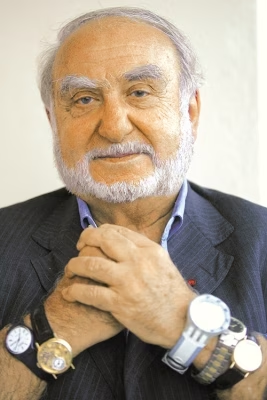
The Hayek family, descendants of the late Nicolas G. Hayek, control the Swatch Group, which owns Breguet, Blancpain, Omega, and Longines, with Nayla Hayek chairing the board and Nick Hayek Jr. serving as CEO.
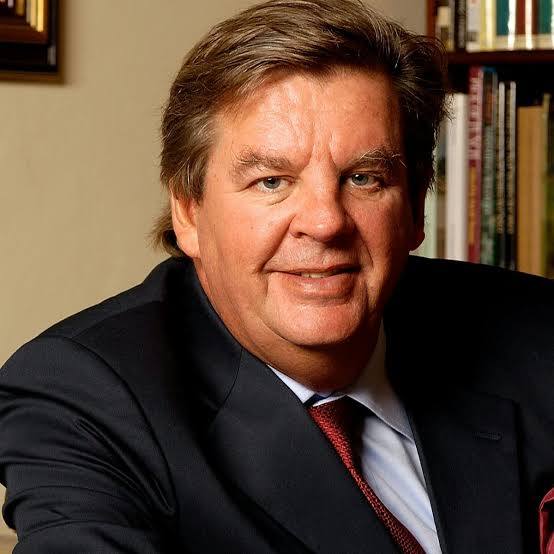
Johann Rupert chairs Richemont, the group behind Cartier, Piaget, Vacheron Constantin, and Jaeger-LeCoultre, and is himself a serious car collector, with a personal collection of vintage and racing cars housed at the Franschhoek Motor Museum in South Africa.
The Scheufele family, led by siblings Karl-Friedrich and Caroline Scheufele, owns Chopard. Bernard Arnault, chairman of LVMH, controls TAG Heuer, Hublot, and Zenith, and has installed his son Frédéric Arnault as CEO of the group’s watch division.
The Record That Set the Tone
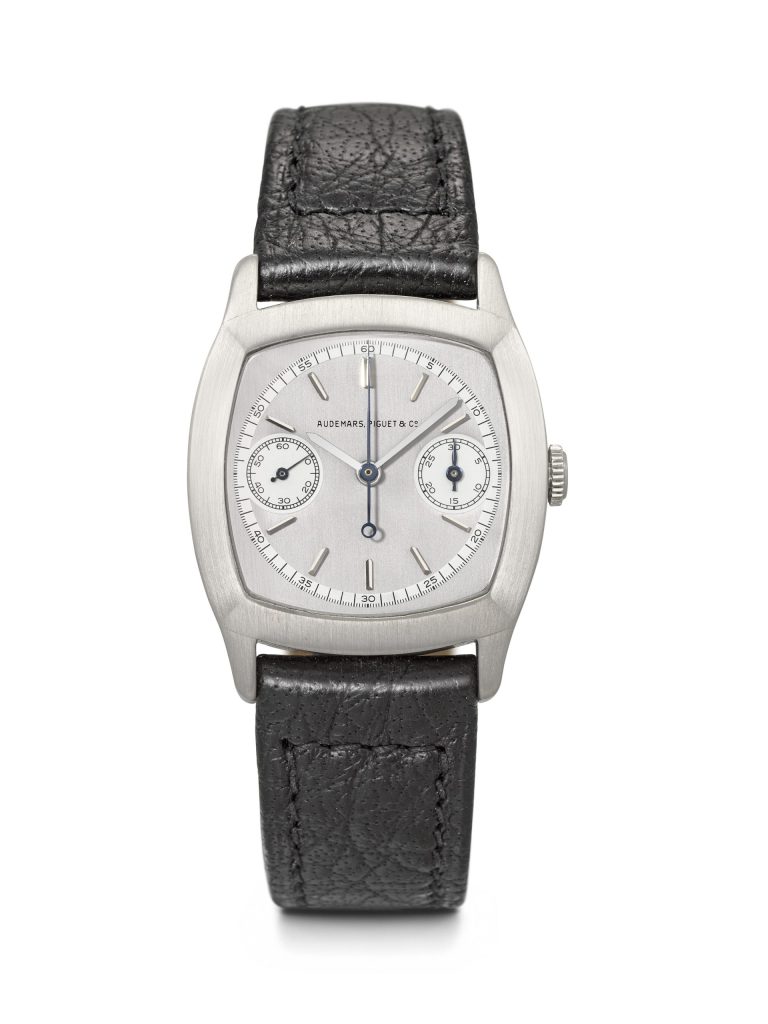
At Christie’s Geneva Rare Watches sale on May 11 and 12, 2026, a circa-1930 Audemars Piguet single-button “Coussin Tortue” chronograph sold for more than $2.7 million, against a high estimate of roughly $510,000. It set a world record for any vintage AP chronograph wristwatch.
The watch was originally made for the American market and is one of only two surviving examples from a production run of three. It stayed in the same family for more than 90 years, passed down since the original buyer purchased it in 1935, before finally reaching auction for the first time this spring, consigned by the buyer’s third-generation descendants.
A Landmark Season Across the Board
The AP result was one part of a season that broke records across the board. Phillips’ Geneva Watch Auction XXIII, held May 9 and 10, 2026, totalled $96.3 million across 225 lots, the highest-grossing watch auction in history, and produced 43 world records. Christie’s Geneva Rare Watches, held May 11 and 12, totalled $42.3 million across 228 lots with a 99 per cent sell-through rate, which the house called the best various-owner watch auction result in its history. Sotheby’s Geneva, on May 10, sold a 1916 A. Lange & Söhne Grande Complication, the fifth of nine examples ever made and the last one made in pink gold, for $2.06 million, making it the most expensive A. Lange & Söhne timepiece ever sold at public auction.
Where the Ceiling Sits
The season’s top result came at Phillips, where a Patek Philippe Ref. 2523 “South America” world-timer, with a hand-painted enamel dial, sold for $10.2 million. It became only the third Patek Philippe wristwatch ever to clear $10 million at auction.
Rolex broke its own record in the same season. The “Bao Dai,” once owned by Vietnam‘s last emperor and purchased during the 1954 Geneva peace negotiations, sold for $5 million at Phillips, making it the most expensive Rolex ever sold at auction. Only three examples of the watch exist with its black dial and diamond hour markers, and the sale followed an eight-minute bidding contest among ten bidders in the room and three more on the phone.
Depth Beyond the Trophy Lots
The season’s strength went well beyond its biggest names. At Christie’s, an F.P. Journe Tourbillon Souverain Reference T sold for $3.12 million, more than five times its low estimate. A 1990 Cartier Crash London sold for just over $2 million, setting a new auction record for the model and becoming the most expensive Cartier watch ever sold.
Independent watchmaking stood out this season as well. At Phillips, six of nine F.P. Journe lots on offer set world records, and an Akrivia AK-06 in stainless steel sold for $3.9 million, itself a world record for the reference.
What the Watch Season Suggests
Together, the results describe a season where scarcity and provenance drove the strongest outcomes: a vintage chronograph with only two known survivors, an imperial Rolex with only three known examples, a Grande Complication with a documented history back to 1916. None of these watches was made to be assets. They became assets because someone, somewhere, decided that scarcity and story were worth paying for, and this season, serious capital agreed at record prices.
Each auction house called its results among the strongest in its history for the category. Whether that reflects a lasting shift in how collectors treat rare watches, or an unusually strong run for trophy-grade pieces, will become clearer as the rest of 2026’s auction calendar plays out.
Either way, Geneva’s spring season offered a rare, clear look at where the world’s wealthiest collectors are quietly placing their bets next.
Read later
Share