Alserkal: Dubai’s Iconic Art Scene Started in a Warehouse
 Read later
 Share
Share
Tucked into the industrial district of Al Quoz, a stretch of converted warehouses has become the centre of the UAE’s contemporary art scene. Galleries, project spaces and studios sit side by side with print workshops and coffee roasters, all sharing the same buildings and the same visitors.
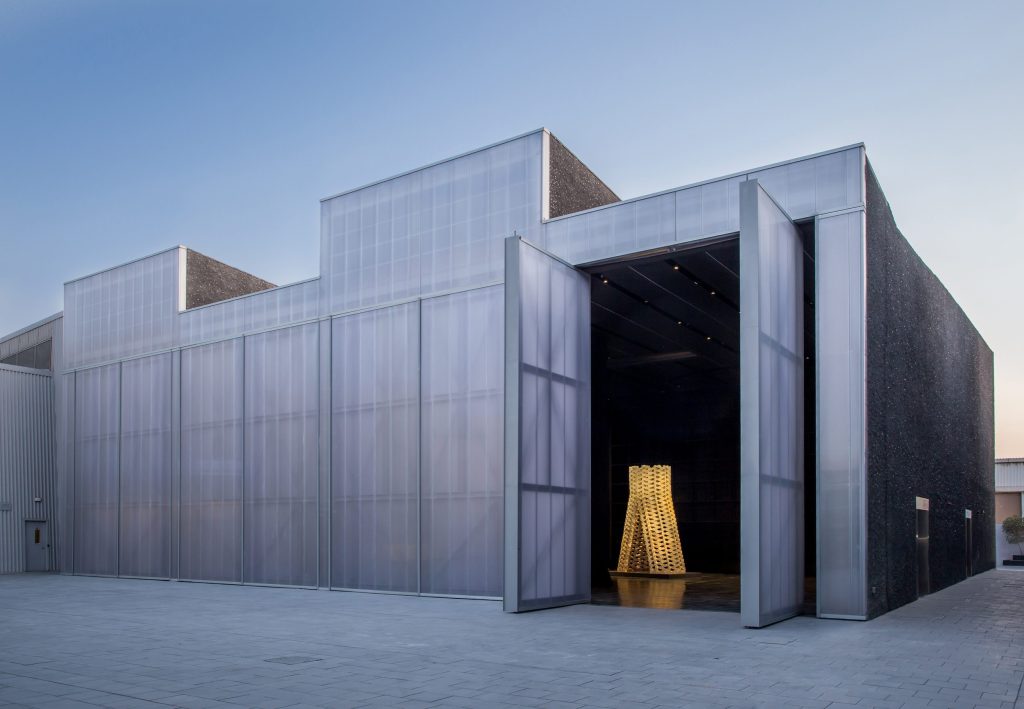
This is Alserkal Avenue, built deliberately over the past decades into the UAE’s real art infrastructure.
What Alserkal is, and when it started
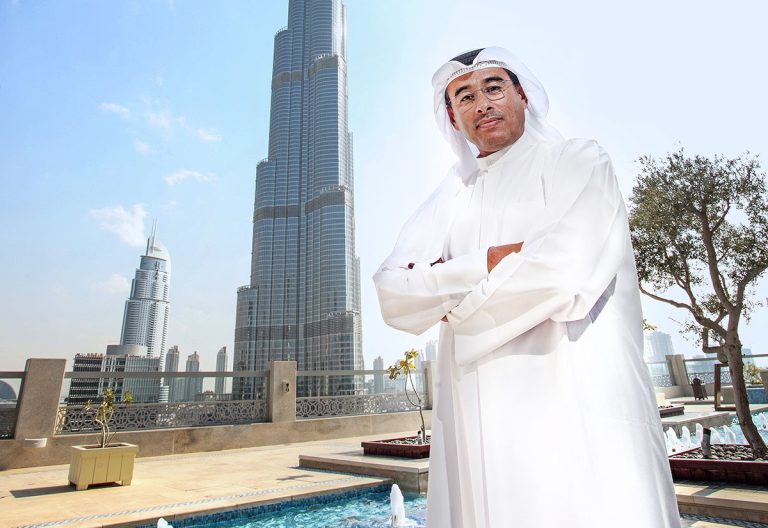
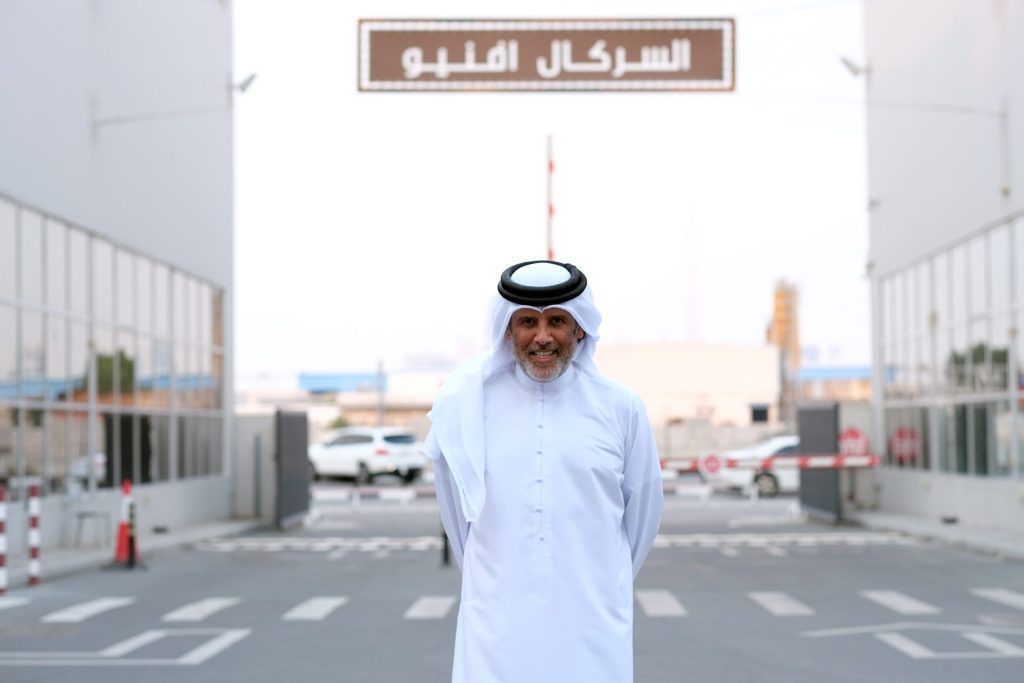
Founded in 2008 by Abdelmonem Bin Eisa Alserkal in the Al Quoz industrial zone, the compound began as warehouse space offered to galleries and creative operators willing to commit to permanent programming. The idea was simple: create the space for galleries and creative operators to establish themselves, and let a cultural district grow around them.A major expansion unveiled in 2015 added more gallery and cultural space, helping establish the Avenue as a larger creative district. Today, Alserkal Avenue spans around 500,000 square feet across 90 warehouses and is home to a community of more than 70 contemporary art galleries, cultural organisations, designers and creative businesses.
The warehouse setting offered galleries a more affordable alternative to traditional commercial spaces, while Al Quoz’s proximity to central Dubai and Sheikh Zayed Road made it an accessible location. As more galleries and creative organisations moved in, the concentration gradually turned the area into a walkable art district – one where visitors can move between galleries, project spaces and studios without leaving Al Quoz.
The birth of an iconic art spot
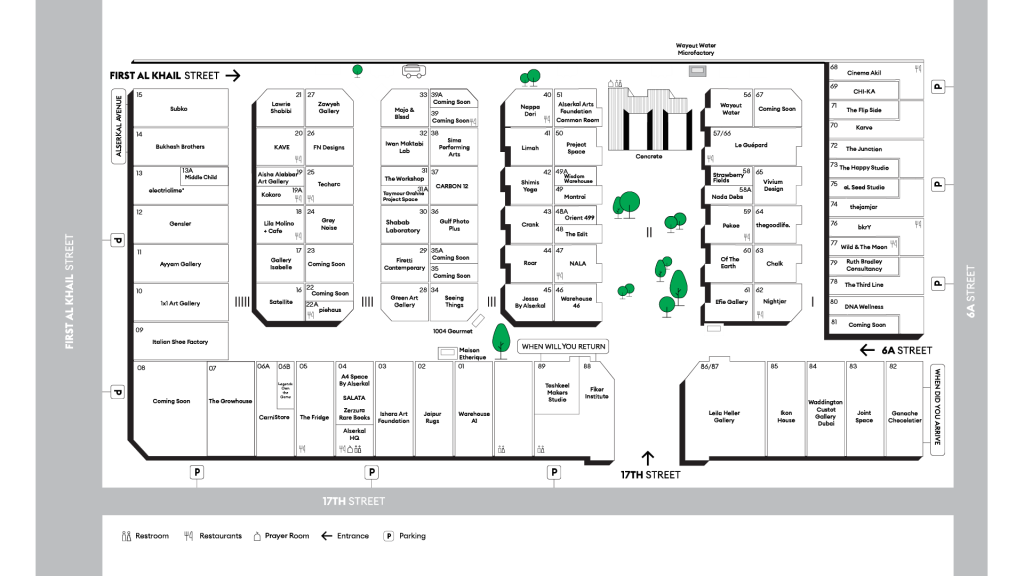
A conventional gallery row tends to hold one type of space, at one stage of maturity. Alserkal doesn’t. Within the same stretch of warehouses, a visitor can move from an established gallery with two decades of market history to a two-year-old project space still finding its programme, from painting and sculpture to sound installation and archival photography, from artists who show at Frieze to ones showing for the first time anywhere.
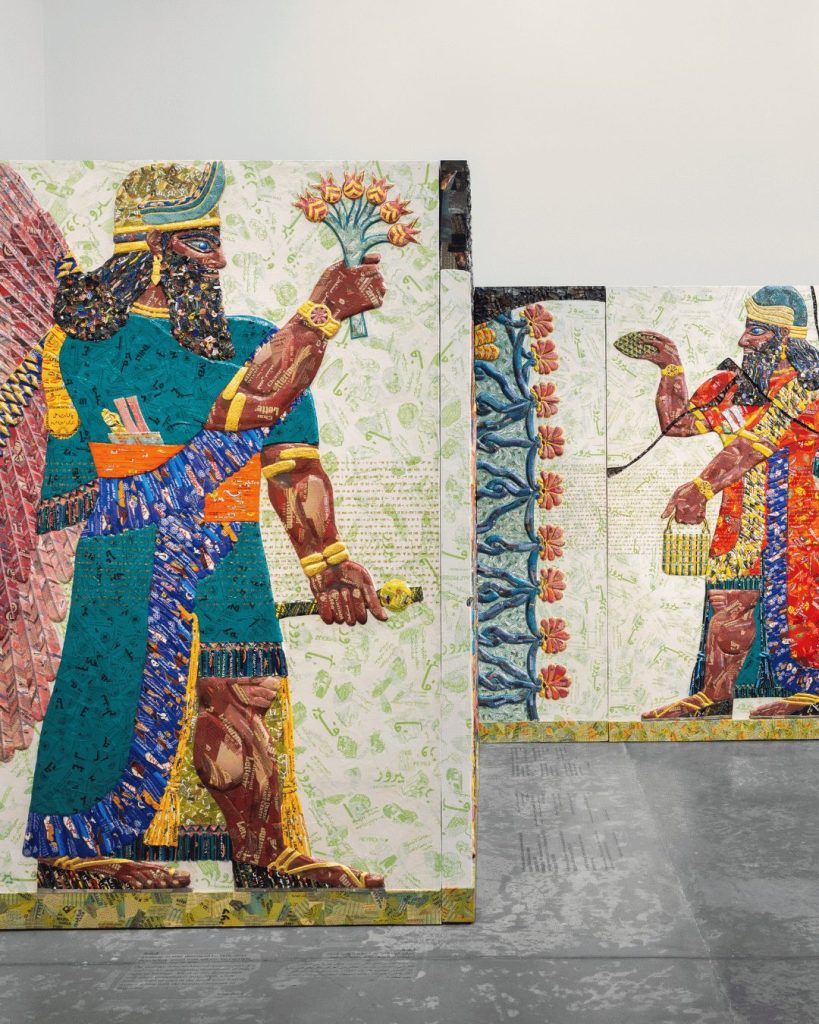
The Avenue’s late-night programme, makes this easy to see in one visit: galleries stay open together, so the district works for one evening as a single walkable survey of where the regional market currently stands.
The art lover’s gallery guide
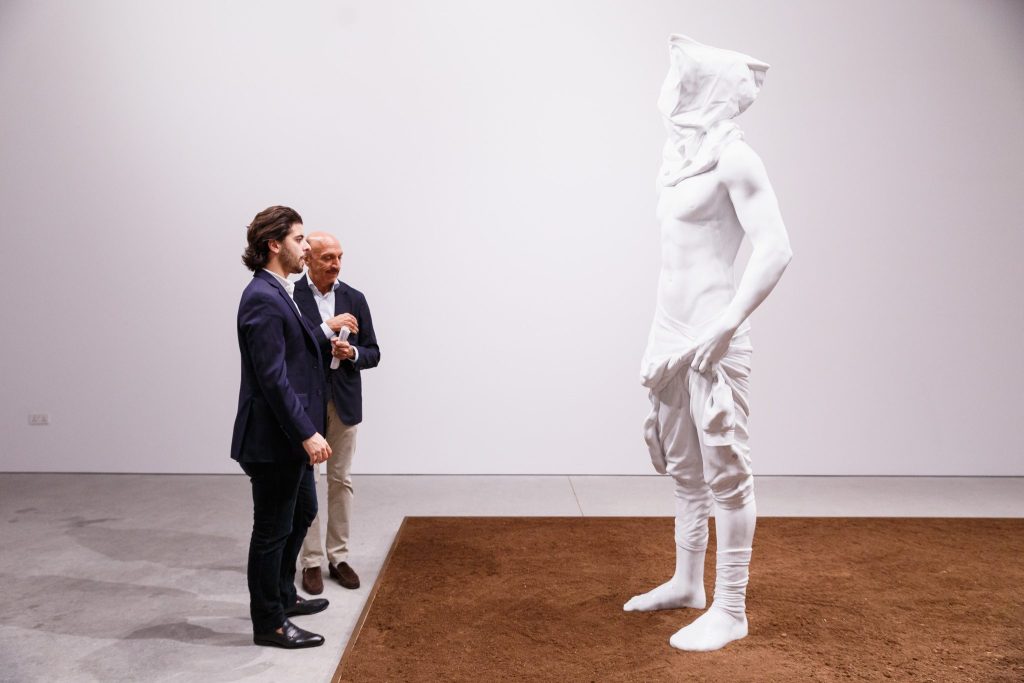
For a first visit, these are some of our favourite spaces. The Third Line, founded in 2005 by Sunny Rahbar, Claudia Cellini and Omar Ghobash – three years before Alserkal Avenue itself existed – remains the key entry point into serious regional practice. Its founding mission was straightforward: give artists from the Middle East, North Africa and South Asia a platform that didn’t exist elsewhere at the time.
Leila Heller Gallery, which opened its Dubai space in Alserkal Avenue in 2015, brings an international perspective to the district. The gallery works with emerging and established artists from the Middle East, Central Asia and Southeast Asia, while its programme is built around conversations between Eastern and Western artistic practices. Its Dubai space is also notably large, with three exhibition areas, making it one of the Avenue’s more expansive stops.
Where the serious collectors end up
For anyone serious about collecting, rather than just browsing – these spaces, among others carry the most institutional weight.
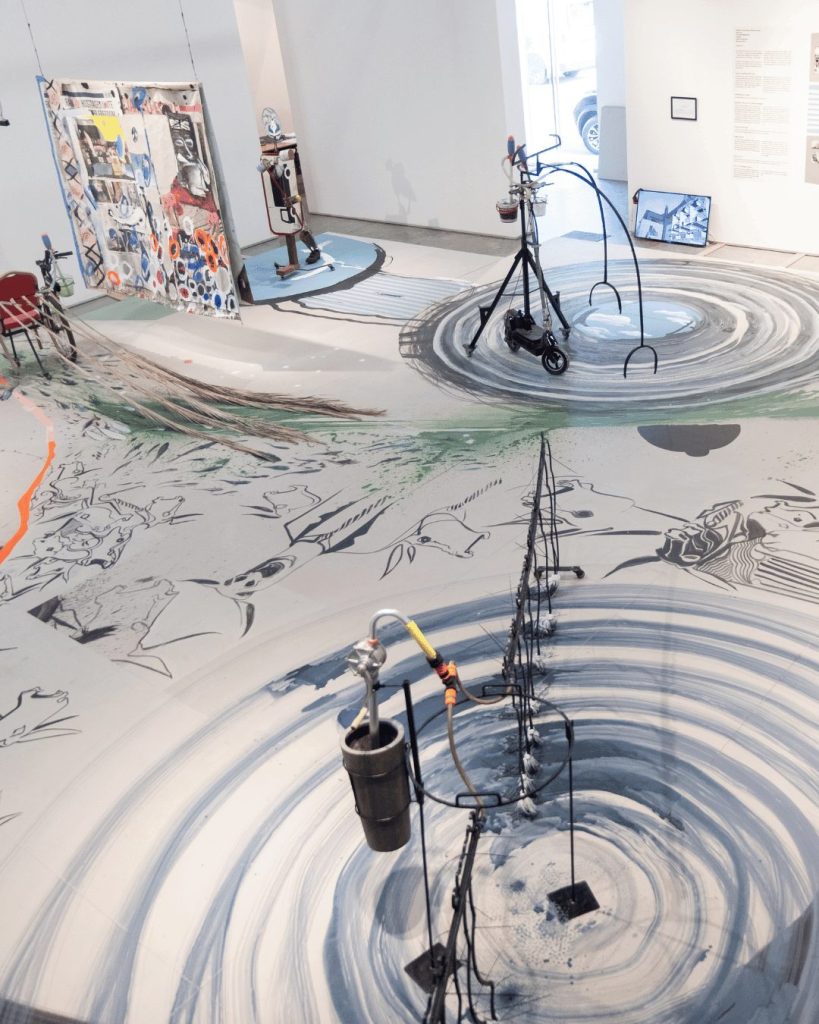
Lawrie Shabibi, established in 2010 by former Art Dubai managing director Asmaa Al-Shabibi and former Christie’s Middle Eastern art director William Lawrie, represents Mohamed Ahmed Ibrahim, subject of a dedicated 2018 Sharjah Art Foundation survey and the selected visual campaign artist for Abu Dhabi Art. The gallery’s roster also includes Mohamed Melehi, Mona Saudi and Shaikha Al Mazrou, and it shows regularly at Frieze, Art Basel Hong Kong and The Armory Show – international fairs that put its artists in front of collectors well beyond the region.
Gallery Isabelle, founded by Isabelle de Caters, has spent two decades building a programme around contemporary art from the region. Its roster includes influential figures such as Hassan Sharif and Mohammed Kazem, alongside a younger generation of artists, making it a particularly interesting stop for collectors looking to follow the development of contemporary art in the UAE and wider region.
The Avenue and its afterthought
Alserkal rewards return visits because the range holds together – a first-time visitor still learning to look and a collector building a serious position can walk the same stretch of warehouses, often in the same afternoon. Nearly two decades after Abdelmonem Bin Eisa Alserkal offered space to a handful of galleries willing to bet on an unproven district, that range is the clearest evidence the bet paid off. The Avenue shows no sign of stopping, and will continue to build the market with it.
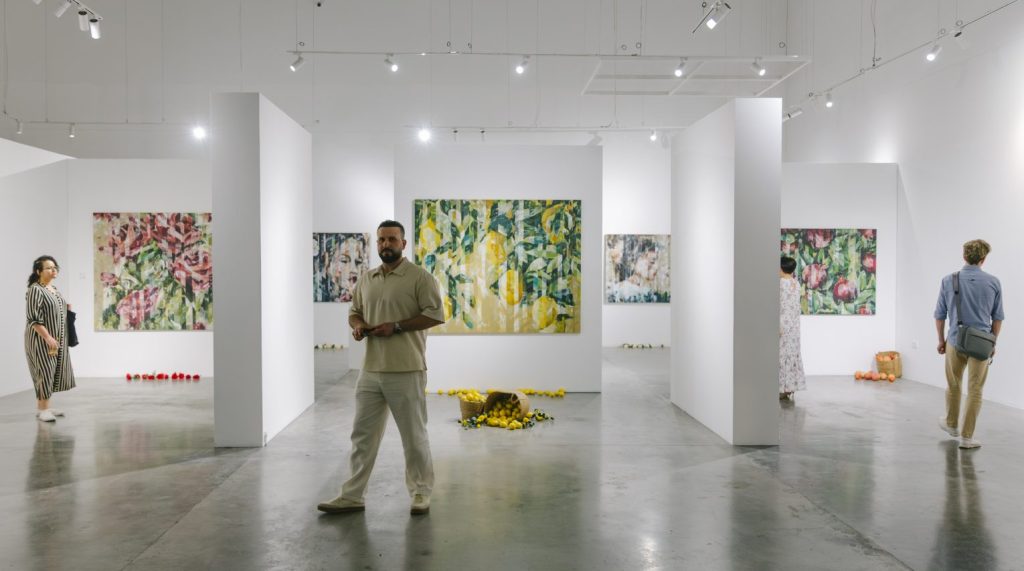
For those who want to go beyond the galleries, the Alserkal Arts Foundation offers another way into the Avenue’s cultural programme, with exhibitions, commissions, research and public initiatives.
Read later
Share