Why in 2026 Billionaires Are Building Museums Instead of Donating Money
 Read later
 Share
Share
Business beyond the art
Over the last twenty years, a handful of the world’s richest people have quietly built their own museums instead of giving money to someone else’s. It looks like philanthropy. It functions like something else entirely — a tax structure, a marketing tool, a way to raise the value of art they still own, and a door that only opens for the people they choose to let in.
How It’s Built
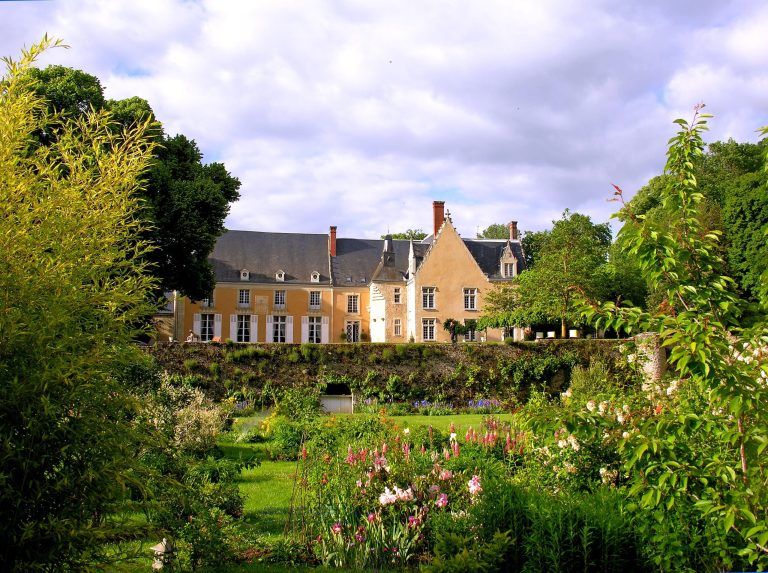
There are two ways this gets built. In Europe, the model is a lease. A city owns a beautiful old building, which it can’t afford to restore, so a billionaire pays for the restoration in exchange for a long-term lease and full say over what gets shown inside.
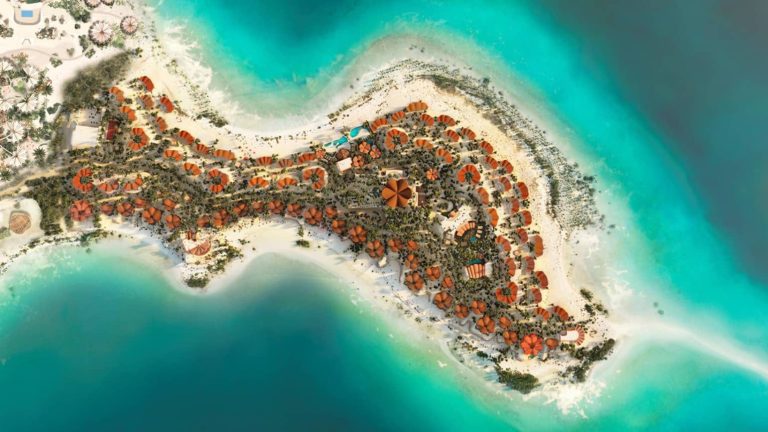
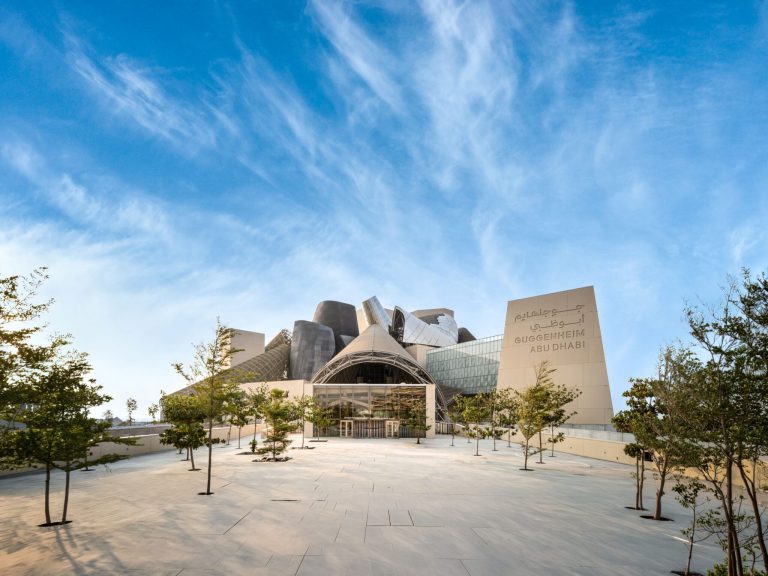
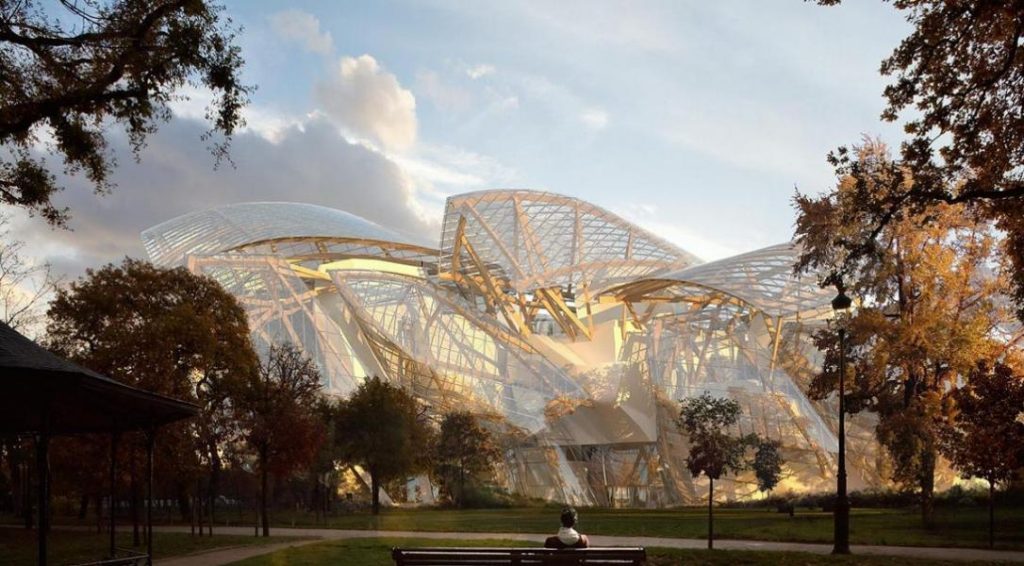
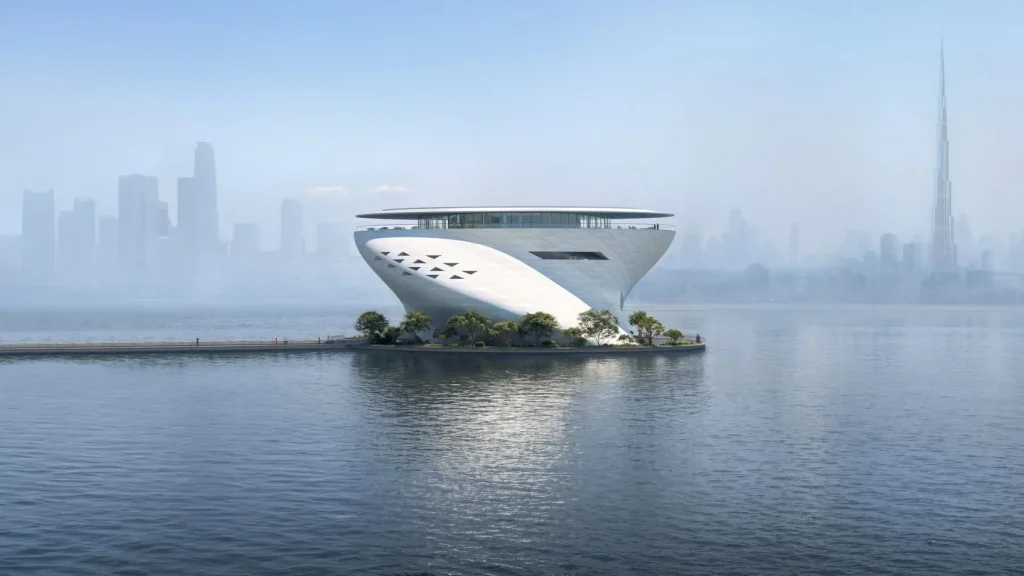
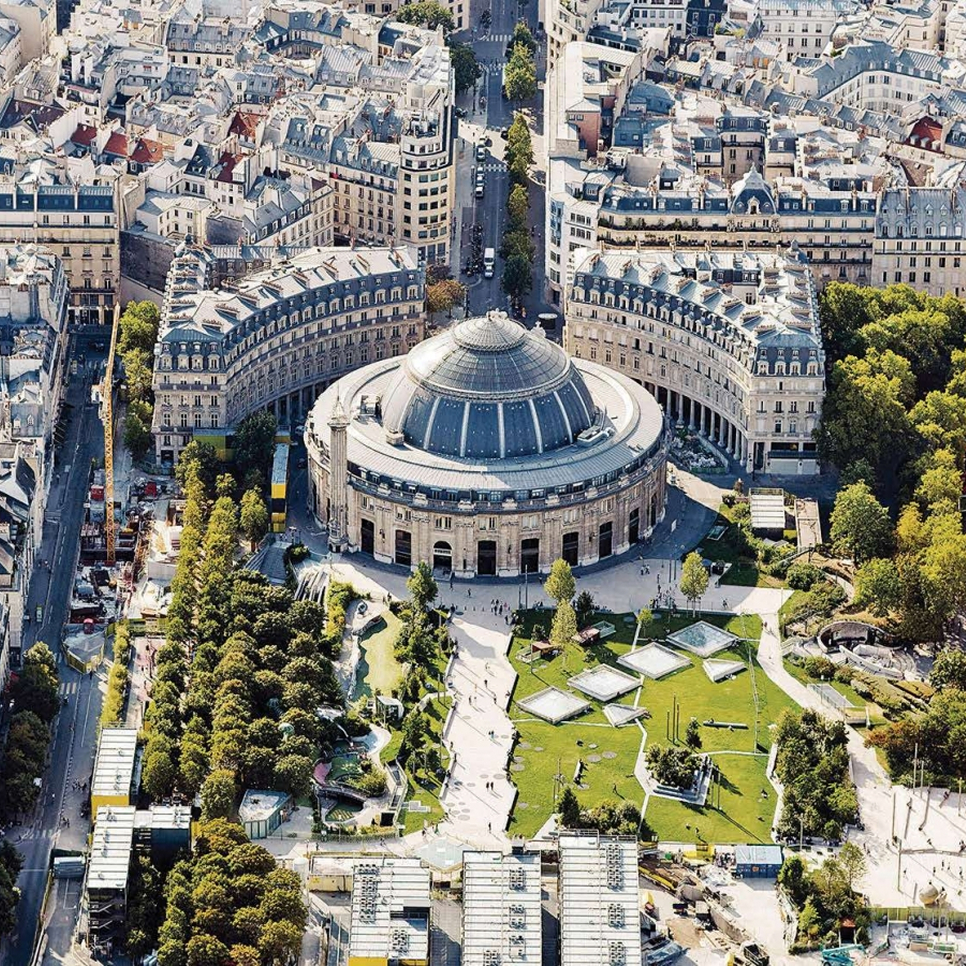
Pinault did this with the Bourse de Commerce in Paris. Arnault did the same with the Fondation Louis Vuitton, built on city parkland under a similar arrangement. In both cases, the building eventually goes back to the city, but not for decades — long enough for the founder to run it as their own institution for most of their lifetime. In the Gulf, the model is different: there’s no old building to inherit, so private money builds the museum from scratch. Dubai’s new Museum of Art is being built this way, funded by a private conglomerate rather than the government, on newly created land in Dubai Creek.
What’s Actually Being Traded
What these deals actually trade is simple once you see it… Pinault paid Paris €15 million upfront for his 50-year lease on the Bourse de Commerce, plus about €60,000 a year after that, and then spent somewhere between $150 million and $194 million restoring the building himself. Arnault’s deal with the city ran 55 years at €100,000 a year, on a project that started with a €100 million budget and, according to press estimates, ended up costing close to eight times that. In both cases, the city gets a landmark it didn’t have to pay for, decades from now.
The founder gets an operating museum immediately, full control over what’s shown inside it for most of a lifetime, and a foundation structure that lets them deduct much of what they spend while keeping legal ownership of the art. France’s own national audit body found that Arnault’s companies cut their tax bill by €518 million over just ten years through payments tied to the foundation – a number that shows how much of this “gift to the public” comes back to the giver.
The Exclusive Room
The building itself is public, but a museum like this is legally structured as a foundation, and a foundation runs on trustees, board seats, and a circle of patrons — that’s standard for institutions built this way, not something specific to any one collector. What’s documented is that these boards exist and that seats on them are limited and effectively controlled by the founder, since the founder set the foundation up in the first place. That alone tells you something: access to the people running the collection, not just the art itself, becomes something the founder can choose to grant or withhold. Public galleries are open to anyone with a ticket. A seat on the board, or a place among the small circle of major donors, is not — and that’s true of nonprofit foundations generally, museum-related or not.
Why Now?
This isn’t a new idea, but it’s escalated over the last twenty years. Pinault opened his first museum in Venice in the mid-2000s. Arnault answered a few years later with the Fondation Louis Vuitton, widely seen at the time as a direct response to his rival. Pinault answered back years after that with the Bourse de Commerce, built a short walk from the Louvre. Two luxury companies spent two decades building museums for each other. What’s changed recently is who’s copying the playbook. Gulf states have moved from simply buying art to building the infrastructure around it — new museums, new tax incentives for collectors, and major art fairs relocating to the region.
The Four Jobs, One Building
Underneath all of it, the same building is doing several jobs at once. It’s a tax instrument because the foundation structure lets the founder reduce what they owe while keeping control of the collection. It’s a brand platform because the museum becomes something people photograph and associate with the founder’s company. It’s a market tool because anything shown inside gains credibility that carries over into what it’s worth if it’s ever sold. And it’s a legacy vehicle, because a foundation can outlive its founder, keep a collection together instead of scattering it at auction, and stay in the family for generations.
The Real Product Is the Room
None of that fully explains why this works so well, though. The real engine underneath all four of those jobs is exclusivity itself. A museum, unlike a stock portfolio or a bank account, comes with a door — and the founder gets to decide who’s on which side of it. The public galleries are open to anyone with a ticket, but the board, the trustee seats, and the small circle of major donors are not, and the founder controls all three because the foundation is theirs.
That’s not speculation about any one collector’s social calendar — it’s just how a founder-controlled foundation works by design. And that closed layer is where the money and the status actually come from.
Money, because scarcity works the same way in art as it does anywhere else: association with a well-regarded, founder-controlled institution adds credibility, and credibility raises prices.
Status, because a limited board seat is worth more than an open ticket precisely because most people can’t get one — exclusivity is what makes it valuable to those who do.
Regular philanthropy hands the giver a wall plaque. A private museum hands them a foundation they run, a board they staff, and an institution that keeps generating both money and standing long after the ribbon-cutting.
That’s the real difference between writing a check to someone else’s museum and building your own.
Read later
Share