How to set up a business in Dubai: opportunities amid global challenges
 Read later
 Share
Share
Why Dubai remains an attractive place for business
Despite geopolitical tensions in the region, including the recent complications in relations with Iran, Dubai continues to maintain its status as one of the most attractive destinations for launching and developing a business. Economic stability, advanced infrastructure, and a favorable investment climate make the emirate a reliable harbor for entrepreneurs from around the world.

Dubai’s key advantage lies in its ability to remain an island of stability even in the face of external challenges. This resilience is supported by a diversified economy that is not solely dependent on the oil and gas sector, a strong financial system backed by international banks, a transparent legal framework that protects investors’ rights, and a strategic location at the crossroads of trade routes connecting Europe, Asia, and Africa.
In this article, we will explore how to set up a business in Dubai step by step and explain why now may be the right moment to bring your entrepreneurial ideas to life in this global metropolis.
Step 1: Сhoosing the right business structure
Before registering a company, it is essential to determine the appropriate legal structure for your business. Dubai offers several options, each with specific features related to licensing, taxation, and reporting requirements. The choice depends on the scale of the project, the geographical scope of operations, and long-term business goals.
The most common structures include Free Zone companies, Mainland companies, and branches of foreign companies. A Free Zone company allows 100% foreign ownership, offers tax benefits, and provides simplified regulatory procedures. A Mainland company allows businesses to operate throughout the UAE without restrictions, although it may require the participation of a local agent or sponsor. A branch of a foreign company is an ideal option for expanding an existing international business into the UAE market.
Step 2: Obtaining a business license
To operate legally in Dubai, a business must obtain the appropriate license. The type of license depends on the nature of the activity: a commercial license is required for trading activities, a professional license for service providers, an industrial license for manufacturing, and a tourism license for businesses operating in the hospitality sector.
The application process is standardized and can be completed online through the Dubai Department of Economic Development (DED) portal or through the administrative authority of a specific free zone. Processing times typically range from two weeks to two months, depending on the type of activity.
Step 3: Company registration and opening a bank account
Once the legal structure and license type have been selected, the official company registration process begins. This stage includes reserving a trade name with the DED, preparing founding documents such as the memorandum and articles of association, obtaining preliminary approval from regulatory authorities, renting office space (a physical office may be required for mainland companies), and arranging residency visas for founders and employees.
At the same time, entrepreneurs can open a corporate bank account. Major banks in Dubai, such as Emirates NBD and ADCB, offer simplified procedures for new companies, including online applications and consultations on suitable banking packages.
Step 4: Hiring staff and complying with labor regulations
Dubai attracts highly qualified professionals from around the world, making it easier for companies to recruit talent. However, when hiring employees, businesses must consider several key regulatory requirements.
Employment contracts must typically be prepared in both Arabic and English. Companies must comply with rules regarding residency visas for foreign employees, working hours and leave policies established under UAE labor law, and provide social protections and health insurance for staff.
For startups in particular, outsourcing HR services can be a practical solution. Specialized HR agencies can handle documentation, payroll management, and communication with government authorities, allowing entrepreneurs to focus on business development.
Advantages of starting a business in Dubai amid geopolitical uncertainty
Even amid tensions involving Iran, Dubai demonstrates resilience due to several important factors.
First, the UAE’s neutral foreign policy allows the country to support diplomatic solutions while maintaining trade relations with multiple global partners. Second, a well-developed civil defense system – including investment in security technologies and coordinated emergency services – helps minimize risks for businesses.

Third, economic diversification – particularly the growth of sectors such as tourism, logistics, information technology, and financial services – reduces dependence on regional fluctuations. Fourth, the government actively supports entrepreneurship through subsidy programs, tax incentives, and simplified licensing procedures that encourage investment.
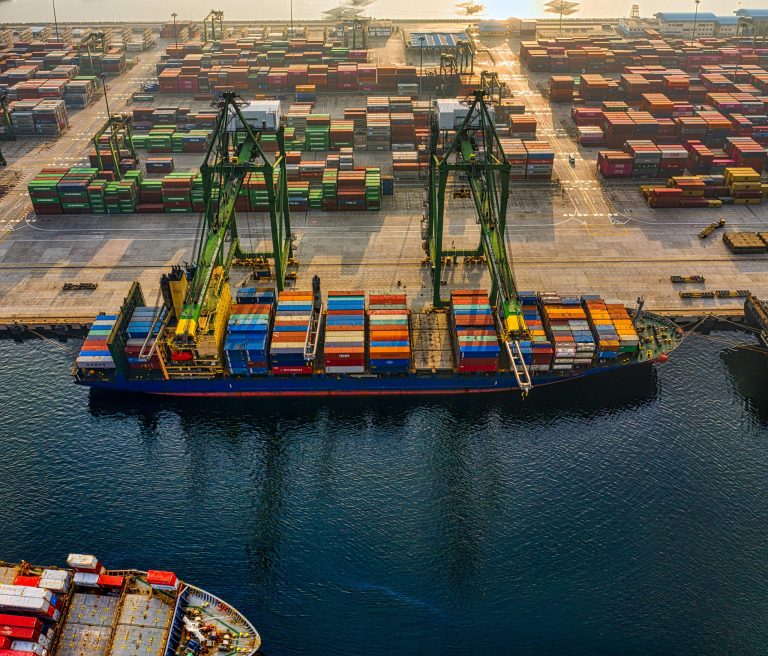
Fifth, a relatively favorable tax environment makes business models more profitable. The UAE historically maintained very low corporate taxation (with corporate tax introduced only recently for certain large companies) and a modest 5% value-added tax (VAT).In addition, Dubai remains one of the region’s most important logistics hubs. Jebel Ali Port, international airports, and a modern highway network ensure efficient access to markets across the Middle East, Africa, and South Asia.
How to Set Up a Business in Dubai: Practical Tips
To accelerate the process of launching a company in Dubai, entrepreneurs can follow several practical recommendations.
First, explore startup support programs such as Dubai Future Accelerators or Hub71, which help innovative companies access mentorship and funding opportunities. Second, consider working with business consultants who have experience operating in the UAE, as they can help avoid common registration mistakes.
Participating in industry exhibitions and networking events – such as GITEX or Arab Health – can also help entrepreneurs find partners and investors. Free economic zones are another attractive option, as they often offer ready-to-use office spaces, visa support, and tax advantages.Finally, it is important to stay informed about regulatory updates through official resources such as the Dubai Department of Economic Development and the UAE Ministry of Economy.
Conclusion: Dubai as a platform for growth
Launching a business in Dubai today represents not only an opportunity but also a strategic advantage. The combination of stability, advanced infrastructure, and strong government support creates ideal conditions for entrepreneurs – even against the backdrop of regional tensions.
Transparent regulations, access to global markets, and a strong culture of innovation make the emirate one of the most promising launchpads for business in the world.
Whether establishing a startup or expanding an international company, entrepreneurs will find in Dubai a supportive environment that offers access to skilled talent, world-class logistics, investor-friendly policies, and strong institutional backing.Dubai continues to prove that even in an uncertain world, opportunities for growth exist. For those looking to transform an idea into a successful venture, learning how to set up a business in Dubai may be the first step toward building a global future.
Read later
Share