Chess as Art: the philosophy of Dubai’s Ferz Chess Club
 Read later
 Share
Share

The true golden age of chess came in the 20th century. Today, the game has become part of global culture, educational programs, and even esports. But what makes chess so captivating today? How is its perception changing?
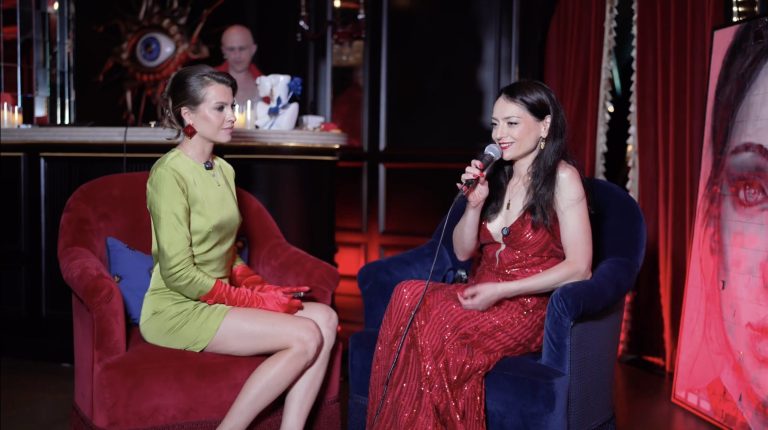
We attended one of the evenings at Ferz Club and spoke with its founder, Anastasia Bers, about chess as an art form, the atmosphere of intellectual salons, and the future of the club.
On Chess as an Art
Chess is usually referred to as a sport or an intellectual game. Yet you see it as an art. In what way does this artistry reveal itself to you?
For me, chess is not only a sport but also an art. Every game resembles a film: two charismatic characters sit down at the board, and a story begins—full of drama, style, and emotion. In that moment, the game itself becomes art, and the chessboard turns into the stage of a real movie.
Would you say that chess has its own aesthetics, which even someone far from professional play can feel?
Yes, chess absolutely has its own aesthetics—subtle, profound, sometimes invisible at first glance. We create it in every detail, because our philosophy is: “the devil is in the details.” For us, chess deserves no less aesthetics than theater, painting, or music. The chess world sometimes forgets about this—and we want to change it. We want to create a revolution in chess: to bring back beauty, style, and inspiration.
If you were to compare a chess game to another art form, what would it be—a poem, a musical composition?
Chess is an endless battle of two minds. The spectrum of emotions one experiences during a game is comparable to what a poet feels when creating a poem, or a composer writing music: tension, intrigue, inspiration, struggle, and finally, catharsis. Many see chess only as sport or intellectual discipline. For us, it is the art of logic. And logic, too, can be creative.
On the atmosphere of the club and its evenings
At your events there is music, poetry, and even art for sale. How does all this connect with chess?
The idea came before the club itself. Together with Alex Mubert, we hosted immersive evenings with music, poetry, and art, creating a special space for ourselves and our guests. When chess entered this space, the puzzle was complete: logic and creativity united in yin and yang. This is our lifestyle—we love to create and combine what at first seems impossible. This is how FERZ was born—the first club in the world to unite chess and art.
What kind of atmosphere do you try to create for your guests at Ferz?
My goal is to create spaces where, once the doors close, people feel like they’ve entered another dimension. I call it “real-time cinema”—a stage where everyone can live their special moment and play their best role. Ferz is a cultural club of a new format, where chess becomes part of art, atmosphere, and personal experience.
Would you say your evenings are reminiscent of the intellectual salons of the 19th century?
In a way, yes—we reimagine the spirit of 19th-century salons but in a modern context. The inspiration lies in the idea of people gathering not just to pass time, but to exchange thoughts, to be inspired, to feel the atmosphere. Unlike in the past, ours is not about elitism—it’s about immersion through art, poetry, music, style, and of course, chess.


On the community around Ferz
Who usually becomes part of your club?
Our guests are very diverse in professions, age, and experience. Among them are businesspeople, artists, entrepreneurs, investors, bloggers, and many others.
What unites them is taste, style, and a desire for new impressions. They value not only intellectual challenges but also atmosphere, art, and aesthetics. They are drawn not just to the game, but to a new experience and new connections.
Can we say that Ferz is forming an intellectual community where not only sport but also aesthetics matter?
Yes, Ferz is not just about chess. Around the club, a community is forming of people who care about ideas, aesthetics, taste, style, and substance. Chess is only one form of dialogue here, a reason to meet and exchange energy.
What conversations usually arise at the chessboard—about strategy, or about life and art?
As I’ve said, in our club you cannot separate intellect from art—they exist like yin and yang. Conversations range from strategy and psychology to music, cinema, and life. It’s a living space that unites people from all walks of life.
To what extent does chess help create connections between people who might never meet otherwise?
First of all, chess brings together people from different cultures, professions, and backgrounds. It’s a bridge into another person’s world. It’s an intellectual challenge where a mental bond is gradually formed. I especially enjoy seeing people make new friends, establish business connections, and sometimes—even fall in love.
On the club culture and exclusivity
There’s a trend today for private membership clubs. Do you see Ferz as part of this tradition?
We prefer to set trends rather than follow them. For us, the format of membership is a tool, but not an end in itself.
Do you intend to develop Ferz as a private community where membership gives access not only to chess but to a certain cultural and social circle?
My goal is to grow Ferz into an international luxury brand. Like established luxury houses, we will have a high degree of exclusivity and a unique atmosphere, but at the same time the club will remain open to those willing to immerse themselves in our world. We plan to introduce membership cards and organize additional gatherings, adding even more value for participants and strengthening the sense of a cultural and intellectual community.
What matters more to you—expanding the audience or preserving the intimate atmosphere?
Both are equally important. We want to maintain exclusivity and unique experiences while also attracting new admirers of chess and art.
What is the value of exclusivity for your members?
For us, exclusivity is about intention. Tickets become a kind of filter, separating casual visitors from those who truly share our philosophy. That’s where the value lies.
On the philosophy of the club and its future
Can we say that chess at Ferz becomes a tool for shaping cultural identity within the community?
Yes, absolutely! We set style and trends, and the spirit of Ferz lives in every detail. This helps create a unique atmosphere that unites people and inspires them to be part of our community—a place where chess becomes art and a way of life.
Do you see parallels with the bohemian salons of past centuries, where poets and philosophers would meet?
Absolutely. We see strong parallels with those bohemian circles filled with live discussions and deep reflections on existence, art, and philosophy. That very atmosphere is recreated at Ferz.
Today your program goes far beyond chess. Is this still a club, or already a cultural house of a new format?
Our ambition is to become the Dior of the chess world. We are creating not just a club, but a philosophy and a lifestyle—developing product lines and realizing many ideas. We are moving toward becoming an international luxury brand, not just a traditional chess club.
Upcoming Ferz Chess Club event:
May 23, 7:00 PM – 2:00 AM, at Maison Dali, Opus, Dubai. Dress Code: Surreal / Chic.
Special guest: Alexandra Kosteniuk, former Women’s World Chess Champion.
Program:
— Simultaneous chess exhibition by Alexandra
— Individual games with Alexandra for VIP guests
— Speakeasy chess games
— Live DJ set
— Art exhibition featuring international artists
We invite our readers to witness how the game transforms into an experience — and to be part of the community shaping it. Use the promo code “Atelier” and get 15% off — step into the world of Chess today.
Read later
Share