On Greek tradition and the kitchen of Avli by tashas, a standout restaurant in Dubai
 Read later
 Share
Share
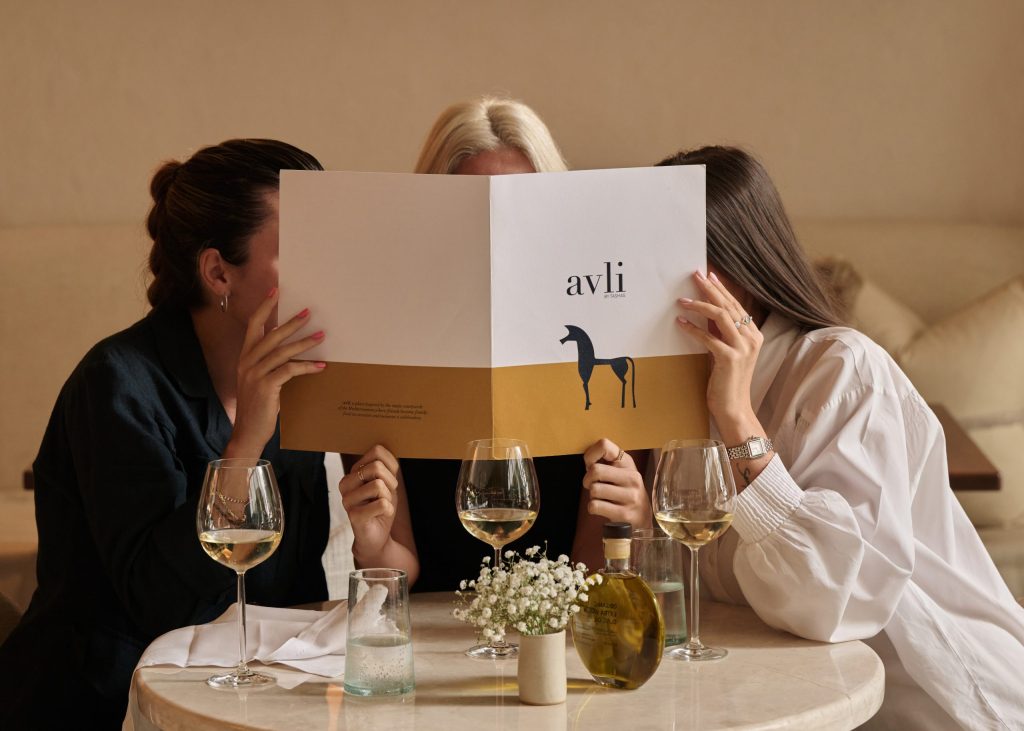
In Greek culture, the courtyard — the avli — has long been a place where food, conversation, and memory meet. It is where recipes travel from one generation to the next, where meals stretch late into the evening, and where hospitality becomes part of everyday life.
At the Greek restaurant Avli by tashas in Dubai, the spirit of the Mediterranean courtyard is translated into a contemporary dining experience that remains deeply rooted in tradition. The restaurant draws on the culinary heritage of Greece — its ingredients, rituals, and stories — while presenting them with a refined, modern sensibility.
The kitchen at Avli by tashas is led by Head Chef Vlassia Anagnostou. Born and raised in Volos, Greece, she draws inspiration from family traditions and the culinary heritage she grew up with. She has more than a decade of experience in the UAE’s restaurant industry and has worked across Greek, Mediterranean, Italian, and French cuisines, shaping a style that respects traditional recipes while presenting them in a contemporary setting.
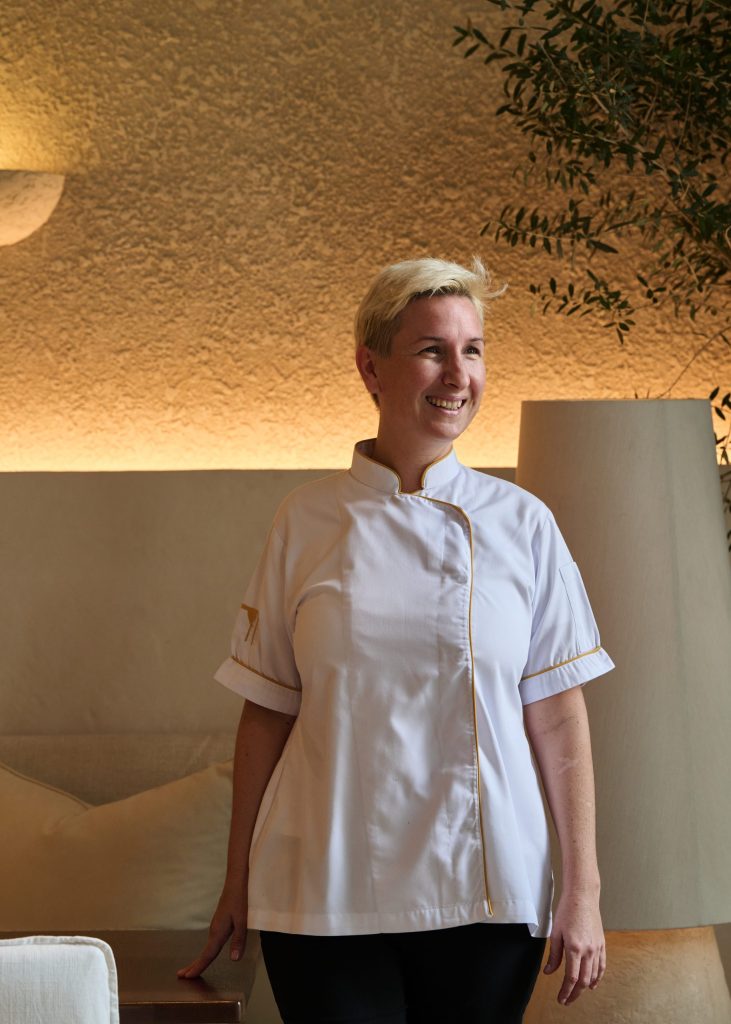
At Avli, this balance between memory and interpretation defines the philosophy of the restaurant. We spoke with Vlassia Anagnostou, the mind behind Avli’s menu, about the role of tradition in contemporary Greek cooking, the ingredients that form the backbone of Mediterranean cuisine, and how personal memories continue to shape the dishes served today.
Avli draws inspiration from Athens, a city shaped by art, philosophy, and cultural depth. How do you translate that broader cultural heritage into the language of food?
Avli translates Athenian culture into food by combining authentic, high-quality Greek ingredients with a contemporary, artistic approach, creating a “soulful” dining experience. The space itself is designed to evoke a rustic yet sophisticated Greek aesthetic, enhancing the cultural experience beyond just the food.
How would you describe your personal approach to Greek cuisine today: preservation of tradition or contemporary interpretation?
Both; one cannot exist without the other. Tradition is the engine that moves the culinary direction into contemporary creations. I respect, admire & preserve the power of tradition. My cooking inspiration begins from the roots & finishes its journey in a modern way visually, but flavour will always transform you to the past where everything has started.
What guiding principles shape your menu when creating dishes that feel authentic in origin yet relevant to an international audience?
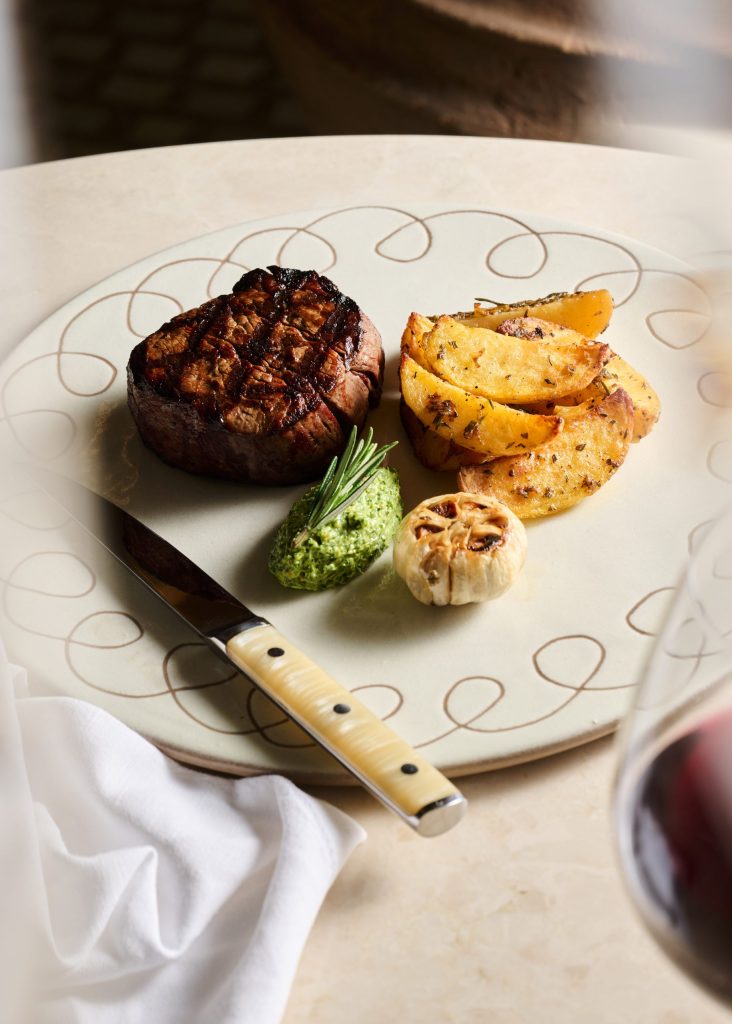
Creating a menu that balances authentic origins with international audiences requires a strategic approach. The guiding principles shaping such a menu include prioritizing core, high-quality ingredients, thoughtfully adjusting flavours for accessibility, and contemporary presentation techniques. Focusing always on the balance between tradition and innovation, seasonal local produce & storytelling.
Many recipes stem from home-style, family cooking. How do you adapt such intimate, domestic dishes to a refined restaurant setting while preserving their character?
Adapting home-style dishes for fine dining involves elevating ingredients, refining techniques, and updating presentation while retaining nostalgic flavours. Honouring the “soul” of the dish by sourcing superior produce, improving texture through precise cooking methods, and balancing flavours.
Are there particular ingredients you consider indispensable, elements without which the true spirit of Mediterranean cooking simply cannot be achieved?
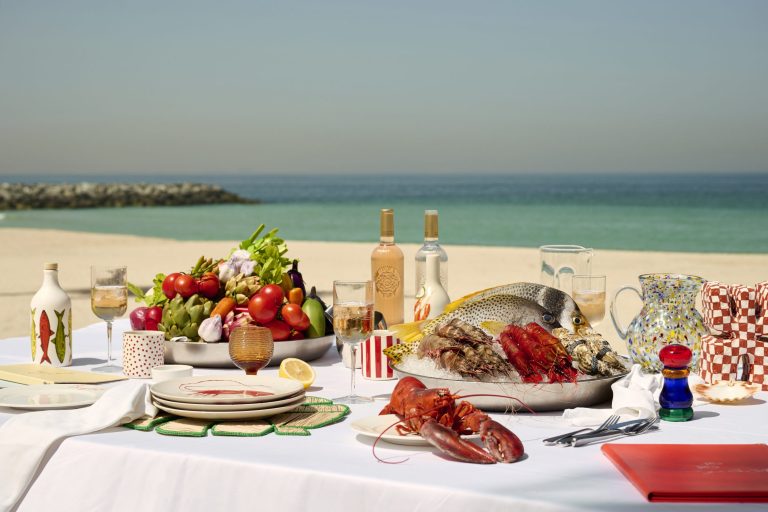
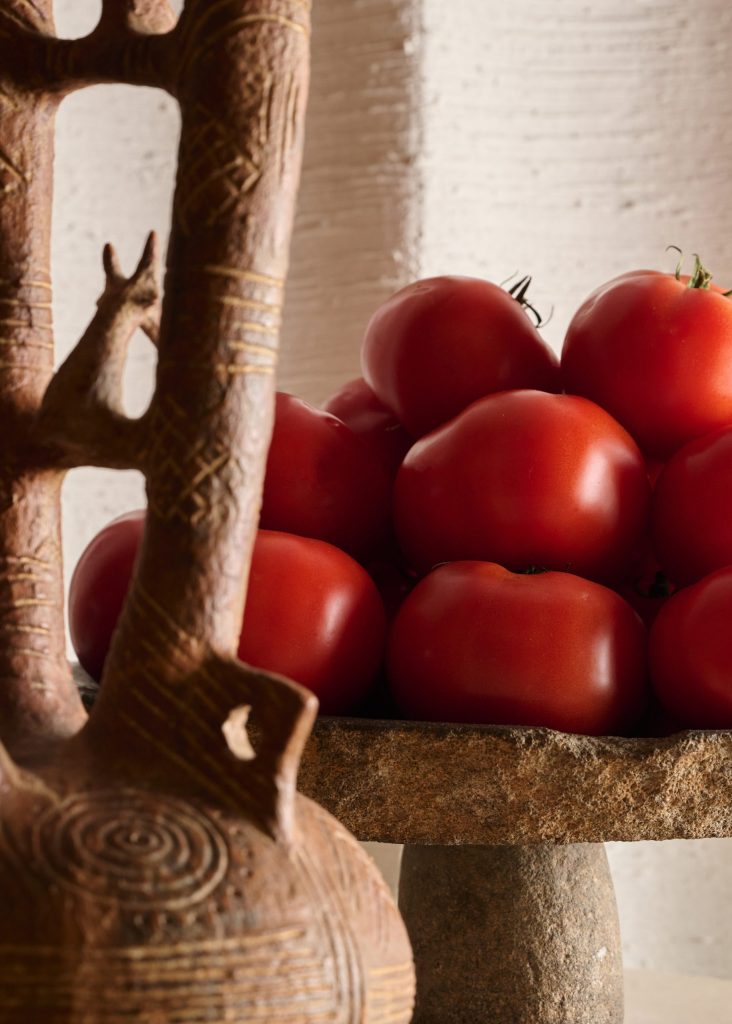
The true essence of Mediterranean cooking relies on a philosophy of using local, seasonal ingredients, simple preparation techniques, and a communal eating style where food is shared at the table & memories are crafted. The core, indispensable elements of the Mediterranean are the olive, wheat, grapes, various herbs, citrus & a balanced diet between protein, vegetables & legumes. Nothing can be replaced nor ignored, as they are the pillars of Greek cuisine.
Mediterranean food often celebrates restraint and product quality. How do you determine when a dish is complete, without overcomplicating it with technique?
Celebrating restraint and product quality without overcomplicating it with technique relies on honouring natural, seasonal ingredients rather than trying to mask or heavily manipulate them. The dish is complete when it achieves a balance of flavours and textures, using minimal, intentional steps like grilling, roasting, or raw preparation to highlight, not hide, the ingredient’s quality.
When developing a new dish, what typically comes first: the ingredient, a memory, a texture, or a narrative?
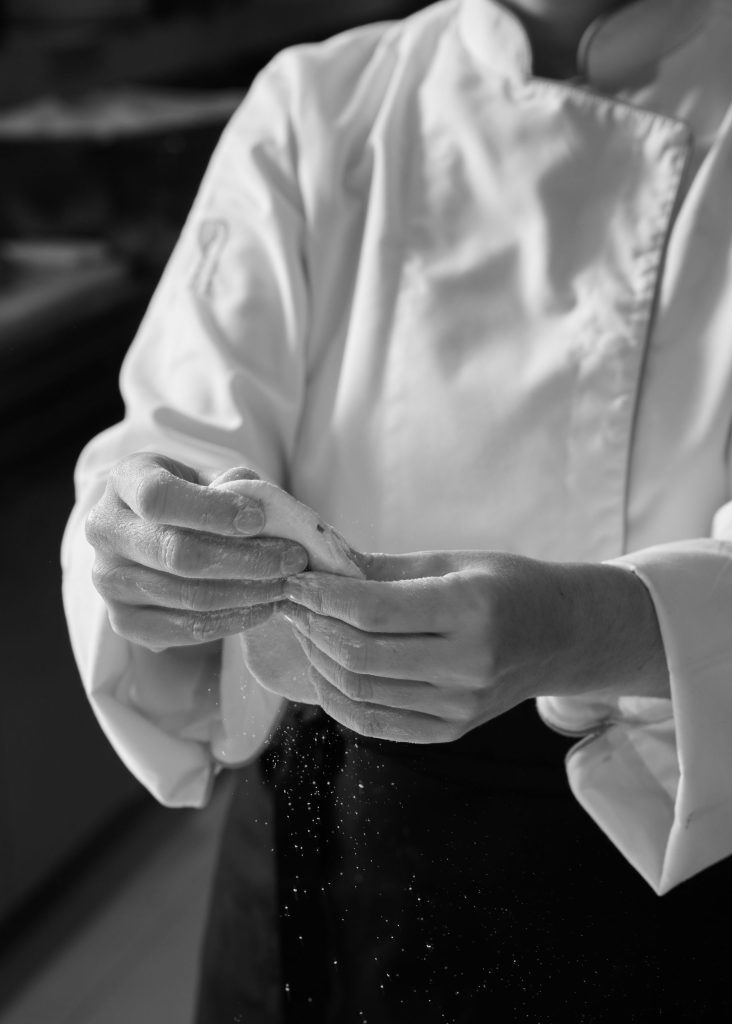
A memory. It might be a place, a person or simply a recipe that I used to cook alongside my grandmother, my mentor. I have an urge to pass the feeling of the moment I lived in a dish, which will transform my guests to a place elsewhere & will then become their own memory to cherish. Besides, the most memorable meals are those where stories are hidden behind them.
The architecture and interiors of Avli are highly considered. Does the physical space influence the way you think about presentation, pacing, or the overall dining experience?
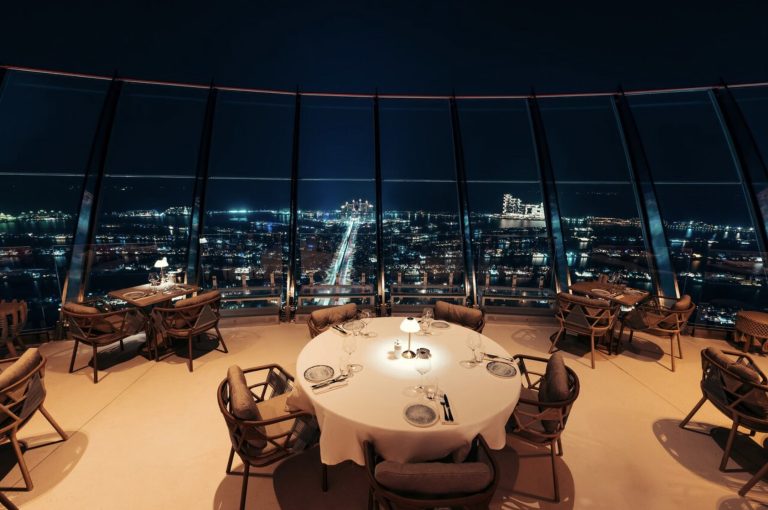
Chefs, we are artists. Inspiration lies everywhere around us: from a light that might pass through the dining area, a piece of art being displayed in the restaurant and of course the architecture — the physical space. The presentation should be harmoniously aligned with the interiors, complementing each other & elevating the experience. You fall in love with a restaurant from the ambiance, the interior, the atmosphere and eventually you hold it close to your heart when the dish is the canvas of a spectacular inspired meal.

Is there one dish on the current menu that you feel best captures the essence of the restaurant? What makes it representative?
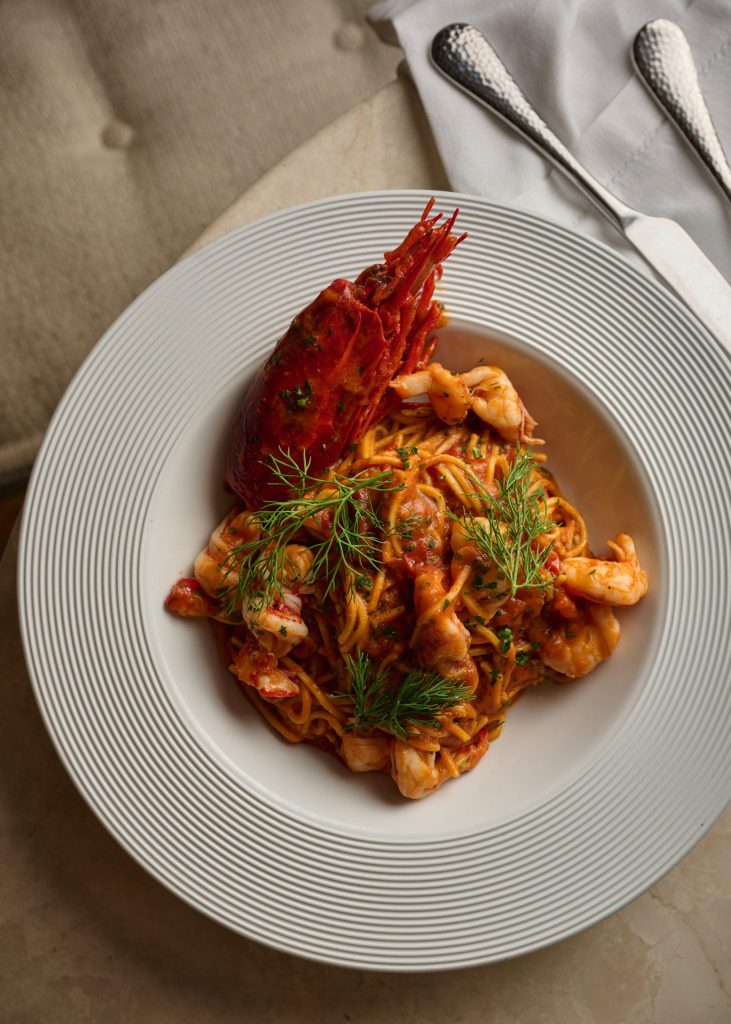
Lamb Youvetsi, a comforting and nostalgic dish; a gem of Greek cuisine & tradition. A complex & rich flavour, yet a simplicity on the plate. A true representative of everything that Avli stands for; sophistication & comfort. Authenticity in its purest form.
Today’s well-travelled guests tend to value provenance and sourcing as much as flavour. How do you approach relationships with producers and suppliers?
It is essential to develop personal relationships and connections with suppliers & local producers. By treating suppliers as partners, we co-create value through regular communication and shared goals.
From your perspective, how are the expectations of sophisticated diners evolving, what defines true luxury in dining today?
Sophisticated dining has shifted from formality to approachable, emotion-driven experiences. Luxury is defined by personalized & memorable service, storytelling, and sustainable ingredient sourcing. Modern diners seek functional luxury: a balance of high-end quality that feels thoughtful, embracing nostalgic comfort food elevated through master craftsmanship.
Beyond flavour, how do you interpret hospitality from the kitchen’s point of view? How can a chef shape the emotional atmosphere of a table?
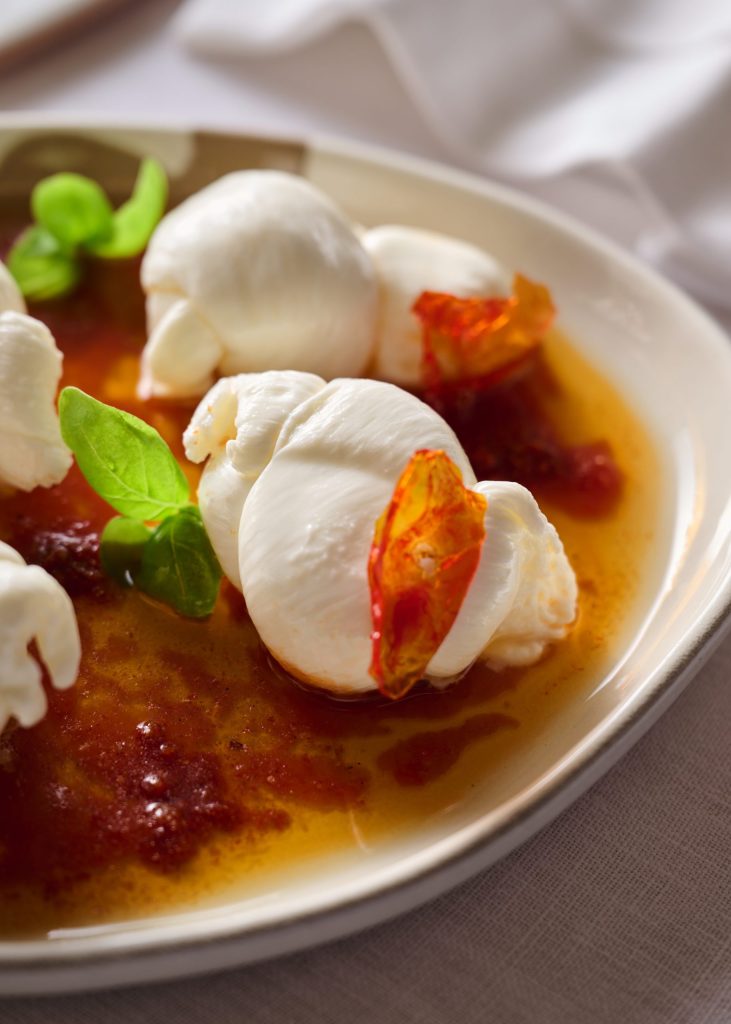
By curating a guest’s emotional journey, transforming a transactional meal into a memorable, nourishing experience. It is about fostering a sense of belonging and care. Storytelling, personal connection, and atmosphere enhancement ensure that while flavour wins applause, hospitality ensures guests return.
On a personal level, where do you continue to find inspiration: travel, markets, artisans, architecture, or other creative disciplines outside the kitchen?
I love to travel & research; get to know ingredients that sometimes I have never heard of. Surely, checking upon new restaurants & concepts keeps me up to pace, especially with what the market needs or where it is heading. But if I am honest, my greatest inspiration & the first attempt of any recipe begins from my home. I don’t seek just to create a dish that will look stunning and taste delicious. My vision is to create a recipe that speaks directly to everyone’s heart, to awaken all the senses & harbour a feeling of warmth & comfort. Then the transformation takes place & the result is magnificent.
Listening to the chef speak about food, it becomes clear that the philosophy behind Avli is rooted in something deeper than technique or presentation. For Vlassia Anagnostou, Greek cuisine begins with memory — the kind formed around family tables, shared meals, and recipes passed quietly from one generation to the next. Simplicity, respect for ingredients, and a sense of continuity with the past remain at the heart of the kitchen.
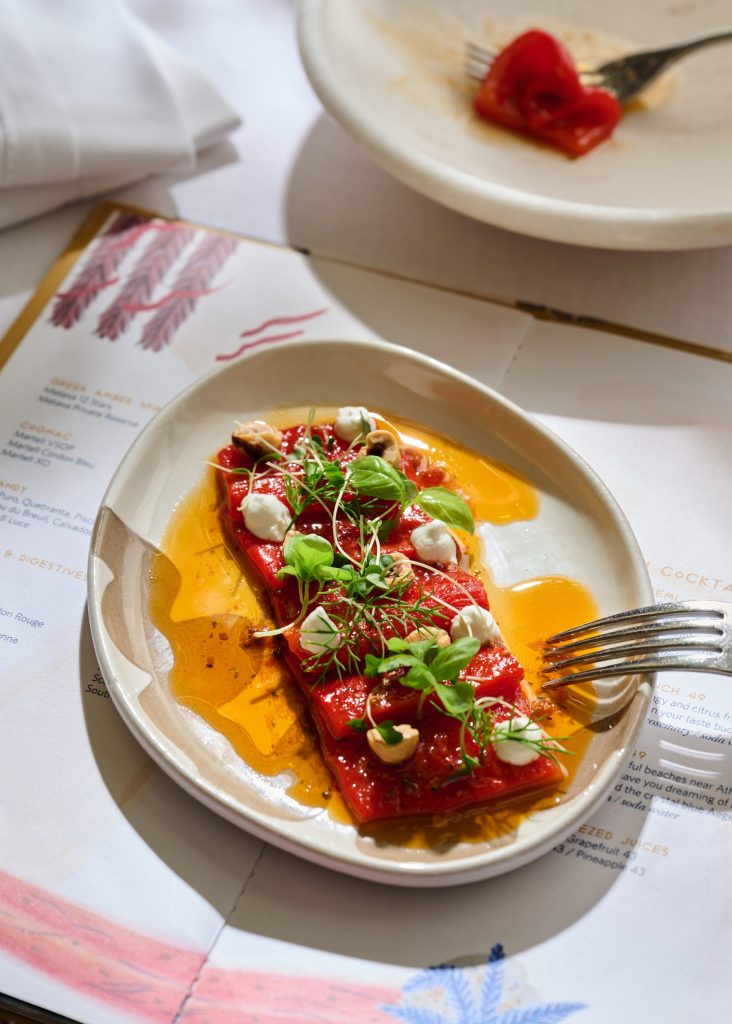
At Avli by tashas, that sensibility finds its way onto the plate. The dishes feel familiar yet thoughtfully composed, honouring traditional flavours while presenting them with a contemporary clarity. Ultimately, the aim is to create a table where food invites conversation, memories resurface, and guests leave with the quiet warmth that defines Mediterranean hospitality.
Photography courtesy of Avli by tashas.
Read later
Share