Shifting сentres of Global Art: from Europe to Asia and the GCC

In 2021, Dubai hosted the Expo (Exposition universelle), one of the world’s largest and most historically significant exhibitions. Known also as the birthplace of the Eiffel Tower, the Expo has, since 1851, brought nations and cultures together, shaping, to a large extent, the dominant model of global art culture.
But there is a catch. During most of its history, this global exhibition largely reflected the Western industrial and cultural system: of the first ten Expos, two took place in London and three in Paris, a trend that continued well into the 20th century.
Since 2005, however, this pattern has markedly changed: of the last five Expos, four have taken place in Asia, with one region in particular gaining a special position: the GCC. After Dubai Expo 2020 brought together a record number of 193 participating countries, another Gulf capital, Riyadh, is set to take up the challenge in 2030.
So, how are we to understand this geographical shift? Is it a sign of Europe losing cultural influence, or are we witnessing the emergence of a new multipolar cultural order? And what does this mean for art and its place in today’s world? Two major historical examples can shed light on these questions: the cultural continuity between the ancient Greek and Roman worlds, and the Islamic cultural inheritance of late antiquity.
Greek art: сonquering the сonqueror
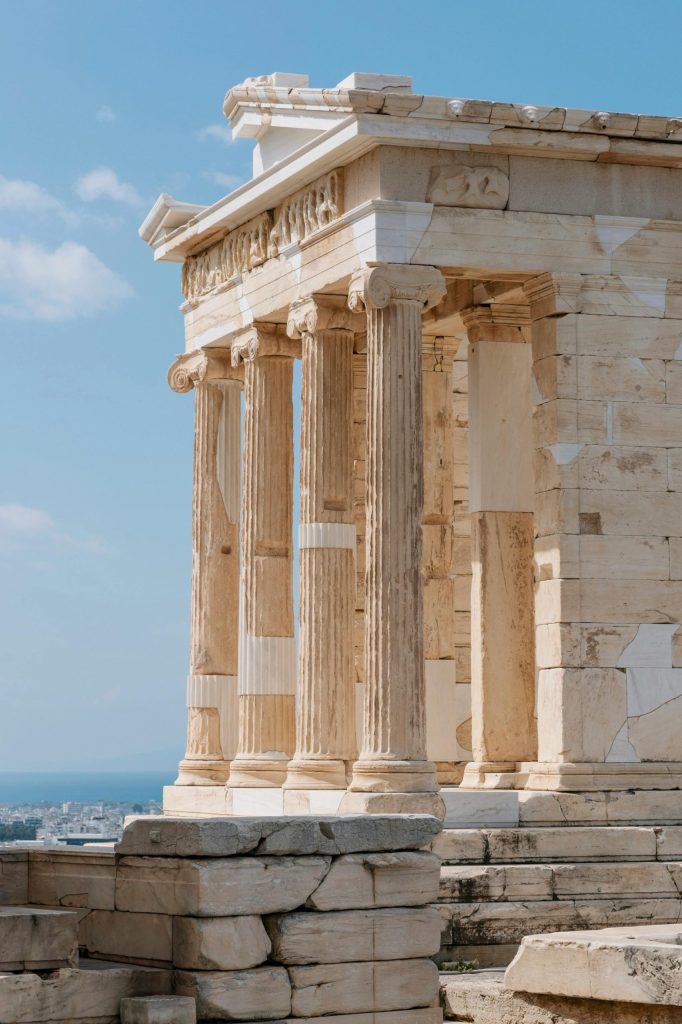
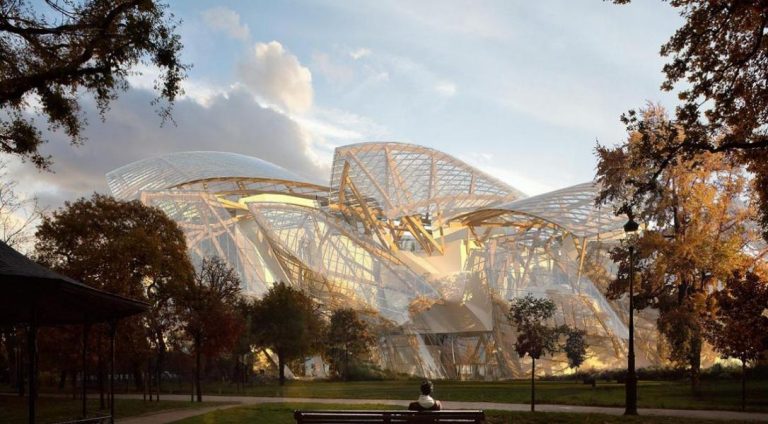
Photo: Roselène de Koning
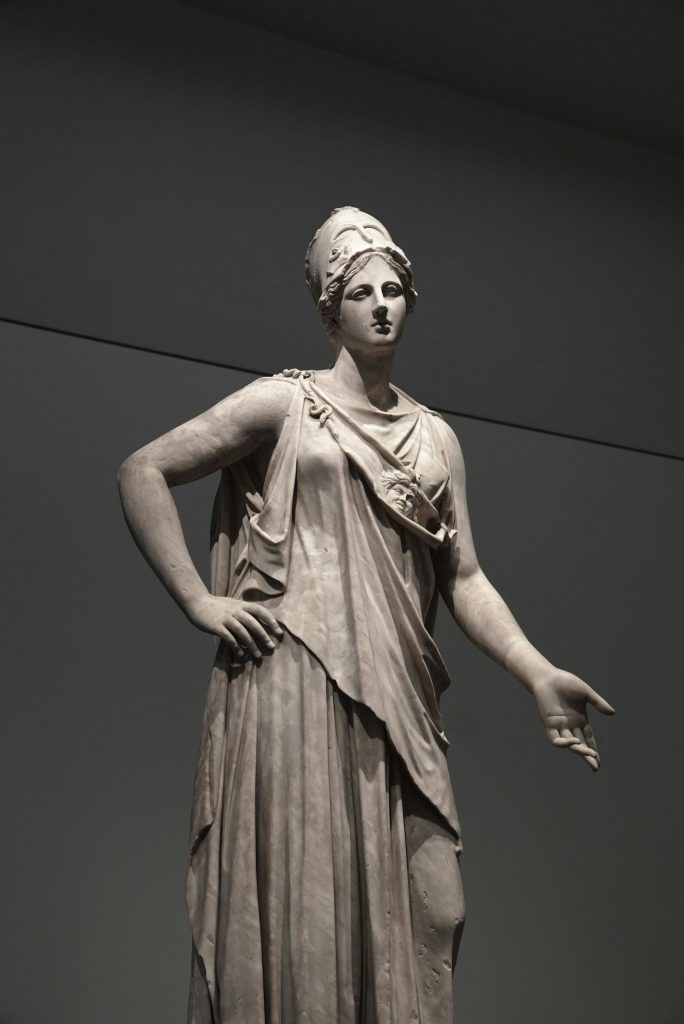
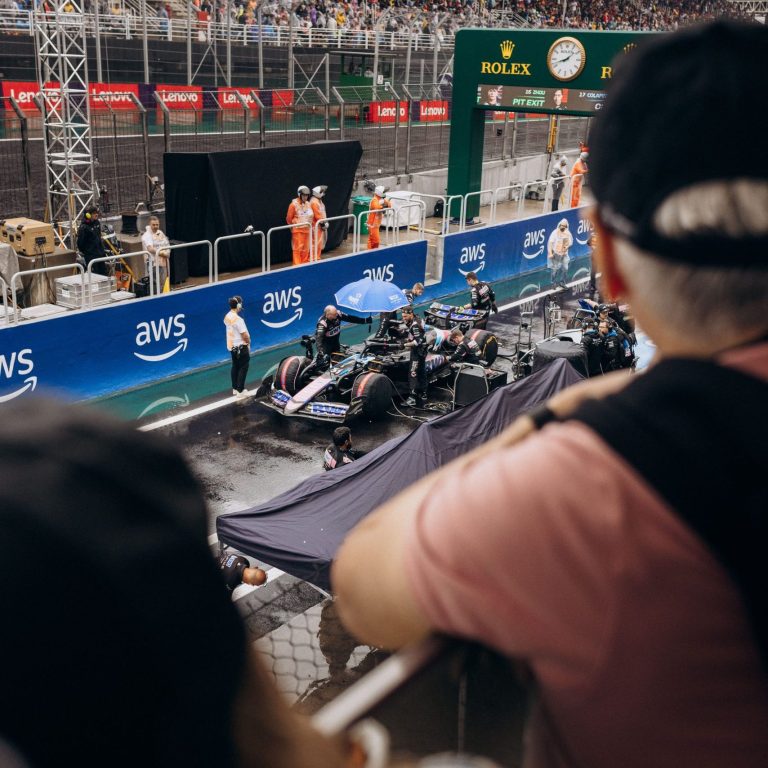
Photo: Alexander Afanasyev
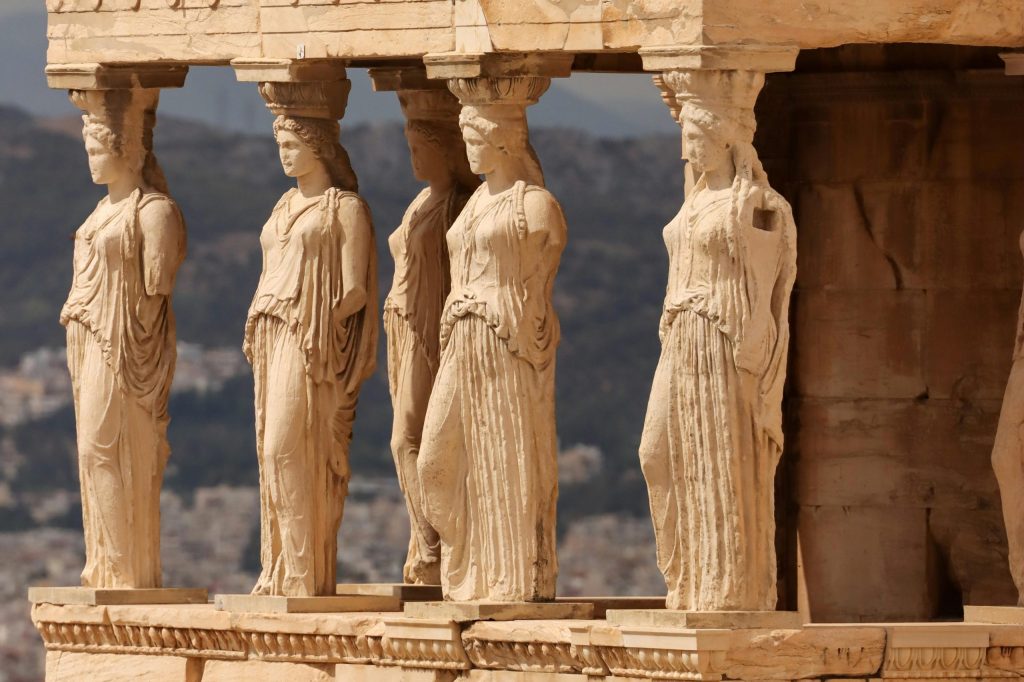
There is a well-known saying in the study of European antiquity: Rome may have conquered Greece militarily, but Greece conquered Rome culturally. In fact, this is a paraphrase of perhaps the most celebrated Roman poet, Horace, who once wrote that “Greece, once conquered, herself conquered the artless victor, and planted the banner of civilization in the farmlands of Rome” (Ep. II.i.156).
But the fall of the Greek city-states to Rome did not mark the decline of Greek civilization. Instead, the Roman conquests allowed Greek art and language to consolidate in regions such as Egypt and Syria, and to expand as far as the Maghreb and Britain.
More than that, Roman culture itself consciously adopted Greek artistic models: Roman elites collected Greek sculpture, decorated their villas with replicas of Greek works, and regarded the Greeks as masters of the arts. Roman architecture also adopted Greek formal elements, such as the Corinthian order, seen in majestic Roman monuments like the Pantheon. And one of the most successful Roman emperors, Hadrian, essentially made Athens his cultural capital, spending much of his time there and building major monuments such as the huge Temple of Olympian Zeus, whose ruins still stand at the center of the Greek capital.

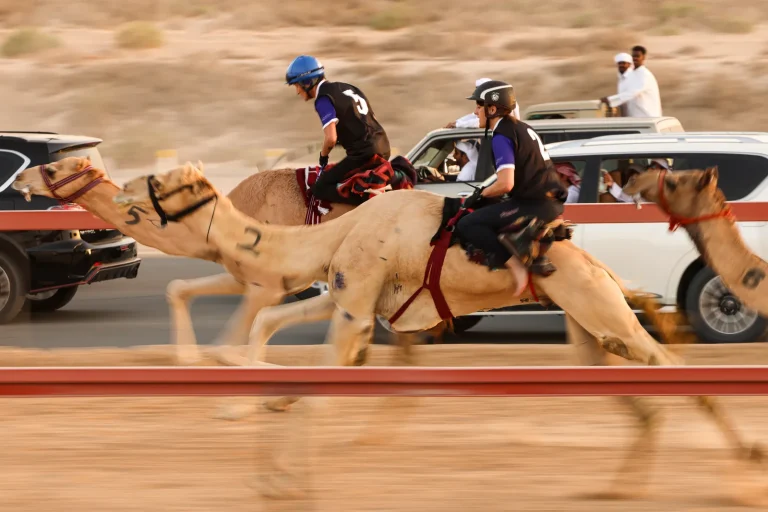
Photo: Esra Nurdoğan

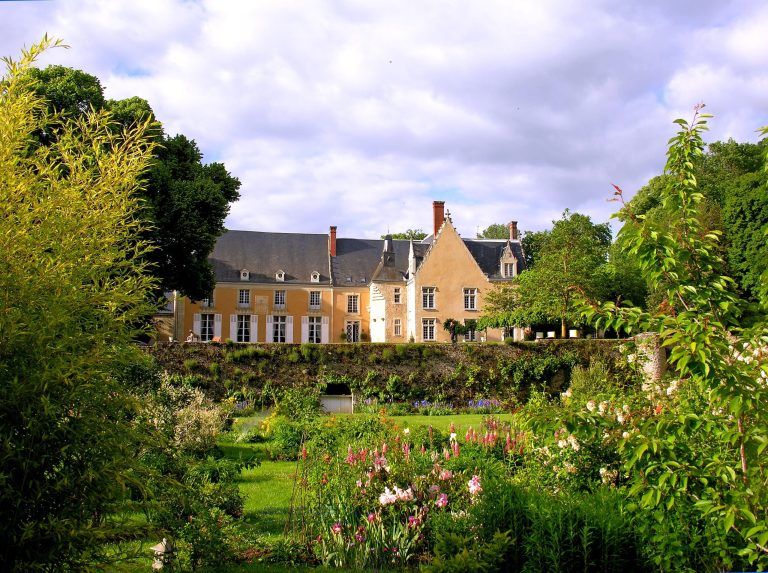
Photo: Anastasiya Badun

Islamic Art: transforming Inheritance
But, like everything, Rome declined too. This decline did not bring an immediate end to the ancient cultural legacy: the Byzantine Empire continued to preserve and develop many elements of Roman and Greek artistic traditions, like the monumental architecture of Hagia Sophia. But soon, a new civilizational center arose alongside it: Islam.
Islam gave rise to new artistic centers beyond the classical Mediterranean core. In cities such as Baghdad, Córdoba, and Cairo, artistic production developed along new lines, combining inherited elements of classical architecture with regional influences. The Dome of the Rock in Jerusalem, for instance, drew on Byzantine techniques of centralized space and monumental domes, but replaced the sculptural traditions of Greece and Rome with intricate calligraphy and geometric ornamentation. The Umayyad Mosque of Damascus similarly retained the basilica-like structure and even reused entire columns from a previous Roman building, but introduced new aesthetic principles that departed from the traditions that had dominated the region since Alexander the Great. This tendency reached its apogee in complexes such as the Alhambra, where architecture became a surface of abstract pattern, dominated by arabesque and geometric design.


So, rather than simply adjusting their artistic canon, as Rome did with Greek art, these Islamic centers redefined what they inherited, placing their own civilizational achievements on a par with, or even above, the earlier model.
Europe: a one-region global culture
Back to today, it is clear that we are experiencing a new shift in artistic centers from Europe towards Asia and the GCC. But which of the two cases can better explain it? Is European art more like the Greek case, with Asia as its Roman successor? Or does Europe’s current position more resemble the transformation of antiquity, with Asia forming a parallel example?
Europe indeed resembles ancient Greek culture in one striking way: both ancient Greeks and modern Europeans tended to view their civilizations as superior. Asia and the GCC also share an equally striking similarity with Islamic civilization: like the 7th-century Islam that rose at a time when older cultural centers were being reconfigured, Asia claims its position as another pole of art at a time when Europe’s central position appears less assured than before.
However, to fully understand the current cultural shift, we need to go beyond historical analogies. 19th- and 20th-century Europe achieved something unique in global history: it claimed a role as the world’s sole cultural center. However amazing and even inspiring that may be, it also came with a significant limitation. Unlike Rome, which replicated Greek art, or Islam, which used the structures of ancient buildings on which to construct its own, Europe only reluctantly integrated other artistic traditions into its own framework. There existed, of course, traditions such as Japonism and Primitivism, which celebrated the opportunity for intercultural communication and recontextualized other traditions in a sincere spirit of exchange. But they never became dominant. Instead, the practice that actually defined the European model of art culture was the displacement of artworks from their original environments and their display inside European universal museums, like the Louvre and the British Museum. In this model, the meaning and value of artworks did not reside solely in the objects themselves but became closely tied to their selection and integration within extensive — and implicitly competitive — national art collections.

Today, this art model is under scrutiny, and debates about the return of objects to countries such as Greece, Egypt, or India have become increasingly central to the politics of cultural heritage. This means that, to understand the role Asia plays in the current cultural shift, we need to look at how it interacts with this new discourse on what a 21st-century cultural model should look like.
An Asian global culture: abandoning or reshaping the old?
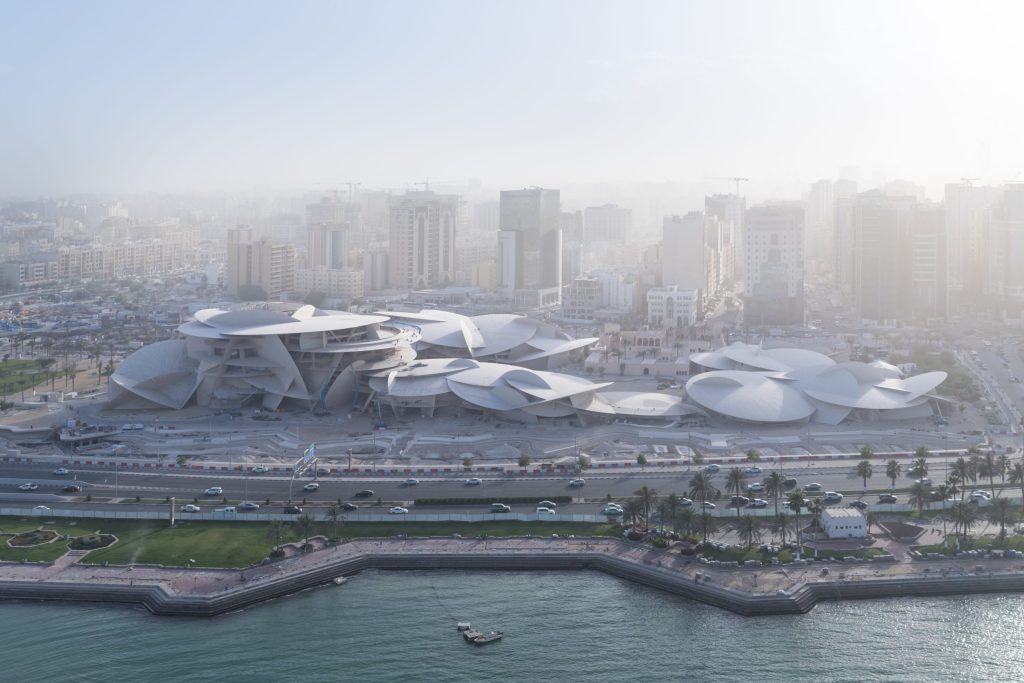
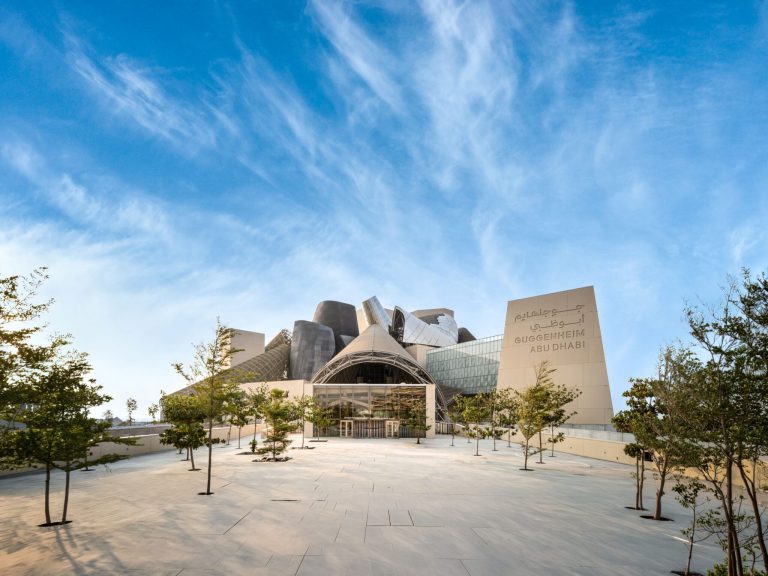
The broader Asian continent is witnessing multiple models of cultural emergence. Inside this constellation, the GCC offers a particularly concentrated example of this transition, actively engaging with and reshaping the existing framework of global art culture. Take the Louvre Abu Dhabi, the largest art museum in the Arabian Peninsula: while it draws on the name of one of the world’s most prestigious museums, it redefines what this name represents. Its exhibitions bring together regional works and globally recognized masterpieces within a framework based on partnership and exchange, rather than on the asymmetries historically associated with European collecting practices.


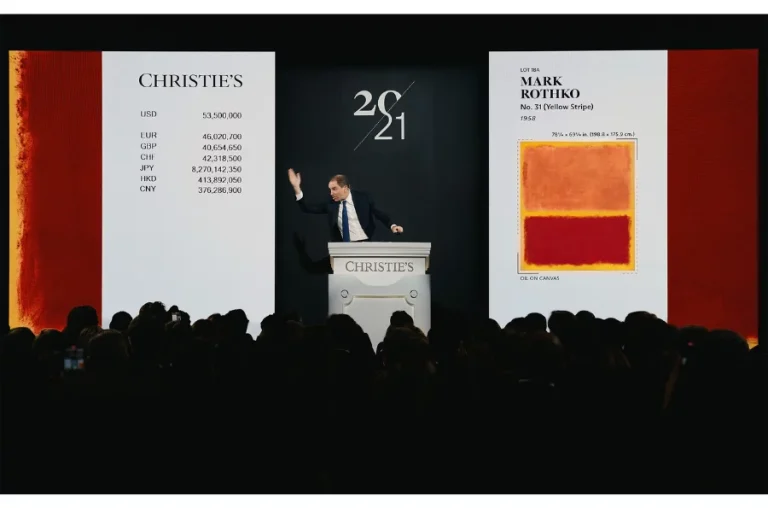
Similarly, initiatives such as Art Dubai and the broader strategy of Qatar Museums reflect sustained investment in building art markets that are both globally connected and locally grounded. Across the Gulf, large-scale museum construction, cultural diplomacy, and major art acquisitions signal a deliberate effort to position the region as a central node in the global cultural system.


This dynamic is perhaps best illustrated by one of the most striking exhibits of Expo 2020 in Dubai: a full-scale 3D-printed replica of Michelangelo’s David. Identical in form to the Renaissance original, the work embodies a layered gesture: it echoes the Roman practice of replicating Greek masterpieces, while also reflecting the Islamic cultural tradition of reinterpreting inherited forms through new techniques. In this case, the transformation lies not in the visible form, but in the technological process itself. The result is neither simple imitation nor complete rupture, but a rearticulation of artistic inheritance within a new cultural and technological framework.
In this way, the inheritance remains European, the reinterpretation takes place in the GCC, but the means of transformation is global, grounded in shared technological capability rather than in a single cultural tradition. Sceptics do note that this model remains state-directed and centralized in its own way. Yet even that represents a shift from the 19th-century European practice of extraction and universal museum display.

Negotiating the truly global
At the end of the 19th century, German archaeologists transported the Pergamon Altar, a 2,000-year-old Hellenistic temple, from Anatolia to Berlin, in a striking expression of cultural centralization.
More than a century later, the opening of the Humboldt Forum, an anthropological museum in the same city, attempts a different approach: artifacts from former colonies in Africa and the Pacific are no longer presented as symbols of dominance, but as objects of critical reflection, capable of acting as artistic objects in their own right. Or at least that’s the intention. Visitors still have to come to terms with the fact that the artworks remain in the center of Berlin, wondering whether all the niceties on the object labels are just another symbol of colonial arrogance.
But even this effort to reconfigure global art and give source communities a voice of their own aligns with the model the GCC is promoting. It is an attempt to use state authority in a decentralized way, treating art not as a tool of dominance but as a form of soft power. In this model, cultural authority stems precisely from its refusal to reside in and promote a single center. Instead, it capitalizes on the ability of a state to act as a cultural beacon, sharing its light with other centers. The promise of this development is the gradual emergence of a more plural global cultural landscape, one in which global art is defined through the accumulated experience of centuries across different regions of the world. It is a renegotiation in which traditional European centers — Paris, London, New York — have come to the table with Dubai, Doha, and Shanghai to agree on what art culture in the twenty-first century means.
Yet a deeper question remains. While debates tend to revolve around where artifacts are exhibited — or, as critics would say, where they are imprisoned — the larger issue concerns who those artifacts are for. In a turbulent world where art is called upon to play a role of pacification and bridge-building, a truly transformed global art culture may need to move beyond the privatization and monetization models that emerged over the past two centuries.
Public museums, affordable exhibitions, and the encouragement of art from below through scholarships and open art spaces will open paths for new artistic currents and innovative ways of understanding art and the world. This democratization of art can not only change our relation to it, but also the way art is defined. It can also show what 21st-century art is outside of geopolitical interests and egotistical aspirations.
The geographical decentering of art we are experiencing is a significant shift, but it risks merely relocating the same institutional hierarchies of the past. It needs to be accompanied by a more fundamental rethinking of access, ownership, and the very definition of art itself.