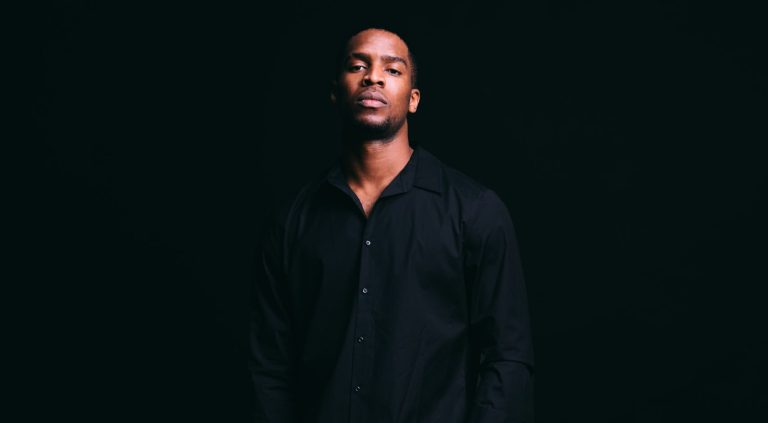
Chess GM Ian Nepomniachtchi in an exclusive conversation at FERZ Chess Club in Dubai
 Read later
 Share
Share
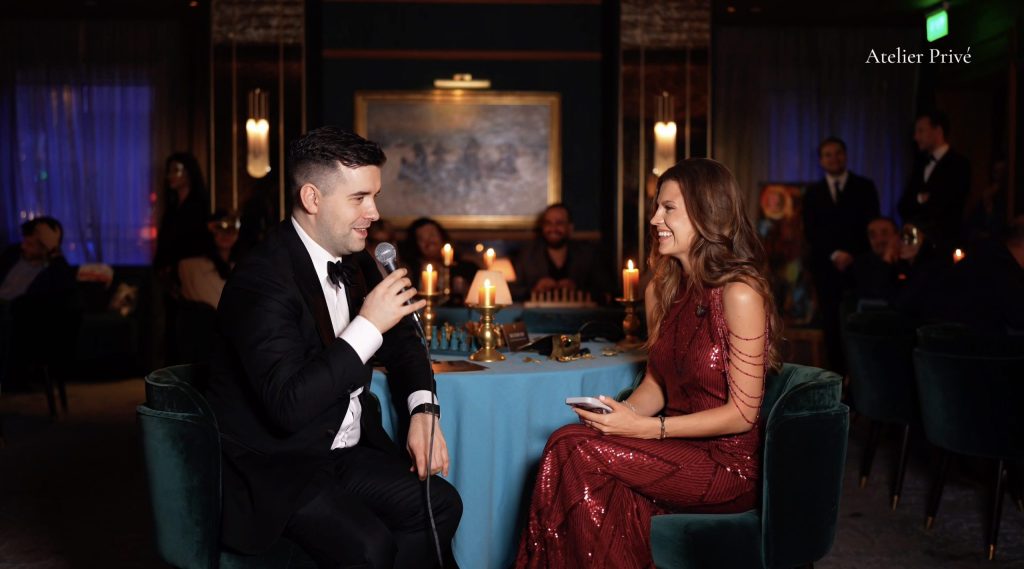
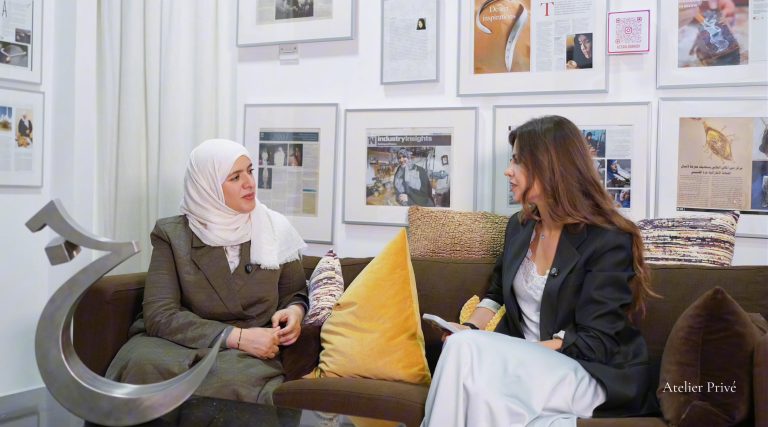
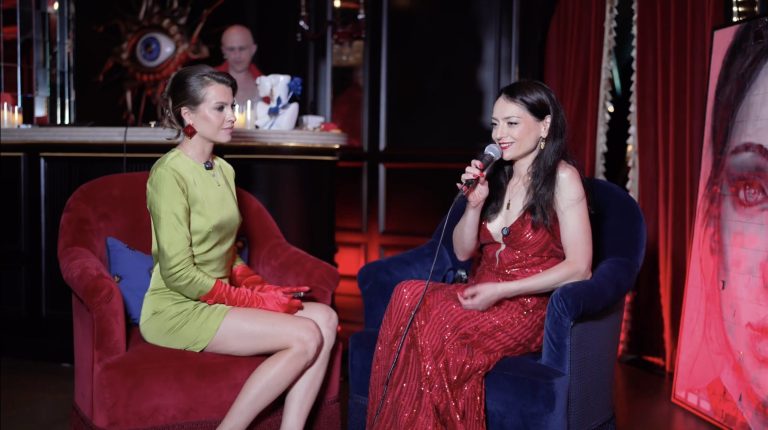
On a warm evening in Dubai, within the intimate setting of FERZ Chess Club, Atelier Privé hosted a conversation with one of the world’s leading chess grandmasters — Ian Nepomniachtchi.
In an atmosphere that balanced quiet concentration with the social ease of a private club gathering, Ian Nepomniachtchi – Nepo – joined Atelier Privé founder Arina Ponomareva for a short on-stage conversation. The discussion moved from the psychology of tournament play to the rhythms of long matches, the growing popularity of chess, and the personal habits that shape a grandmaster’s life away from the board.
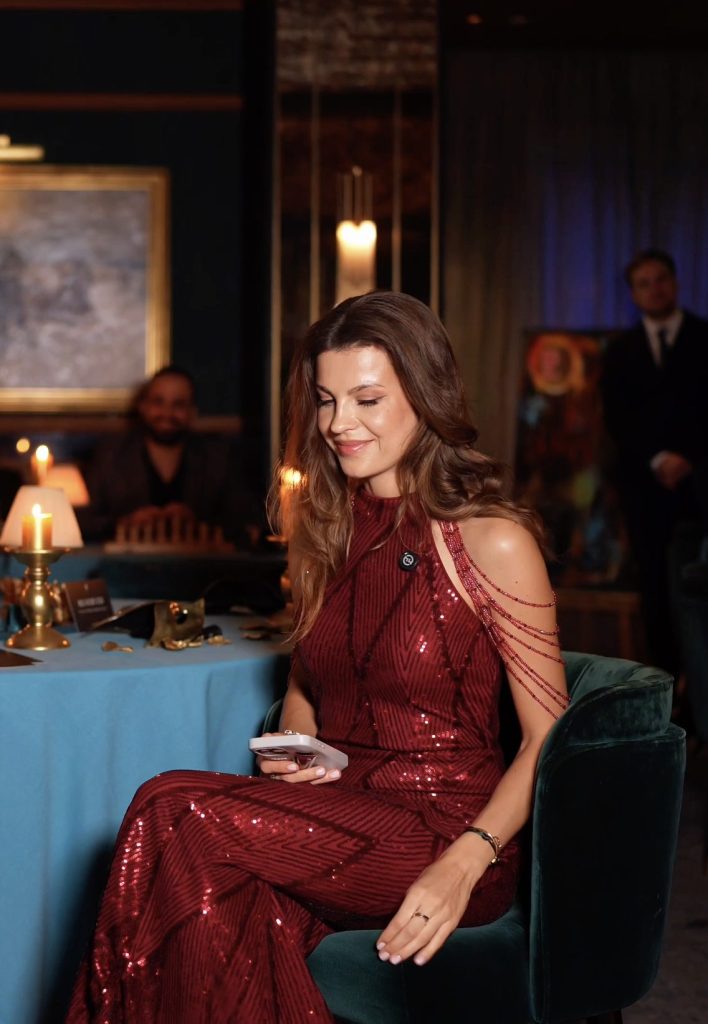
Speaking candidly and with characteristic wit, Ian Nepomniachtchi reflected on the discipline of elite competition, the endurance required by major tournaments, and the small rituals that sometimes accompany victory.
Arina: Good evening, everyone. In the middle of such a beautiful evening, it feels like the perfect moment to talk about what remains behind the scenes of victories and dramatic matches.
Tonight, as part of the FERZ Chess Club here in Dubai, Atelier Privé is joined by a player whose games are discussed throughout the chess world — Ian Nepomniachtchi.
Ian, we are delighted to have you with us this evening. Thank you for being here. Let’s begin with a simple question.
What is your favorite part of the game: the opening, the middlegame, or the endgame?
Ian: Thank you very much for having me. It’s a pleasure to be here.
The answer is very simple: my favorite part of the game is when the game is over — so I can finally rest.
You are known as one of the fastest players in elite tournaments. What allows you to make decisions so quickly — intuition, experience, or the way you think during the game?
Ian: There are two possible answers: a boring one and a more amusing one. Let’s go with the boring one.
When I was around ten or eleven years old, I was constantly in time trouble. I would spend nearly all of my time on the clock. My coach at the time — Valery Zilberstein, a former Russian champion from the Soviet era — gave me a simple instruction. He said: imagine that instead of two hours, you only have one. If you really need the extra time, you can use it later, but start the game as if your time is already limited.
After that I began playing much faster. And since then I’ve never really stopped.
In long matches against the same opponent, what matters more: staying calm or having extremely deep opening preparation?
Ian: Both help. But the greatest help usually comes from the other side — when your opponent makes mistakes.
Of course, knowing your openings well gives you confidence, especially in the early phase of the game. If the opening goes smoothly, you have more freedom later to be creative and sometimes take risks.
At the same time, stamina is extremely important during long tournaments and matches. At the beginning you are fresh and energized. But as the games continue, fatigue inevitably appears. Toward the end you often have to find what athletes call a “second breath.”
If you manage to do that, it’s great. If not, the tournament becomes very difficult.
Chess seems to be gaining popularity today, even among people who didn’t grow up playing. Why do you think this is happening?
Ian: First, let’s separate chess as a sport and chess as a board game. As a board game, chess may be the most popular game in the world. Today anyone can play on a smartphone. You no longer need to search for an opponent in person. You can always find someone online, or simply play against the computer. And the system usually finds an opponent close to your level.
That balance keeps the game interesting. If you constantly win or constantly lose, it becomes boring. Chess platforms generally avoid that problem.
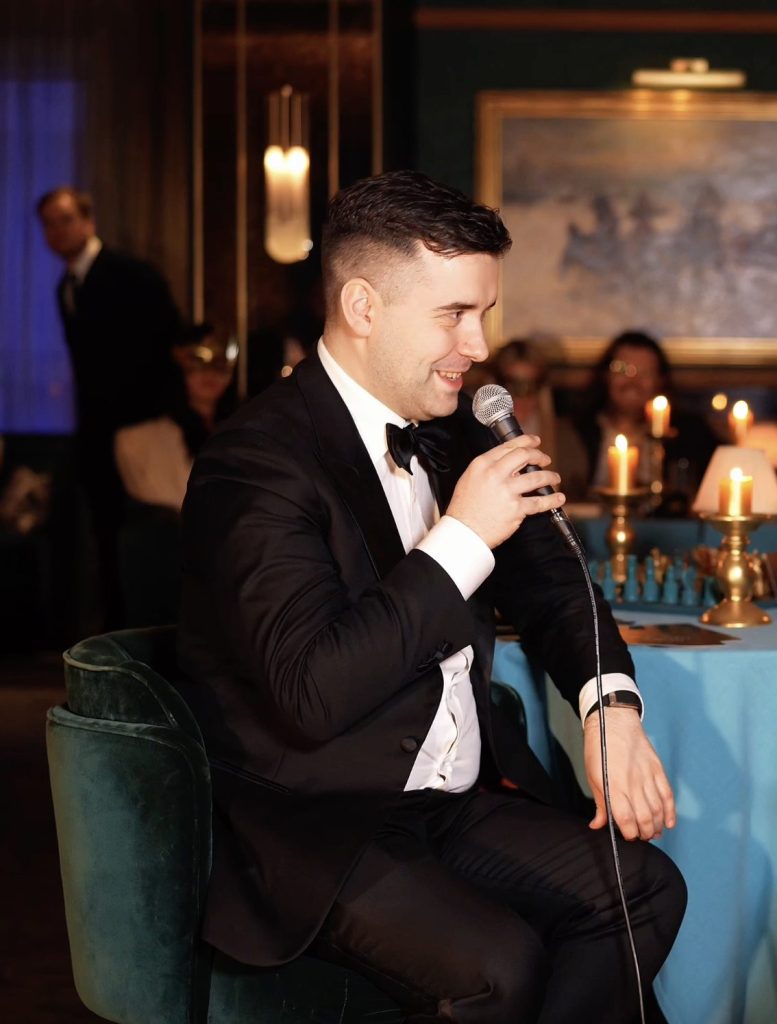
Another factor was the pandemic period, when the Netflix series The Queen’s Gambit became hugely popular. It dramatically increased interest in chess around the world. At the same time, I think some people have grown a little tired of highly graphic video games — shooting, running, constant action. Chess is different. The rules are simple to learn, yet mastering the game is endlessly difficult.
And I’m very happy to see this renewed interest. I would also like to see the sporting side of chess become more widely recognized and appreciated globally.
Ian, I know you like football. What other activities help you relax outside of chess?
Ian: Yes, football is one of them. I used to play two or three times a week when I lived closer to the stadium where we played. I also spend time playing computer games. About fifteen years ago I was quite serious about it — I spent thousands of hours playing Dota. I still follow eSports from time to time. Many players from that generation are now commentators or coaches, but I continue to watch occasionally. In general I enjoy games of many kinds: card games, quiz games, anything competitive. One of my biggest motivations in chess is simply the desire to win, and that instinct extends to other games as well. Aside from that, my hobbies are fairly simple: gaming, relaxing, and watching Netflix.
Do you have any chess superstitions? Perhaps a particular pen, a lucky sweater, or a special way of arranging the pieces?
Ian: I do tend to adjust the pieces on the board in a particular way, but I would call it more of a habit than a superstition. However, when a tournament is going well, many players try to repeat the same routine every day. You go to the same restaurant for lunch, order the same meal, keep everything as similar as possible. You place yourself inside a kind of loop. As long as it works, you continue.
Most players do this. It’s not always superstition — sometimes it’s simply practical. If something works, you don’t want to change it. When I was younger, I did have a few superstitions influenced by other players. For example, if you were winning you wouldn’t change your clothes or your pen. There was even a period when, before the game, I would drop my opponent’s king on the board — if I was playing White, I would place the black king down first, believing it might bring extra luck.
Now I try not to think about those things too much. I just focus on making things work.
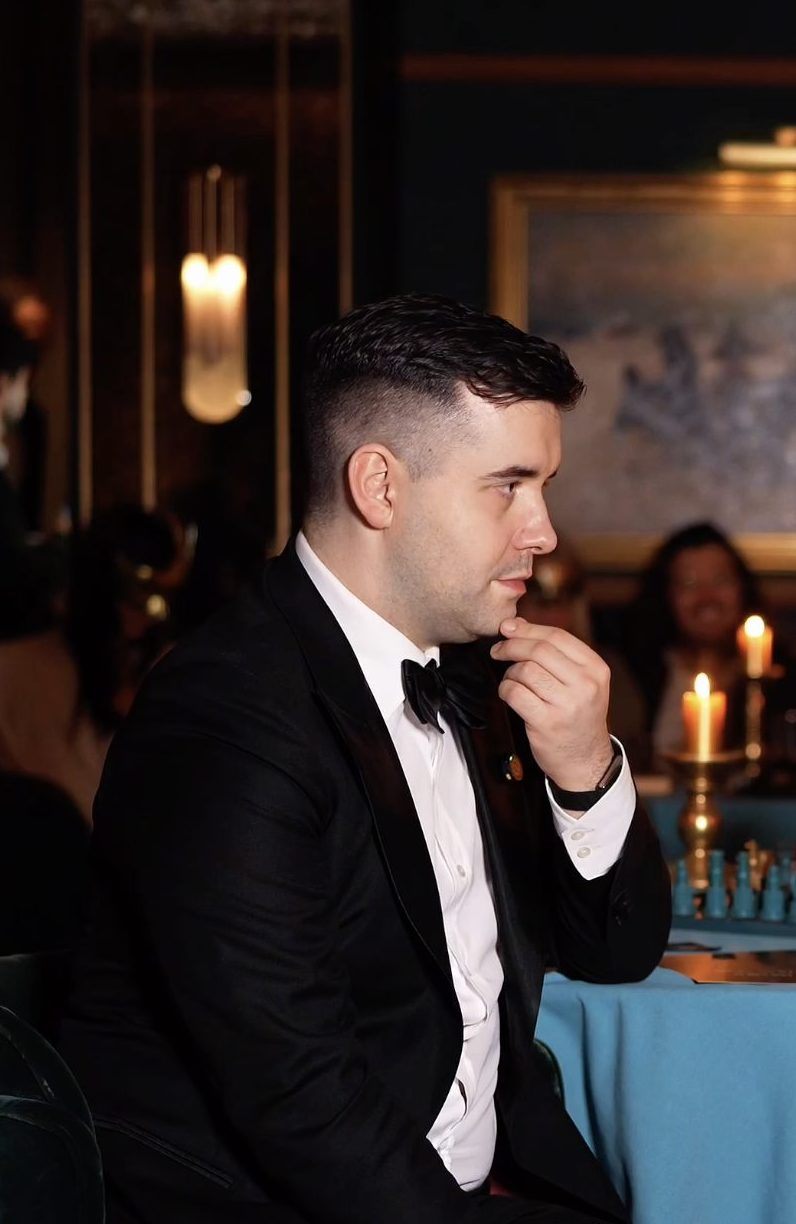
And the final question. If your games were a film genre, what would they be: a thriller, a drama, an art-house film, or a blockbuster?
Ian: Is there a genre that’s particularly good for sleeping? (laughing). Perhaps something like a quiet science-fiction series.
The conversation concluded with warm applause from the audience gathered at FERZ Chess Club.
Even in a short exchange, Ian Nepomniachtchi revealed the blend of discipline, humor, and competitive instinct that has defined his career at the highest level of international chess. For the guests present in Dubai, the evening offered a rare opportunity to hear one of the world’s leading grandmasters speak not only about victories and tournaments, but also about the habits, endurance, and quiet rituals that exist behind every game.
You can watch the full interview with chess GM Ian Nepomniachtchi on our YouTube channel Atelier Privé Experience.
Read later
Share