Gold bullion in Dubai: trends, outlook, and why the market still matters
 Read later
 Share
Share
Why Dubai still matters in the gold Bullion market
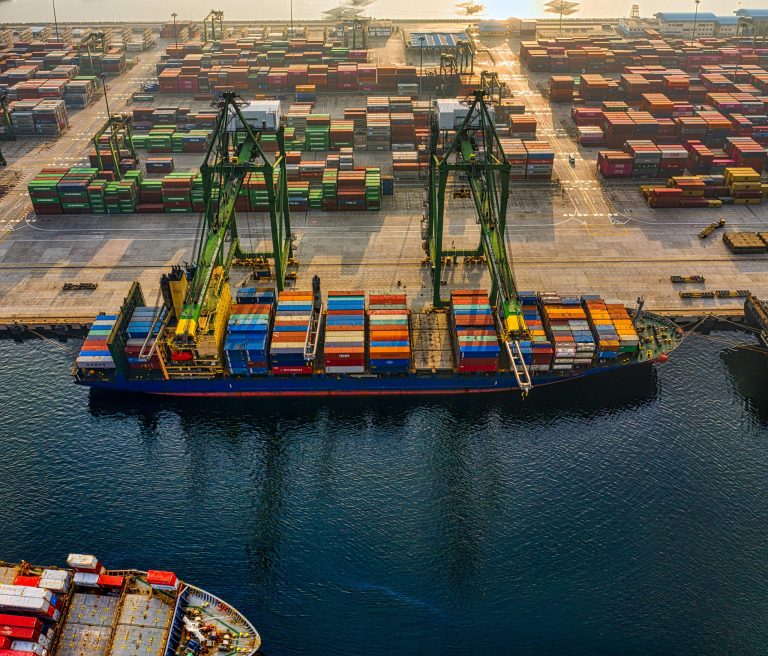
When people talk about precious metals in the Gulf, Dubai almost always comes up first, and for good reason. The city is one of the world’s most important physical trading hubs for gold bullion, linking producers, refiners, traders, and end markets across Asia, the Middle East, and Europe. DMCC says the UAE, through Dubai, is the world’s second-largest physical gold trading hub after Switzerland, while the UAE’s foreign trade in precious metals reached nearly AED 625 billion in 2024, up 27% year on year and 79% in two years. That scale matters because it reflects a market built on logistics, regulation, and liquidity.
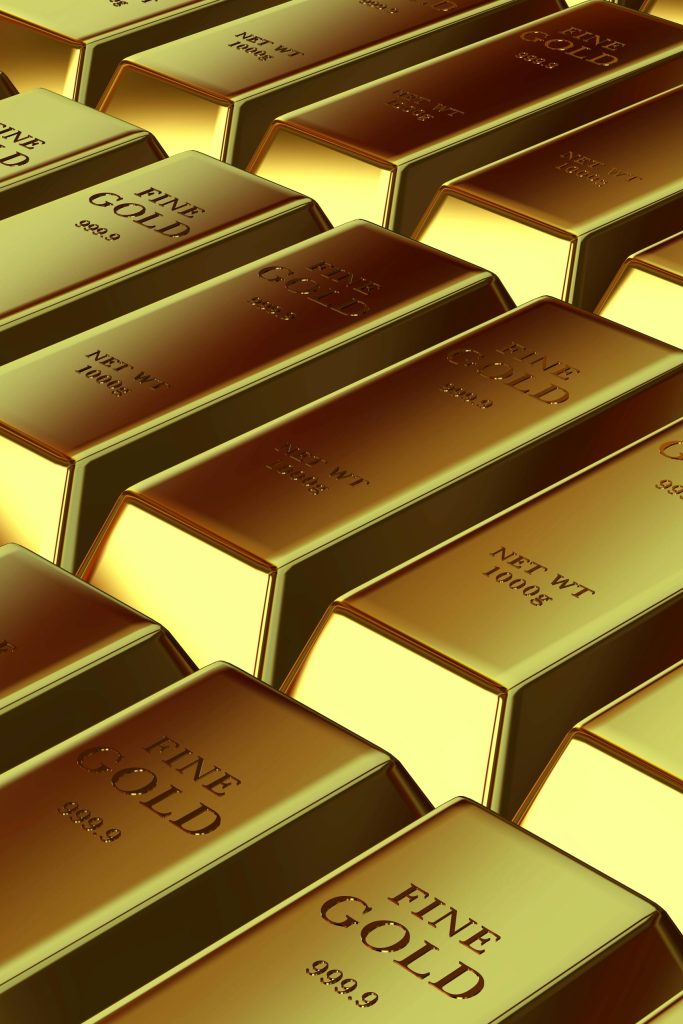
Gold bullion and the wider precious metals market in Dubai
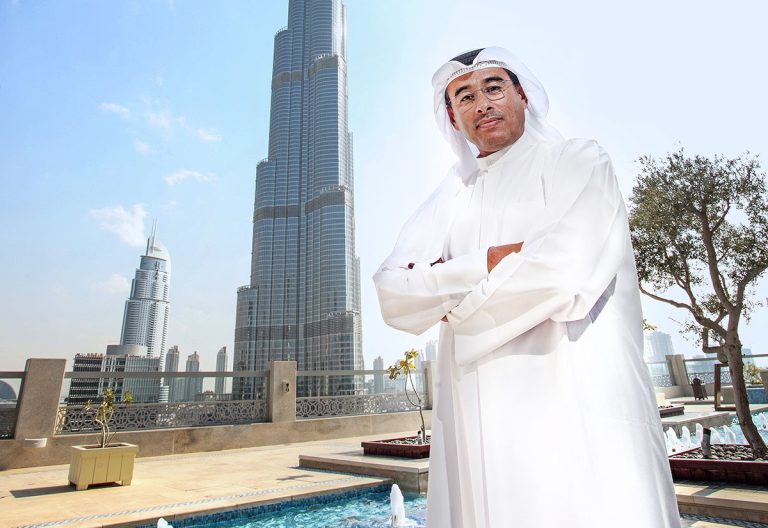
The broader market picture is also supportive. At the 2025 Dubai Precious Metals Conference, Ahmed Bin Sulayem, Executive Chairman and Chief Executive Officer of DMCC, said the UAE recorded more than USD 186 billion in precious metals trade in 2024, with gold making up a major share of that total. DMCC states that it now has more than 1,500 member companies active across precious metals, stones, and diamonds, which helps explain why Dubai remains such an important hub for refining, manufacturing, trading, finance, and re-export. For investors, that depth matters. A gold bullion market becomes more attractive when it offers not only buyers and sellers, but also infrastructure for custody, transport, compliance, and pricing. Dubai has spent years building exactly that environment.
What global gold trends mean for gold bullion in Dubai
Dubai’s local market is also benefiting from strong global demand for gold. The World Gold Council reported that total gold demand in 2025, including OTC activity, exceeded 5,000 tonnes for the first time, while the total value of demand reached a record US$555 billion. The same report said global gold ETF holdings grew by 801 tonnes in 2025, the second-strongest year on record, and bar and coin buying climbed to a 12-year high. That matters for Dubai because the city sits directly in the path of this demand. When safe-haven buying rises globally, Dubai tends to benefit both as a pricing and distribution point and as a market where investors can access physical gold bullion more easily than in many other jurisdictions.
Recent disruption did not change the bigger story
There was some short-term disruption after the regional conflict involving Iran. In March 2026, Reuters reported that gold in Dubai was trading at a discount to London because flight constraints had trapped more bullion in the local market while uncertainty weakened demand. The report also noted that physical flows through Dubai were disrupted for around 10 days, affecting a hub that supplies Switzerland, Hong Kong, and India. Subsequent reporting pointed to a partial recovery in flight activity, which helped some gold flows restart. That sequence matters because it shows that regional tension can temporarily affect pricing and logistics without fundamentally undermining Dubai’s role in the market. The speed of that partial recovery also highlighted how deeply Dubai is embedded in the global bullion trade.
Why investors still look at gold bullion in Dubai
For investors, Dubai continues to offer several practical advantages. DMCC’s 2025 gold and precious metals fact sheet notes that gold bullion is exempt from VAT in the UAE, which remains one of the market’s more attractive features. The same document also highlights Dubai’s connectivity to producing and consuming countries, which is one reason the city works so efficiently as a transfer point for physical gold. There is also a financial-market layer here: DGCX, part of the DMCC ecosystem, offers precious metals products including spot gold futures, and its Shariah-compliant spot gold contract was introduced to broaden investor access. This gives investors access to both physical trade infrastructure and financial market tools within the same ecosystem.
What the main investment case looks like in 2026
The investment case for gold bullion in Dubai is based more on capital preservation, diversification, and geopolitical hedging than on short-term gains. The World Gold Council said safe-haven demand and diversification were major drivers of investment demand in 2025, and its outlook for 2026 points to another year of strong ETF inflows and robust bar and coin demand, supported by continued geopolitical tension and elevated central bank buying. That backdrop is likely to support interest in physical bullion, especially in a market like Dubai, where investors often think internationally and hold part of their wealth across currencies and jurisdictions.
Final outlook for gold bullion in Dubai
The most realistic conclusion is that the gold bullion market in Dubai still looks attractive. Short-term volatility is normal, especially when regional conflict disrupts transport and sentiment. But the deeper fundamentals remain constructive: Dubai is still a major global gold hub, trade volumes remain high, investor access is strong, and global gold demand continues to be supported by diversification and safe-haven buying. For that reason, the overall outlook remains positive. The market may go through brief periods of pressure or pricing dislocation, but Dubai’s role in gold bullion has not weakened in any structural way. Its scale, infrastructure, and connectivity continue to make it one of the most relevant places in the region for precious-metals investors looking beyond short-term headlines.
Read later
Share