Diversification Lessons from Japan and the UAE: The Hidden Challenge
 Read later
 Share
Share
From Oil Dependency to Diverging Futures
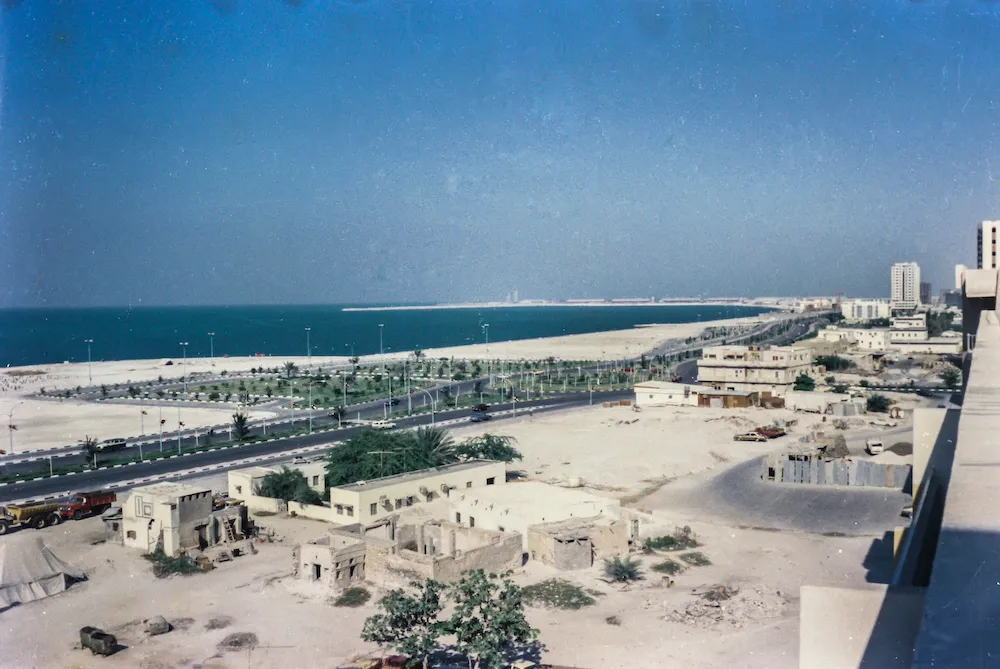
In the early 1970s, a small oil-dependent economy was coming out of the colonial age: the United Arab Emirates. Founded in 1971, the Emirates were still searching for their place in the turbulent geopolitical environment of the Gulf: with 60–65% of its GDP financed by oil activities, it was extremely vulnerable to changes beyond its control. Today’s UAE boasts being one of the richest countries in the world, with high technological development and a GDP per capita that has nothing to envy from the world’s traditional strong economies.
Around the same time, the giant of Africa, Nigeria, entered the 1970s with an extremely promising economy. After a devastating civil war, Nigeria saw its oil-fueled economy grow at an average 12.3% annually from 1970 to 1974, more than doubling the government’s target rate. The Nigerian Naira became even stronger than the US dollar, and many observers saw the country as a new industrial and economic powerhouse, a fulfillment of all Africa’s post-colonial aspirations. Today, those dreams are shattered. A pocket full of Naira will not even pay for a decent meal in Lagos.
So, what happened here? Can it be that the UAE’s oil quality is so much better than Nigeria’s?
Economic Diversification as a Development Strategy
Well, it’s not so simple: South Korea, with no reliance on oil, offers a similar example: from being an economy highly dependent on textiles and agricultural products until the 1990s, South Korea managed to use its revenue to upgrade its economy toward higher-complexity products: chemicals and machinery. The result was a massive increase in GDP and GDP per capita, with the latter rising from $8,281 in 1998 to more than $33,000 in 2023. This “magic” policy actually has a name: it is called Regional Economic Diversification, and it’s a bit more than its name suggests.
In simple terms, diversification means “expanding the range of economic activities, reducing reliance on a single industry or resource sector”. Nigeria offers a textbook example of exactly how NOT to do that. By 1988, petroleum accounted for a staggering 87% of Nigeria’s export earnings and 77% of government revenue, which meant that other factors like agriculture and manufacturing were completely neglected. The UAE, on the other hand, invested oil revenues into other industries; in fact, non-oil GDP grew faster than oil GDP for decades, rising by 15.5% annually between 1972 and 2003, compared to 10% yearly growth in oil GDP.
Already a subscriber? Sign in
Enjoy unlimited access for $10/month.
Subscribe to Atelier Privé to get full access to every story, in-depth analysis and original research, community membership, invitations to exclusive partner, cultural and business events, and the annual print edition of Atelier Privé.
Subscribe Read later
Share
Read later
Share