Money, Power and Legacy: 12 Books Wealthy People Return To
 Read later
 Share
Share

Ask a founder what shaped their thinking, and the answer is rarely a business plan. Wealth of this scale comes with its own reading habits, ones that rarely make it onto a public list because they were never meant to circulate that widely. Certain books simply travel with this readership, handed from a parent to a child, recommended between founders, kept within reach of a desk instead of displayed on a shelf.
The pattern says as much about how this readership thinks as the books themselves. The list below isn’t exhaustive, but it offers a clear picture of what continues to demand attention.
On Money: The Discipline Behind the Fortune
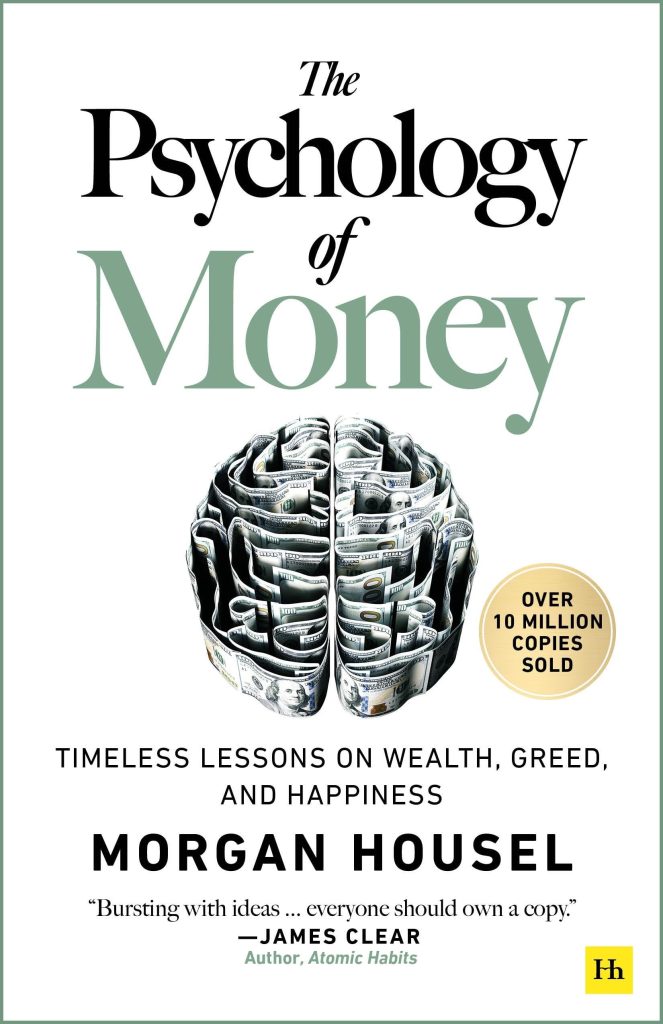
The Psychology of Money by Morgan Housel has become close to required reading in this category, and for a specific reason: it speaks to keeping money more than making it. Housel’s central argument, that financial outcomes are driven more by behaviour than by knowledge, confirms something most self-made wealth holders learned the hard way: that smarter, better-credentialed peers have lost fortunes through impatience or ego.
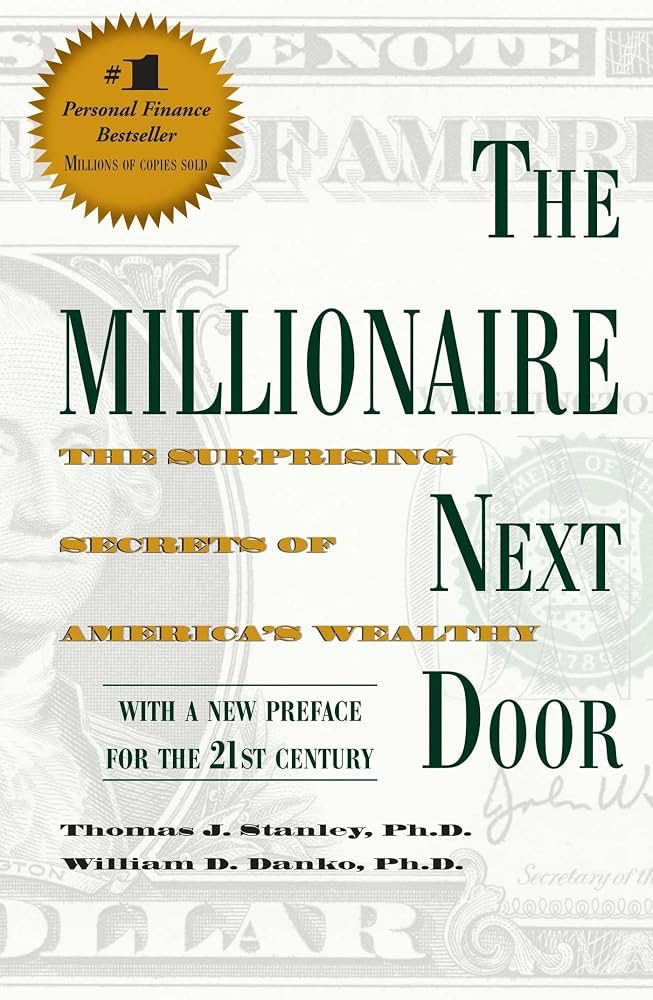
The Millionaire Next Door by Thomas Stanley and William Danko is dated in its specifics but still circulates, especially among first-generation wealth builders handing books to their children. Its thesis, that the visibly wealthy and the actually wealthy are often different people, is the clearest version of a distinction one cares about. The book also introduced “Economic Outpatient Care,” the idea that financial support from wealthy parents can weaken a child’s own discipline, a point that lands hardest with first-generation builders since it speaks to the handoff moment itself.
Poor Charlie’s Almanack: The Essential Wit and Wisdom of Charles T. Munger works as an operating manual for thought itself. Munger’s “mental models” approach, borrowing frameworks from biology, psychology and physics to make better decisions, has become something close to gospel in investment and family-office circles, cited as often in casual conversation as in formal reading lists.

On Power: The Mechanics Rarely Taught
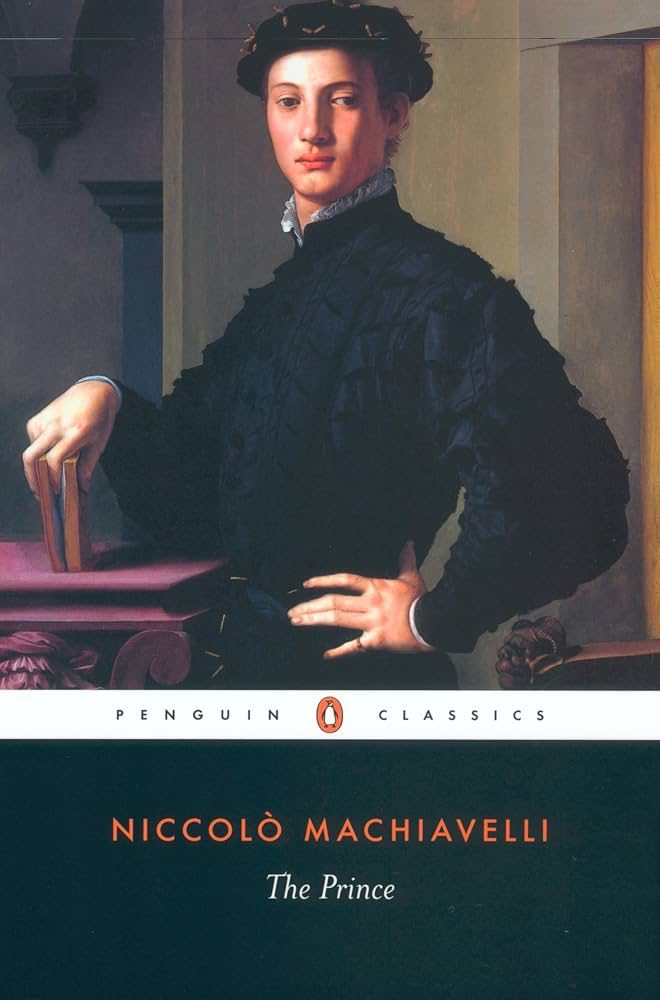
The Prince by Niccolò Machiavelli remains the shortest, sharpest text available on reputation, alliance and the mechanics of authority. Among those who genuinely work through it, the book gets treated as a practical manual, applicable to boardrooms and family councils alike.
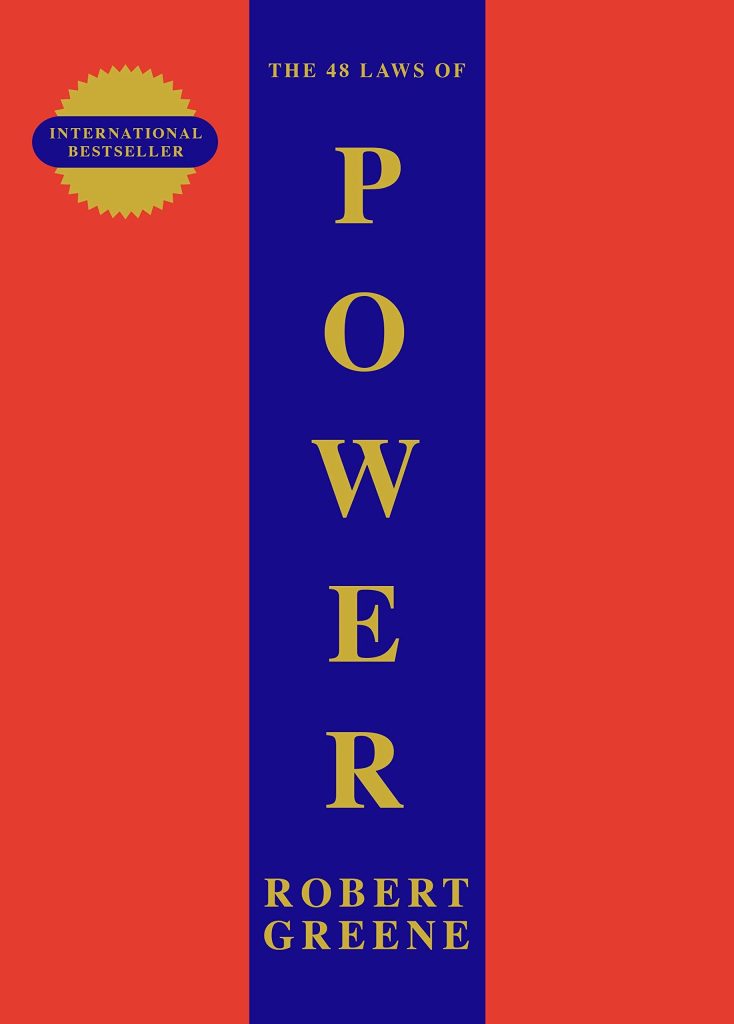
The 48 Laws of Power by Robert Greene is more polarising but genuinely widely read among founders and dealmakers. Its value lies less in the “laws” as prescriptions and more as a classification of tactics worth recognising when someone else is using them on you.
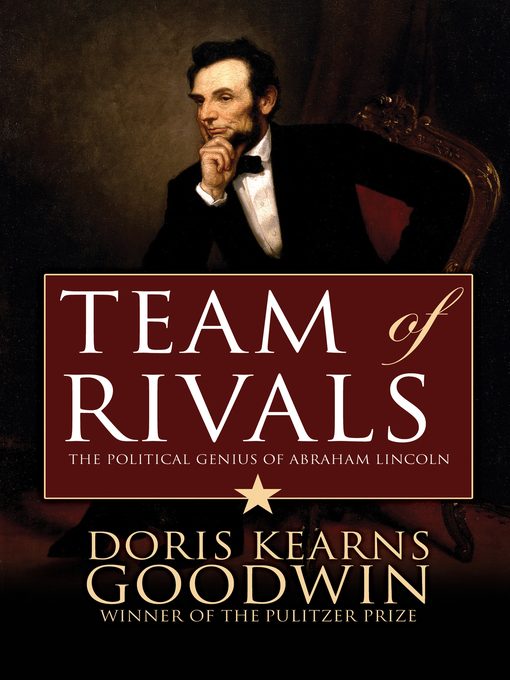
Team of Rivals by Doris Kearns Goodwin reads as a biography of Lincoln’s cabinet, but its real subject is how to retain power while surrounded by people who wanted your job, a situation more familiar to this readership than most would care to admit.
On Legacy: What Outlasts the Founder
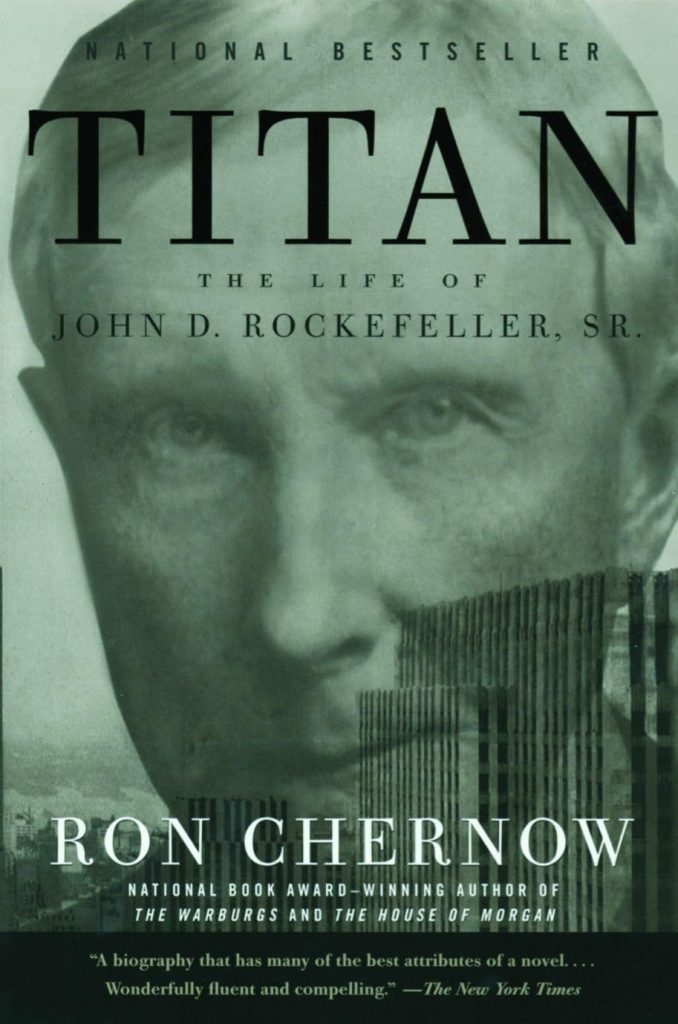
Titan: The Life of John D. Rockefeller, Sr. No single author dominates this category the way Ron Chernow does. Families thinking seriously about multigenerational wealth pick it up precisely because it doesn’t flatter its subject: it traces both the fortune and its consequences across generations with unusual honesty. Chernow’s other biographies, particularly of Morgan and Carnegie, get similar treatment, but Titan is the one most often handed to heirs specifically.
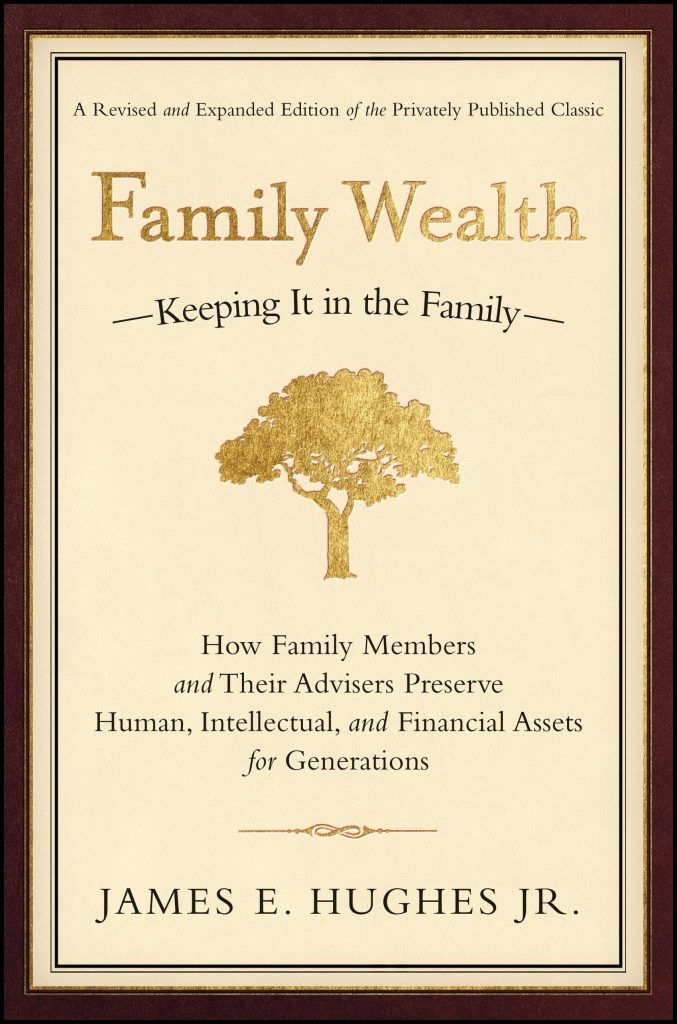
Family Wealth: Keeping It in the Family by James Hughes Jr. is close to authoritative on the operational side of legacy planning. It’s a structural rather than literary book, the one family offices tend to hand to the next generation before the harder conversations about trusts and governance begin.
Sitting underneath both is The Gospel of Wealth, Andrew Carnegie’s short 1889 essay. Its central claim, that dying rich is itself a disgrace, remains the founding document of modern philanthropic thinking, and its logic still shapes how many high-net-worth families frame giving, even without the original text having been read.

On Decision-Making: Judgment Under a Different Kind of Pressure
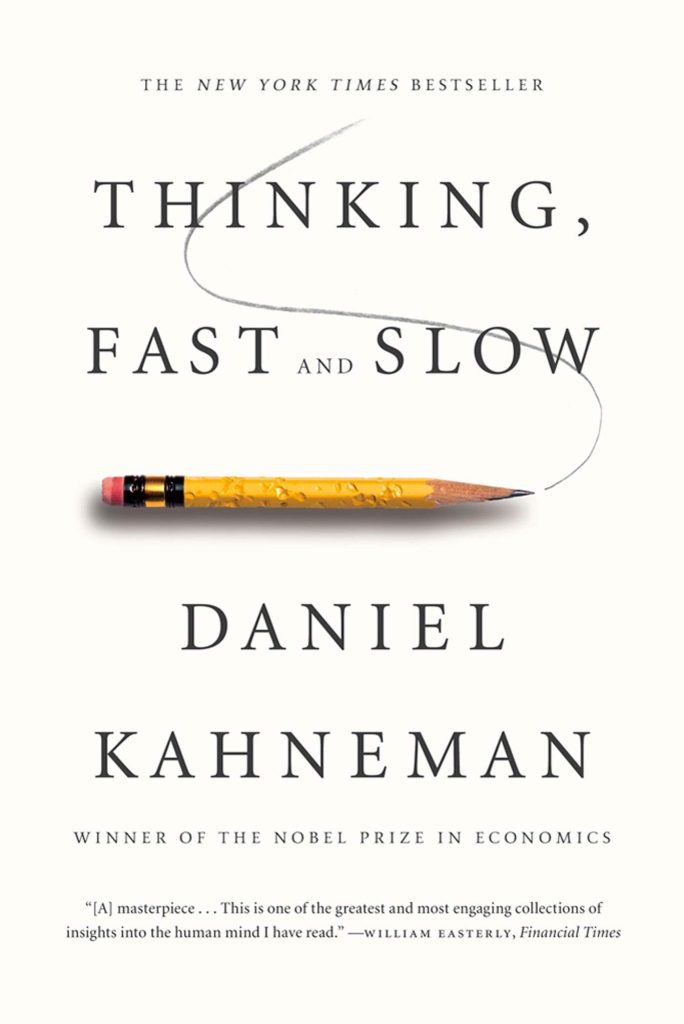
Thinking, Fast and Slow by Daniel Kahneman is close to a universal reference point in this world, the book most likely to be name-checked in conversations about bias, risk tolerance and the gap between how people think they decide and how they actually do.
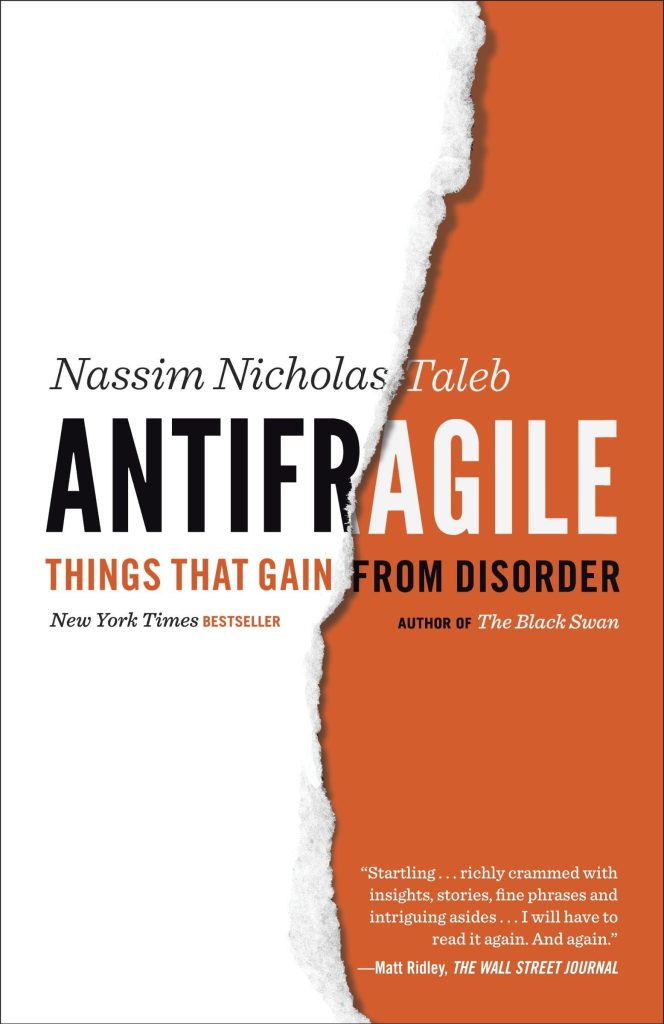
Antifragile: Things That Gain from Disorder by Nassim Nicholas Taleb occupies a specific place in this list because Taleb writes from inside the world of trading and risk. Antifragile is the most commonly cited of his books, often paired with Skin in the Game as a natural second read, both making arguments about risk and accountability that land differently with people who have actually staked capital on their own judgment.
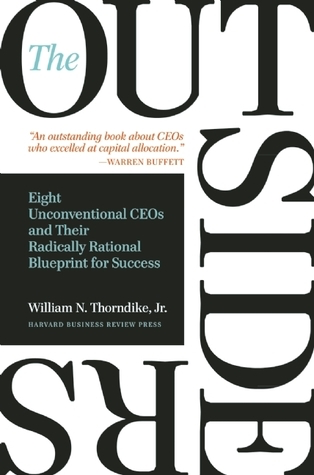
The Outsiders by William Thorndike studies eight CEOs distinguished by unusually disciplined capital allocation. It’s arguably the most practically useful book on this list, and it’s particularly popular among readers who think about their wealth as a portfolio requiring active, unglamorous stewardship.
Where the Arc Leads
Read together, these twelve books trace an arc that mirrors how most people actually move through a relationship with significant wealth over a lifetime. The money books come first, chronologically and psychologically; Housel and Stanley/Danko are the texts of accumulation, concerned with behaviour and discipline. The power books arrive once wealth has converted into influence, when the questions shift from how do I get more to how do I hold what I have without losing myself in the process. The legacy books arrive later still, often only after a family has watched, or feared, what happens when a fortune outlives its founder. And the decision-making books, Kahneman and Taleb in particular, tend to recur throughout, a permanent companion rather than a single phase.
What someone is reading at a given moment is a fairly reliable sign of where they are in that arc, closer to building something, or closer to deciding what happens next.
Read later
Share