Tabby is now worth $4.5 billion. Here’s how they changed the way we shop
 Read later
 Share
Share
Buy-now-pay-later has become one of the region’s fastest-growing sectors — and Tabby is leading it.
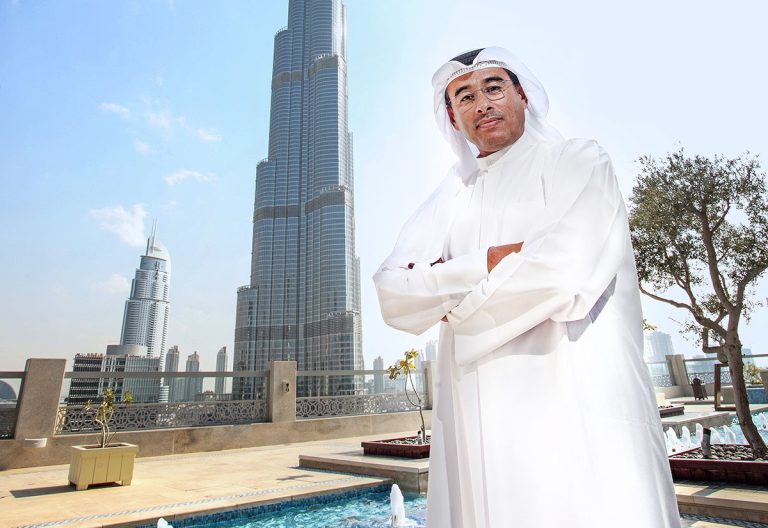
Six years ago, most Gulf shoppers paid cash on delivery. Today, a growing share of them are paying in four installments. Co-founder Hosam Arab has built the checkout twice — once for Namshi, which defined how the Gulf shops online, and once for Tabby, which defined how it pays.
Trained as an engineer, he moved through early roles at Schlumberger and GE, an MBA at Harvard, and time in advisory and private equity at Waha Capital — a range of experience that gave him exposure to both the technical and financial sides of building a company before he built one of his own.
That opportunity arrived in 2011 with Namshi. Online fashion retail was still a new category in the Gulf, and the logistics networks built for e-commerce at scale didn’t yet exist. Arab and his co-founders built much of Namshi’s infrastructure on top of Aramex, laying groundwork for the region’s digital retail sector as they scaled the business itself. Over eight years, Namshi grew into one of the Gulf’s defining e-commerce successes, expanding across the UAE, Saudi Arabia and the wider GCC.
Then, Arab founded Tabby — a buy-now-pay-later (BNPL) platform that arrived at a moment when the Gulf’s retail landscape was defined by a particular gap: low credit card penetration paired with high spending power, especially among younger shoppers.
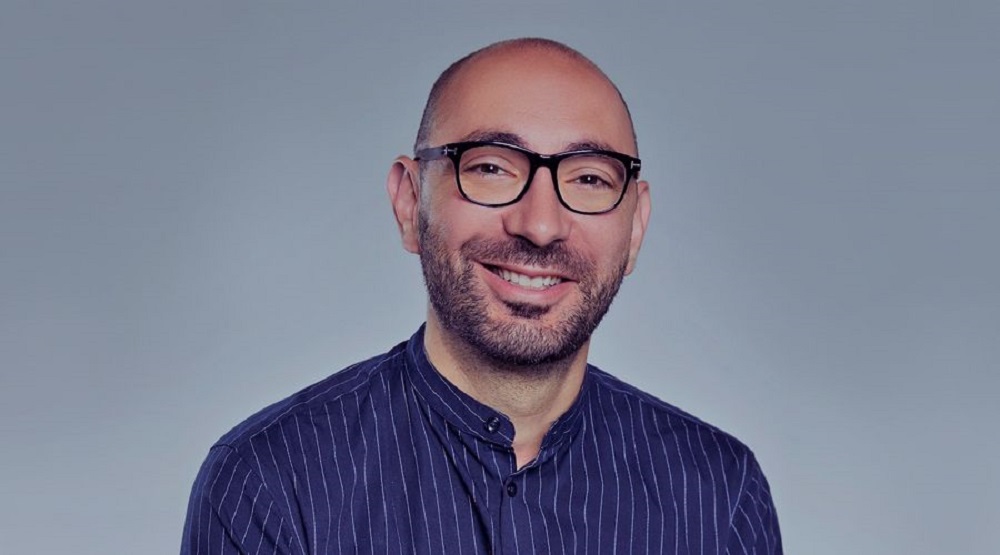
Who better to notice the gap than Arab? Having spent nearly a decade building the checkout experience for one of the region’s largest online retailers, it’s a reasonable inference that Namshi gave him a close-up view of exactly how Gulf shoppers wanted to pay – and where the existing options fell short. Tabby, in that light, reads less like a pivot and more like a continuation: the same infrastructure instinct that built Namshi, now aimed at the payment screen instead of the warehouse.
Building the Rails
Tabby’s rise has been steady rather than sudden — each round of funding arriving to match a new stage of proof. A $7 million seed in 2020 to a Series A that same year, then a Series B in 2021 and its extension the following year, as the model moved from an online curiosity to something regulators and retailers alike were willing to build around. By January 2023, Sequoia Capital India and STV led a $58 million Series C, joined by PayPal Ventures — the first time the firm had put money behind a Gulf startup.
It then led its journey by climbing up the figures. By October 2025, a secondary share sale placed the company’s implied valuation at $4.5 billion.
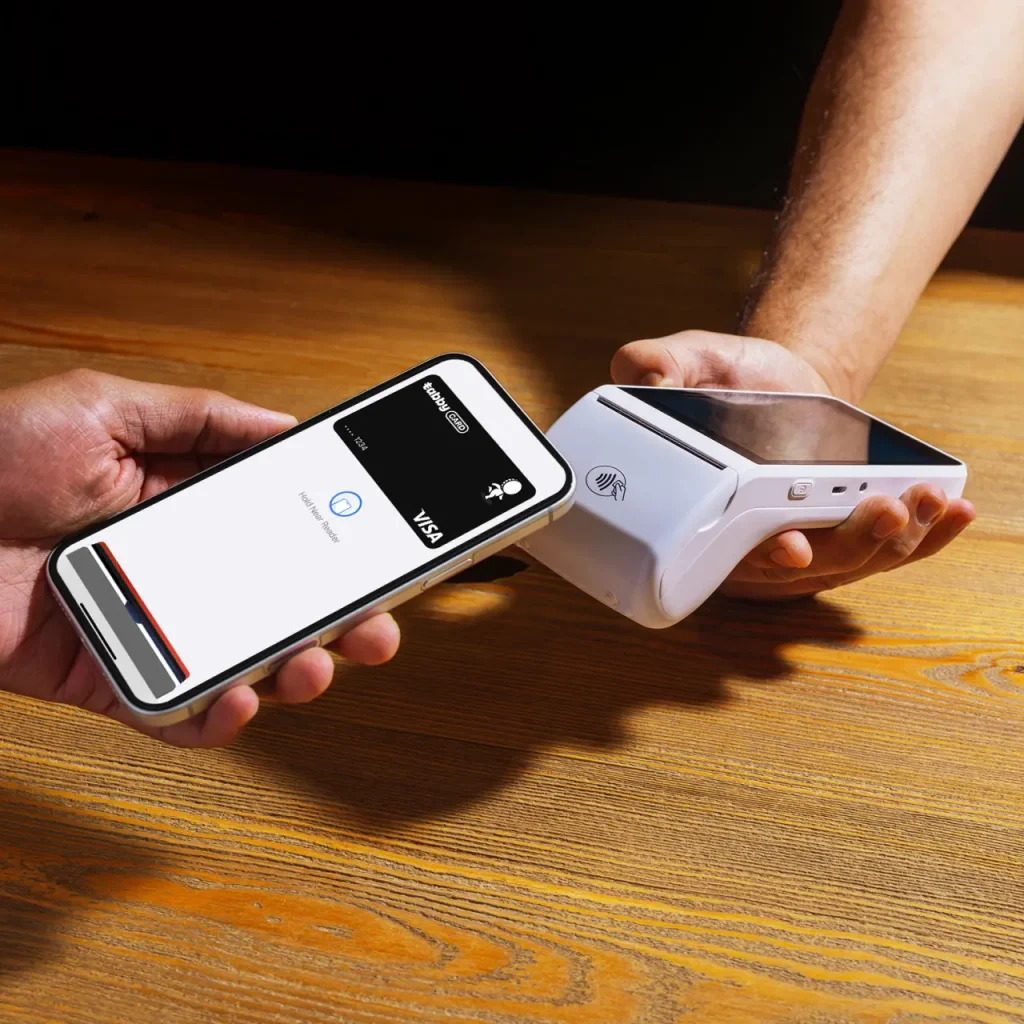
The scale behind the numbers is its own kind of proof. By early 2025, Tabby counted more than 15 million registered users and over 40,000 merchant partners, moving more than $10 billion a year through its checkout. That merchant list reads like a shorthand for how the Gulf shops — SHEIN, Amazon, Adidas, IKEA, H&M, Samsung, and Noon among them, alongside a long tail of smaller regional retailers.
Tabby has also outgrown its original product. The 2024 acquisition of Saudi digital wallet Tweeq brought stored-value accounts and salary disbursement into the platform, and a September 2025 partnership with GOSI extended its reach into financial inclusion work tied to Saudi Arabia’s social insurance system. This year alone has brought new finance licences from Saudi Arabia’s central bank, a UAE wallet license, and an education-financing partnership with the platform Zenda.
The company has since relocated its corporate headquarters from the UAE to Saudi Arabia — a reflection of where the bulk of its business now sits, with roughly 80% of customers in the Kingdom — while continuing to operate and expand in the UAE under its own wallet license. The move has laid the groundwork for a planned listing on the Saudi Exchange, with HSBC, JPMorgan, and Morgan Stanley engaged to advise.
A Market That Keeps Moving On
Tabby’s growth reflects a broader shift underway across the Gulf. Buy-now-pay-later has moved from a checkout novelty to a mainstream way of shopping in the UAE and Saudi Arabia, with BNPL providers across the region increasingly expanding into categories beyond fashion and electronics — travel, healthcare, and insurance among them. Tabby’s own recent move to secure new finance licences from Saudi Arabia’s central bank tracks that same shift: a step that moves the company beyond its original BNPL product and toward broader regulated consumer and business finance.
Regulators have moved to formalise the category rather than restrain it. Saudi Arabia’s central bank issued its BNPL regulatory framework in December 2023 — the same regulatory track Tabby has since used to secure its new licences — and the UAE’s central bank followed with its own updated Finance Companies Regulation in early 2025. That kind of framework has tended to favour licensed, well-capitalised incumbents over smaller, less regulated entrants, positioning early movers like Tabby well ahead of the curve.
That kind of institutional context shows the bigger picture of where Gulf wealth is heading — context that helps explain why a company like Tabby has found such fertile ground. The Middle East’s population of ultra-high-net-worth individuals has grown sharply over the past several years, and much of that capital has, to date, concentrated in the sectors most visibly tied to Vision 2030 – hospitality, tourism, and real estate, from boutique resorts to entertainment megaprojects. Whether that capital increasingly finds its way toward technology and financial services as a new generation takes the reins of Gulf family offices remains to be seen – but it is the direction many in the region are watching for.
Tabby sits at the intersection of both trends. In just a few years, a fashion-and-electronics checkout tool has become a licensed financial institution, mirroring what’s happening across the wider Gulf economy, as capital moves from tourism and real estate toward tech and financial services.
Read later
Share