How Emaar Became the Ultimate Blueprint for Modern Dubai
 Read later
 Share
Share
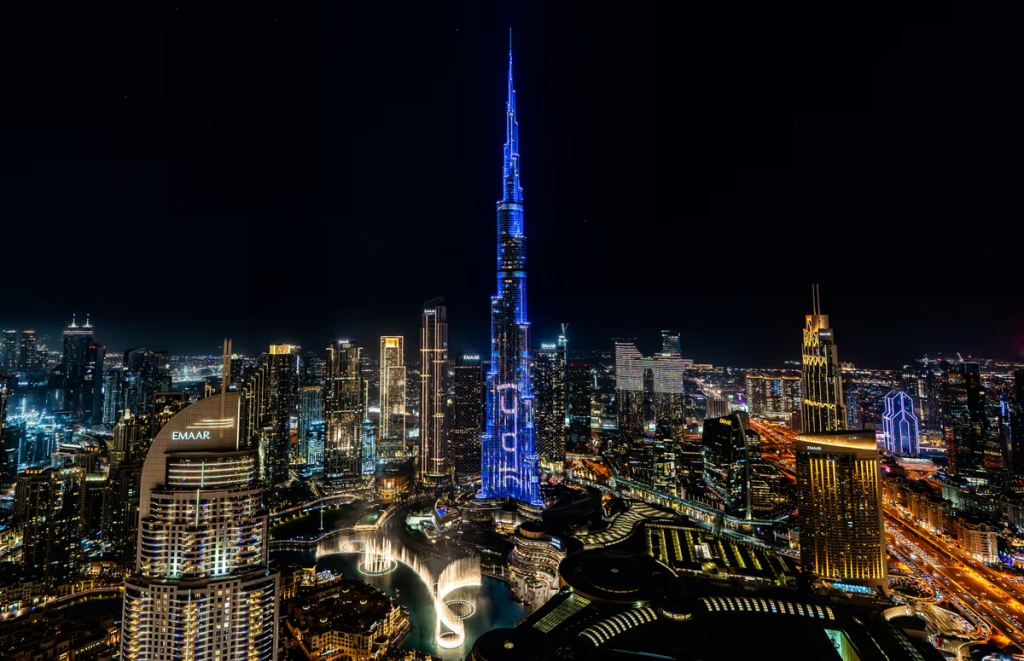
Nearly thirty years since its founding, the company that built most of Dubai’s iconic landmarks continues to define the city’s growth — and its investment story.
A City Built to Order
There is a particular kind of confidence it takes to build a district before anyone has decided to live in it. In the early 2000s, Emaar did that — laying claim to a stretch of desert and launching what would become Downtown Dubai. The bet paid off so well that most people now assume Downtown Dubai, Dubai Marina, and Dubai Hills Estate were always going to look this way. They weren’t. Someone decided they would.
For nearly thirty years, that someone has been Emaar Properties, the company that helped shape the Dubai the world recognises today. It has set a pace that other developers in the city have spent decades trying to keep up with, weathering booms, downturns and recoveries along the way. Staying at the top for that long is no small feat. Most companies struggle to survive one major cycle, let alone keep coming back stronger.
Where and how do you find that kind of staying power for any single developer, in any city? To understand how Emaar earned it and why investors still watch the company as closely as they do. We have to explore what came before Emaar existed, with the man who would go on to found it.
From the Central Bank to the Skyline
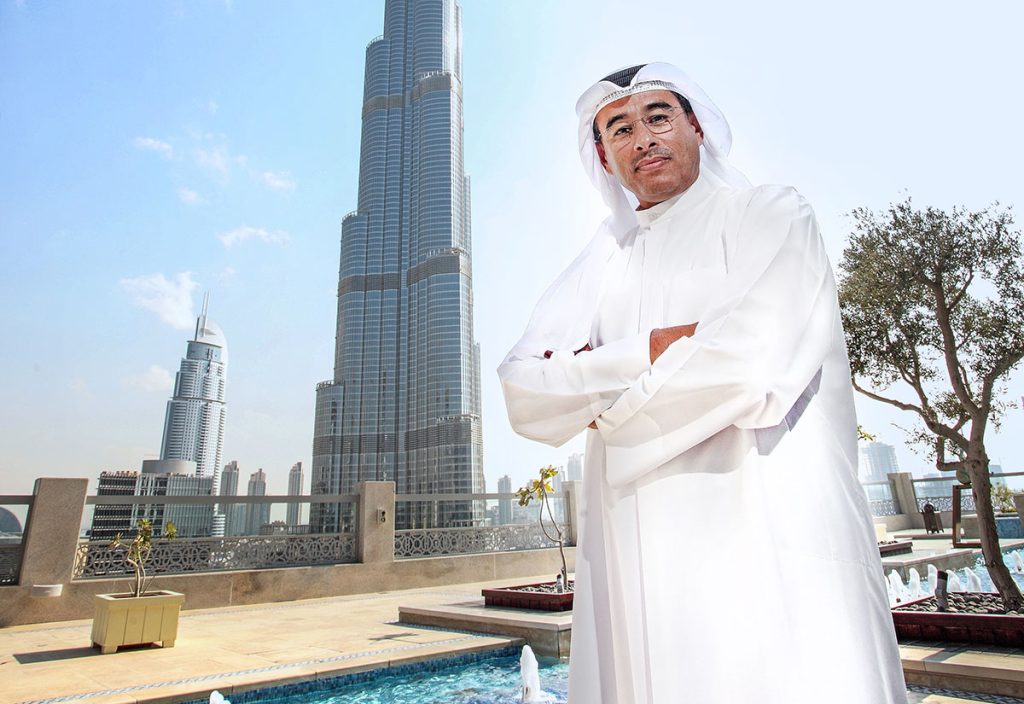
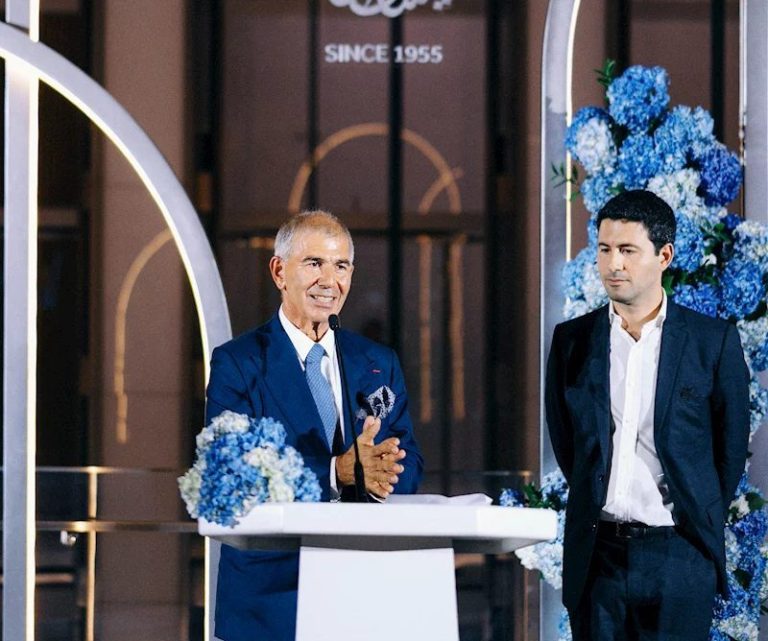
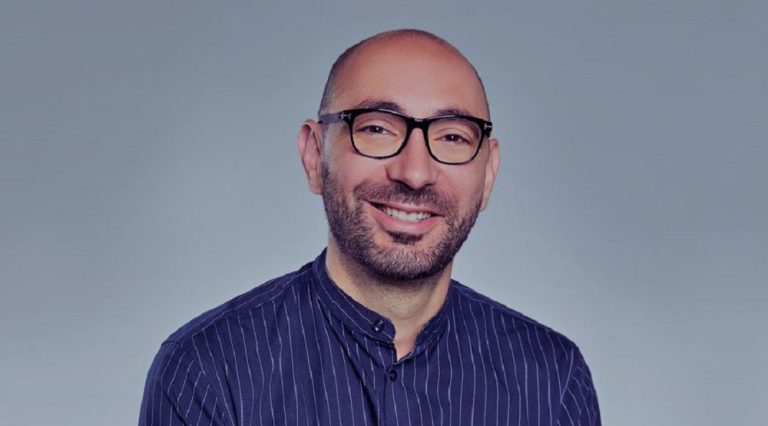
Mohamed Alabbar‘s path to founding Emaar ran through the institutions building modern Dubai’s economy. He began his career at the UAE Central Bank as Manager of Banking Supervision, then was appointed Director General of Dubai’s Department of Economic Development, a role focused on modernising and structuring the emirate’s economy during a period of major transformation.
That background shaped Emaar from its earliest days. When Alabbar founded the company in 1997, he carried years of experience in economic policy and city-building into a private venture. Emaar went public on the Dubai Financial Market in 2000, already operating on a founding logic aimed at building a city with ambitions to become a global destination.
The Defining Projects
Emaar’s founding established its purpose, and the Burj Khalifa gave that purpose a shape the world could recognise.
The tower rose over Downtown Dubai through years of construction that many outside the region watched with a mix of curiosity and disbelief — a building tall enough to be visible from across the city. It gave Dubai an image the rest of the world could recognise instantly, and gave Emaar a project the company would be measured against for the rest of its history.
Dubai Mall followed the same instinct at ground level. Rather than build a shopping centre, Emaar built a destination — one that folded retail, an aquarium, an ice rink, and a direct link to the Burj Khalifa into a single sprawling complex designed to hold a visitor’s attention for an entire day and even long after they have left the Mall. It became one of the most talked-about retail destinations in the world.
Together, the two projects did something more lasting than earning headlines. They set the terms for what a major development in Dubai was supposed to look like, and cemented Emaar’s reputation as one of the defining developers of modern Dubai.
Reading Emaar as a Proxy for Dubai
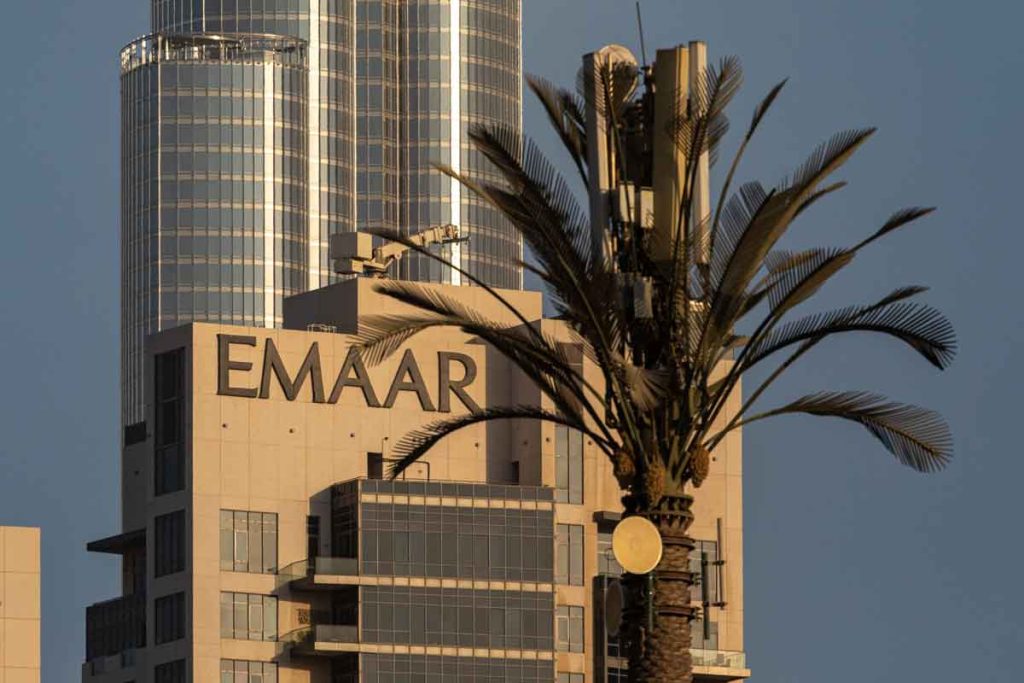
For those watching Dubai’s property market, Emaar remains one of the clearest companies through which to read the city’s growth. Its business runs through much of what people experience in Dubai day to day — residential communities, retail, hotels and leisure — while its international operations extend that reach beyond the emirate. Watching Emaar closely often means watching how investors are pricing Dubai’s growth more broadly.
That connection has limits. Emaar’s results depend on individual project launches, property prices, its international markets and its recurring-income businesses, so no single quarter captures the full picture of Dubai around it. But the company’s scale makes it hard to separate from the city’s broader real — estate story.
2026 made that connection especially visible. Emaar closed a strong 2025 and carried that momentum into the new year, and in June the company announced a major master-planned development in Dubai, widely read as a signal of confidence in the emirate’s resilience.
Betting on the Next Cycle
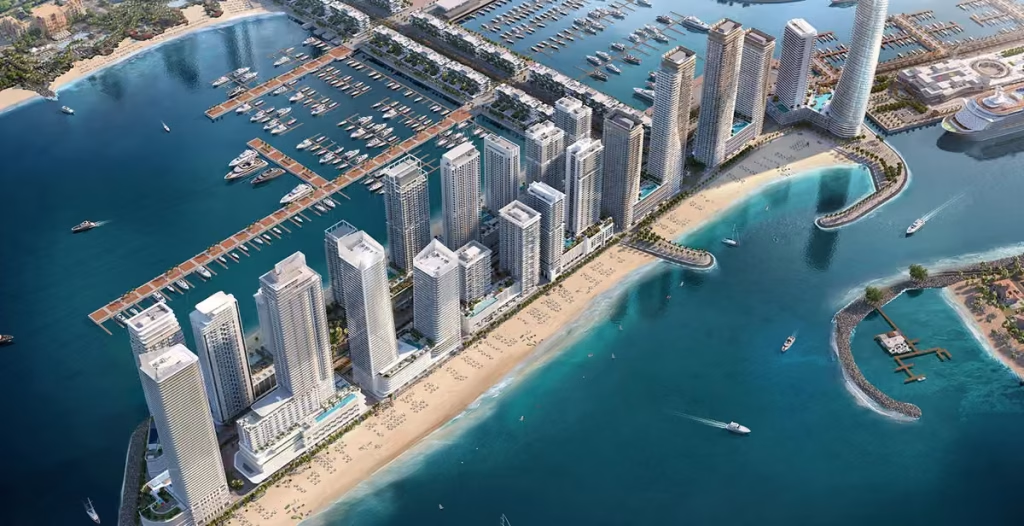
Nearly thirty years after Mohamed Alabbar left a career in economic policy to build a single company, the same instinct still runs through everything Emaar does. The company moved early, shaped what Dubai would become, and built the projects that gave everyone who came after a reason to follow.
For investors, that history offers something rare: a thirty-year record of what it looks like to back a market before its story has been told. Dubai has since answered that question on its own.
Emaar’s history offers a lesson less in luxury real estate than in the discipline of arriving early. For capital searching for the region’s next growth story, that instinct may prove worth more than the skyline it left behind.
Read later
Share