The Scent of Exclusivity: A Guide To Modern Men’s Fragrance
 Read later
 Share
Share
Across the Gulf, fragrance has long carried meaning beyond personal use, tied through oud, attar and incense traditions to hospitality, ceremony and gifting. That history gives fragrance a particular weight in the region, where familiarity with oud and other traditional materials can make Western perfumery feel like a reinterpretation rather than an introduction.
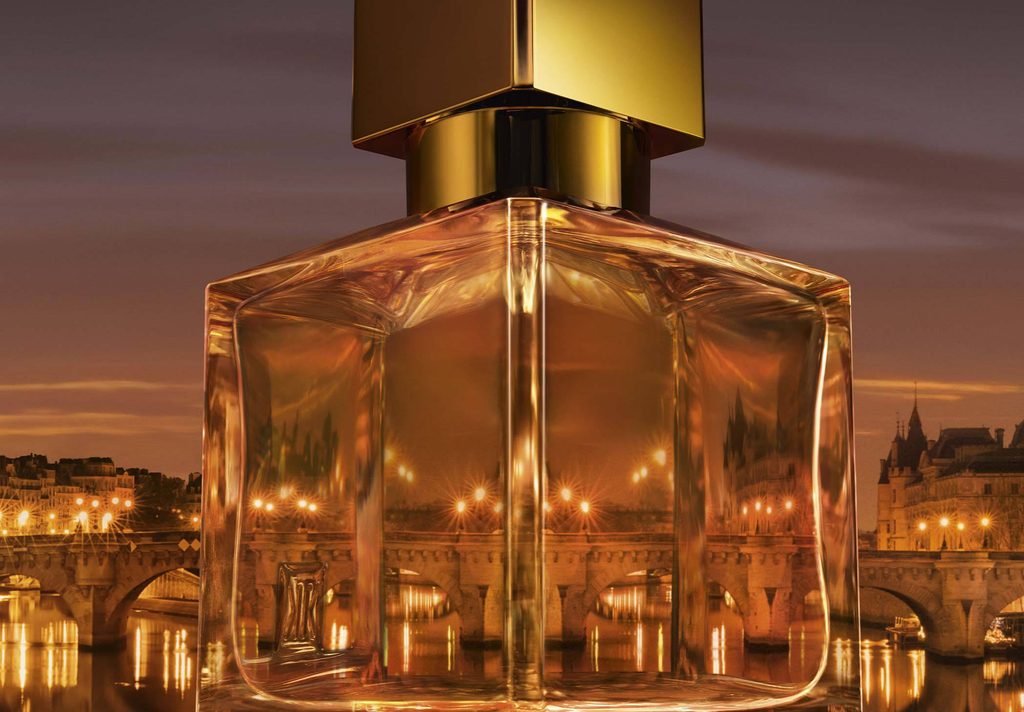
For collectors, the appeal of niche fragrance runs deeper still. A fragrance from a department store counter is available to anyone who can afford it. A fragrance built in small batches, tied to a single perfumer, or made with materials too difficult or costly to produce at scale offers a different kind of exclusivity, built on provenance, authorship or scarcity rather than price.
The Gift Of Kings
Amouage carries a founding story unlike most houses. Founded in Oman in 1983 by Sayyid Hamad bin Hamoud Al Busaidi, the house set out to revive Oman’s long association with incense and perfumery on an international stage. French perfumer Guy Robert was commissioned to create its original fragrance, Gold, built around frankincense, myrrh, jasmine, rose and native woods. The house took the title “The Gift of Kings,” and “Gold Man” was presented by Sultan Qaboos as a gift to kings and princes around the world.
That heritage shows even in the smallest details. The men’s bottle takes the form of the traditional khanjar dagger, and the women’s echoes the dome of the Sultan Qaboos Grand Mosque, keeping Omani identity present down to the object itself. For the Gulf Arab reader, this is what separates Amouage from houses that simply use oud as a raw material: the ingredient here is inherited, not borrowed. For the serious collector further afield, the appeal sits closer to history- a fragrance commissioned by a sultan, shaped by decades of continuity, carries a weight no season’s marketing campaign can replicate.
Amouage opened its first Dubai Mall store in September 2023, placing the house’s most significant regional retail presence, outside Oman itself, directly in the city its Gulf clientele knows best.
The Weight Of A Single Note
Oud sits at an intersection for the Arab reader turning to Western niche perfumery. It is a material he already knows intimately, burned in majlis rooms and worn since childhood in forms far removed from a bottle.
Maison Francis Kurkdjian‘s Oud Satin Mood, created in 2015, builds around Laos agarwood softened by Bulgarian and Turkish rose, rather than presenting oud as its dominant note, a composition its creator described as an attempt to translate the material’s weight into something closer to fabric than smoke. For a wearer raised on oud in its more traditional form, the result reads less as authenticity and more as reinterpretation, oud filtered through a French sensibility rather than an Arabian one.
Elegance Without Translation
Not every house worth this reader’s attention works with oud at all, and two of the most distinctive operate on entirely different premises.
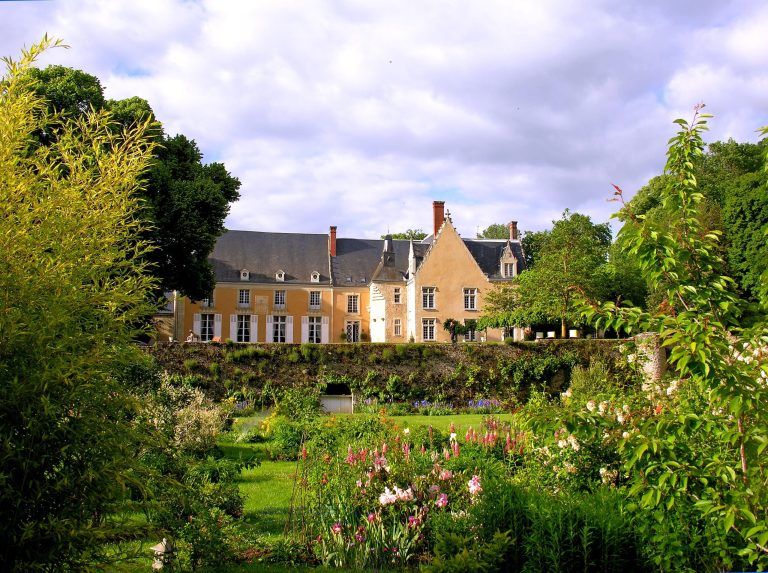
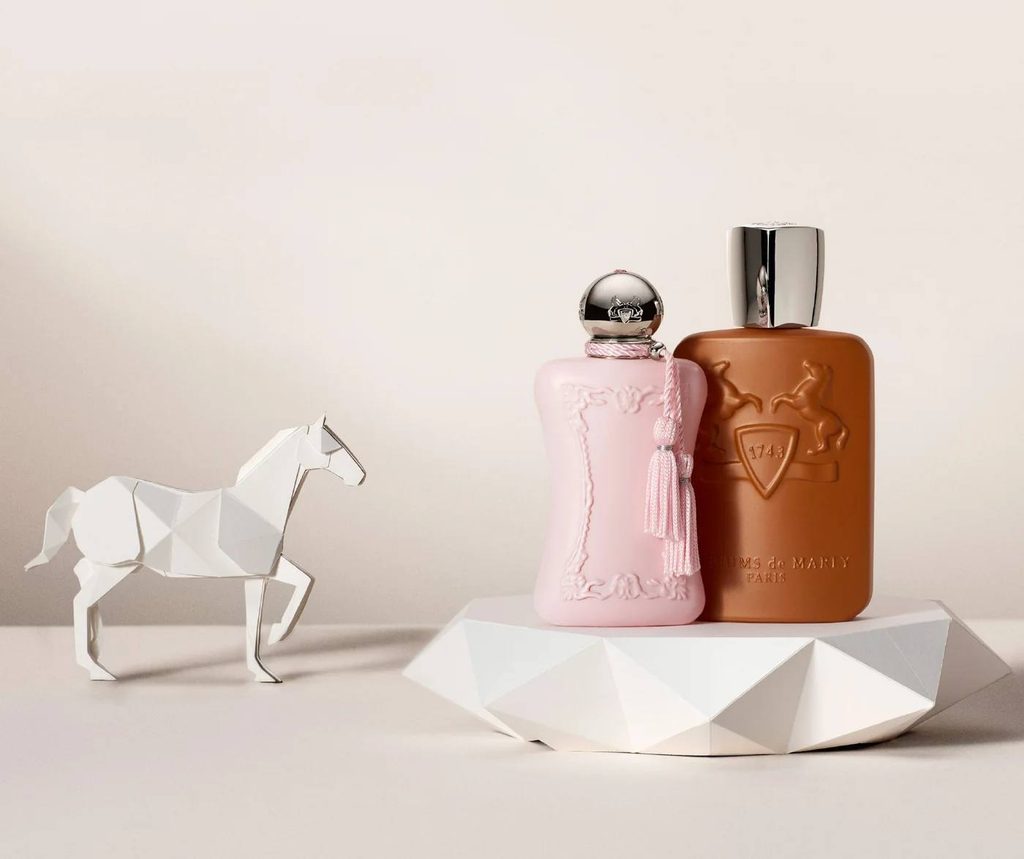
Parfums de Marly, founded in 2009 by Julien Sprecher, draws its inspiration from the world of Louis XV, particularly the Château de Marly and the fragrance culture surrounding the French court, known as the “Perfumed Court.” Fragrances such as Layton and Herod carry that historical richness into compositions built for presence and recognisable character.
Editions de Parfums Frédéric Malle took the opposite approach. Founded in 2000, the house was built around the idea of the perfumer as author, putting the creator’s name directly on the bottle at a time when perfumers were largely anonymous to consumers. Malle gives its perfumers extensive creative freedom, access to the finest raw materials, and the time to develop a composition without commercial constraints. The result treats perfume as an authored work rather than a conventional brand product, producing compositions such as Portrait of a Lady and Musc Ravageur. For a collector who values authorship as much as ingredients, it is the clearest expression of that idea.
What Actually Makes A Fragrance Worth Owning
For a serious collector, the distinction need not come down to price. A fragrance’s appeal lies in how difficult its combination of authorship, materials and production is to reproduce: whether it was created by a named perfumer with real creative freedom, whether it draws on rare or costly materials, or whether it exists in quantities small enough to make its origin part of the appeal.
Marketing exclusivity announces itself through packaging, pricing and campaign language, while offering little that a determined buyer with enough money cannot simply acquire. The fragrances worth building a collection around offer something more substantial: Amouage’s royal history, Malle’s perfumer authorship, or the distinctive materials and traditions of houses working outside the constraints of mass production. The point isn’t simply rarity. It’s understanding what makes a fragrance particular before deciding what makes it worth owning.
Five Fragrances Worth Knowing Right Now
Amouage (Oman) – Interlude Man – Created by perfumer Pierre Negrin, it opens with bergamot, oregano, and pimento berry before moving into amber, frankincense, cistus, and opoponax, and settling into leather, agarwood smoke, patchouli, and sandalwood. Amouage’s Omani royal heritage gives it standing across the Gulf.
Rasasi (UAE) – Hawas For Him – Opening with apple, bergamot, lemon and cinnamon, developing through cardamom, plum and orange blossom, and closing on grey amber, driftwood, musk and patchouli.
Arabian Oud (Saudi Arabia) – Sultani – Opening with bergamot, developing through iris and freesia, and settling into musk, sandalwood and tonka bean.
Swiss Arabian (UAE) – Shaghaf Oud 985 – Opening with saffron and oud, deepening through rose and praline, and closing on oud and vanilla. A Dubai-based house with deep regional roots, and also named a top seller and top-rated fragrance in both Dubai and Riyadh for 2025.
Xerjoff (Italy) – Five – A Dubai boutique exclusive created in honour of the UAE, opening with coriander, bergamot, pink pepper, saffron and dried fruit, developing through oud and rose, and settling into cedarwood, ambergris, oakmoss, vanilla and tonka bean. While Xerjoff is an Italian house rather than a Gulf-based perfumer, Five earns its place here for its direct connection to the UAE and its use of the rose-and-oud pairing associated with Arabic perfumery.
The Last Note
The collector who looks beyond what a bottle announces is ultimately looking for the story behind it: who made it, what materials shaped it, what traditions informed it, and how difficult that particular combination would be to reproduce.
Amouage’s royal history, Malle’s perfumer authorship, and the region’s own houses working with oud and incense in their own ways all point toward the same idea. The fragrances worth returning to are often those with a story specific enough to belong to them. In a market full of “signature scents,” that specificity may be the rarest ingredient left.
Read later
Share