Stitched in the East: The Maisons that put the Arab world on the fashion map
 Read later
 Share
Share
From the ateliers of Arabia to the runways of Paris, these three houses have earned their place among the world’s greatest fashion names.
Paris has spent the better part of a century deciding who gets to call themselves couturiers. Three names from the Arab world changed the terms of that conversation. Elie Saab and Zuhair Murad built their reputations from ateliers in Beirut long before Hollywood and European royalty came looking for them. Mohammed Ashi, raised in Saudi Arabia and schooled in the same houses that shaped his predecessors, became the first designer from the Gulf admitted to the official Haute Couture calendar. Together, their work has quietly redrawn the map of who gets invited to fashion’s most exclusive rooms and where that talent is allowed to come from.
Other houses share that same stage. Georges Hobeika has held a place on the official fashion calendar for years, his draped, jewel-toned gowns a fixture of award-season red carpets. Rami Al Ali became the first Syrian designer admitted to the roster, presenting a collection built around his country’s endangered handicrafts. Beyond Paris, names like Reem Acra and Tony Ward have built equally global followings, dressing decades of red carpets from New York to the Gulf – proof that the region’s couture ambitions extend well past the three houses currently in discussion. Atelier Prive takes a close look at the fashion giants.
Elie Saab
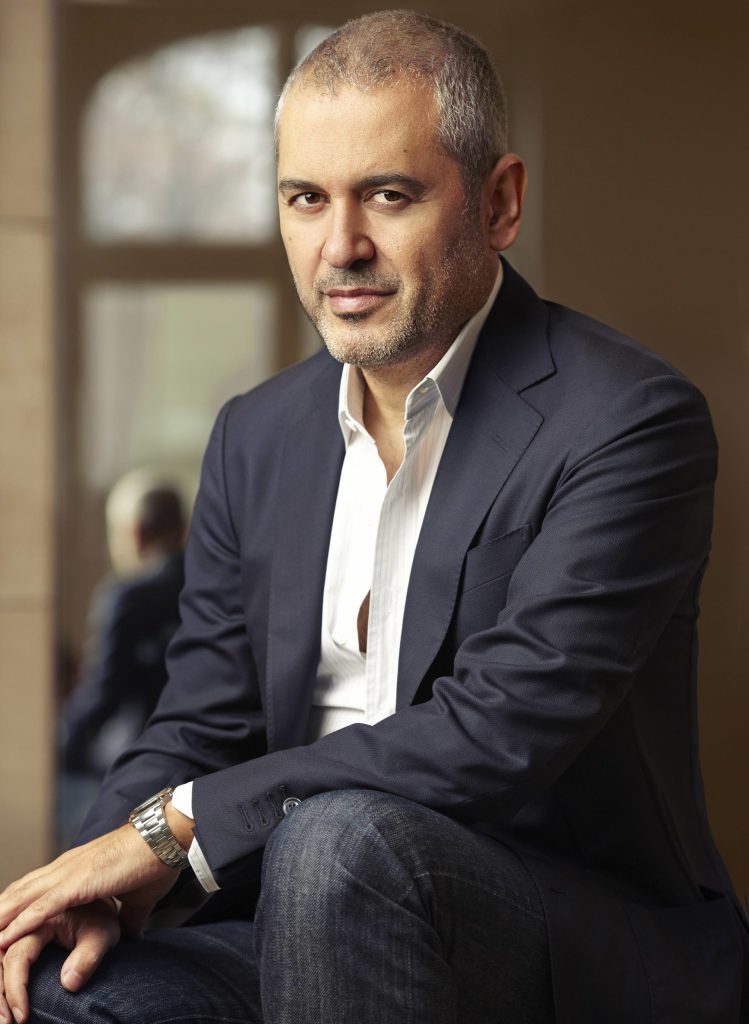
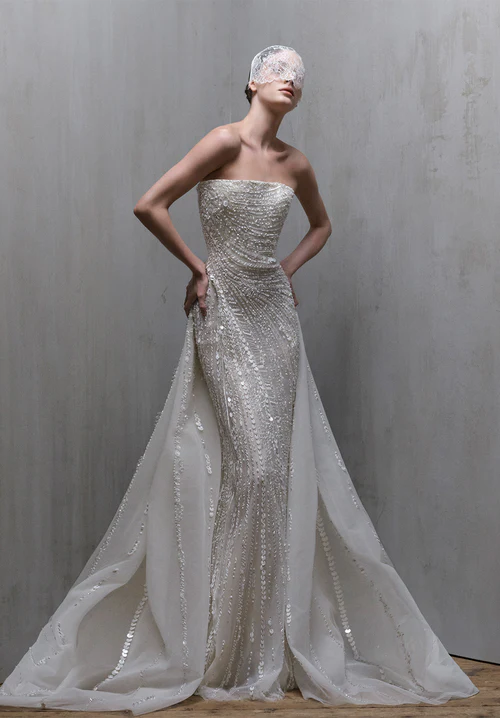
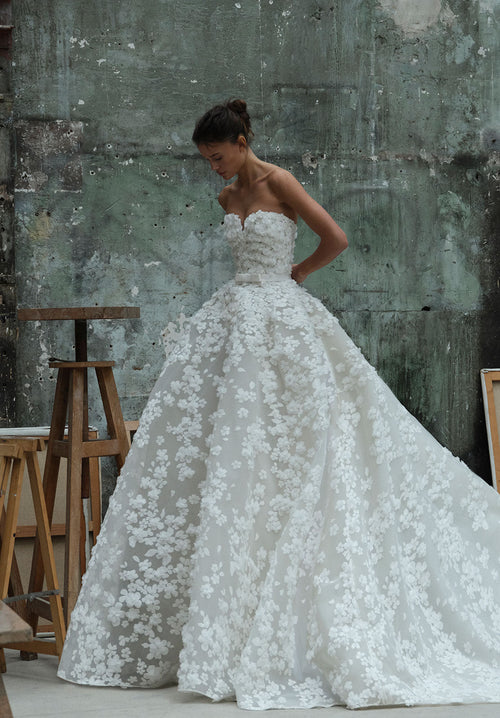
No Middle Eastern name travels further in the world of haute couture than Elie Saab. The Lebanese designer opened his first atelier in Beirut at eighteen, and what followed across four decades is one of fashion’s most unlikely and complete ascents. By 1997, he had become the first non-Italian member of Italy’s Camera Nazionale della Moda; by 2003, following an invitation from the Chambre Syndicale de la Haute Couture, he debuted his first on-schedule collection in Paris – making him one of the very few non-European designers ever granted full membership of that body.
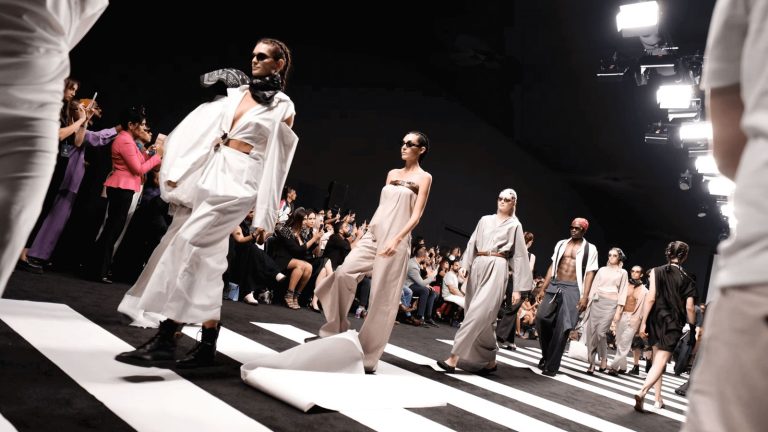
Halle Berry at the 2002 Oscars and the 1001 Seasons of the Elie Saab Show (Riyadh, 2024)
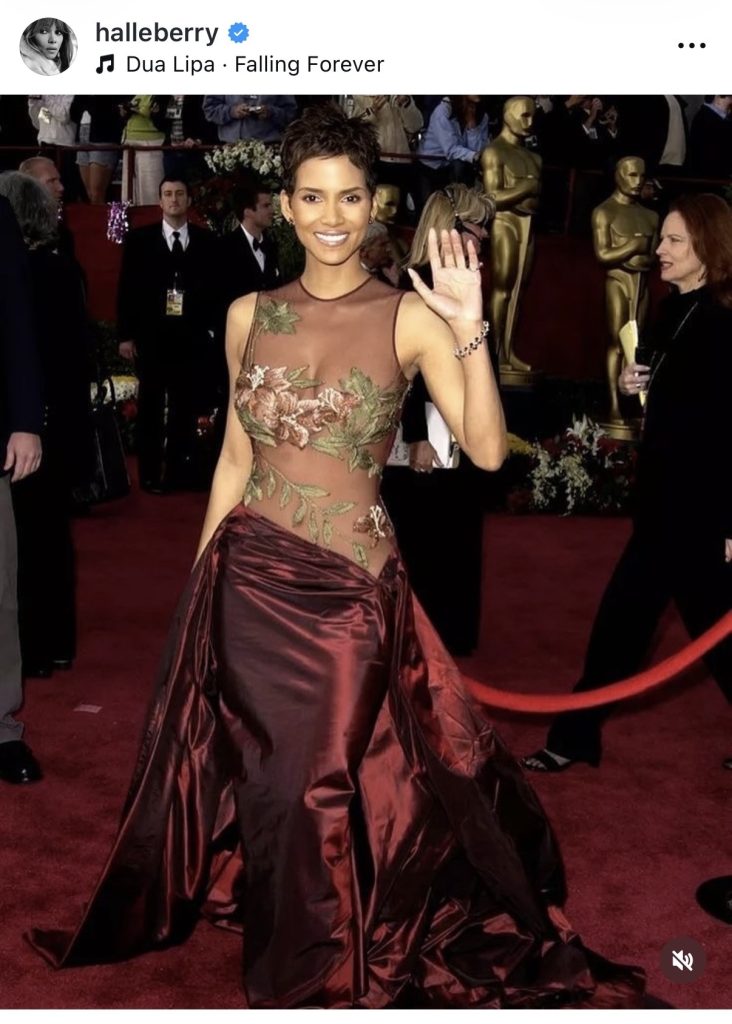
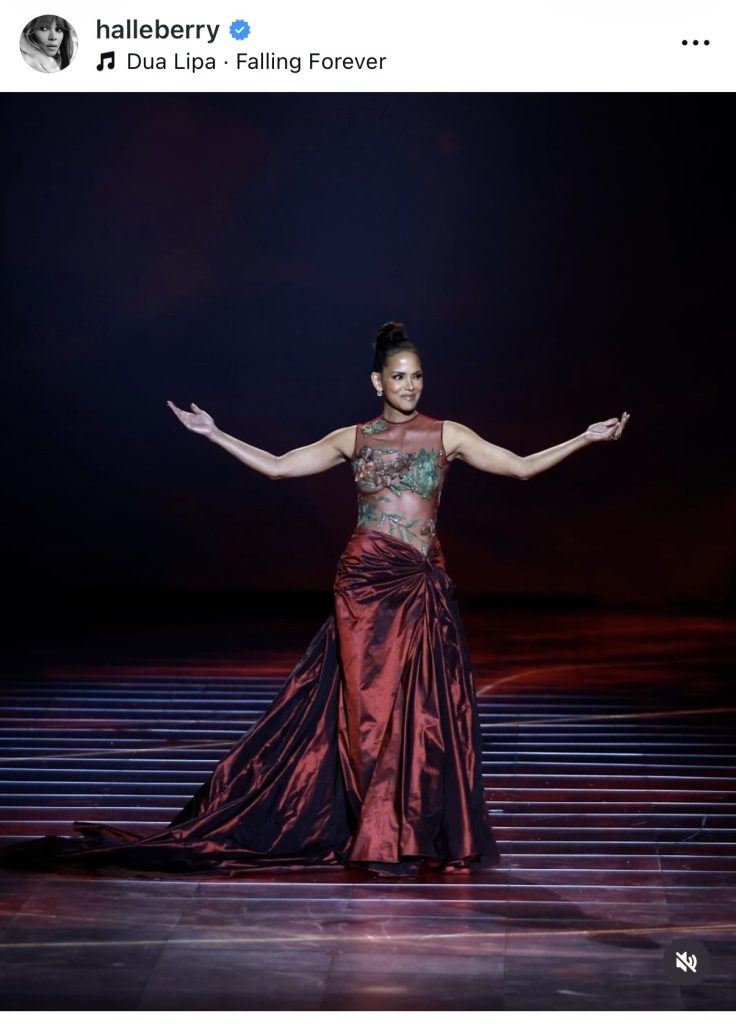
The moment that changed everything came in 2002, when Halle Berry accepted her Academy Award for Best Actress in a draped, sheer-panelled Saab gown. The image travelled the world and transformed a Beirut couturier into a global name overnight.
Kate Middleton at the Royal Ascot in periwinkle blue Elie Saab
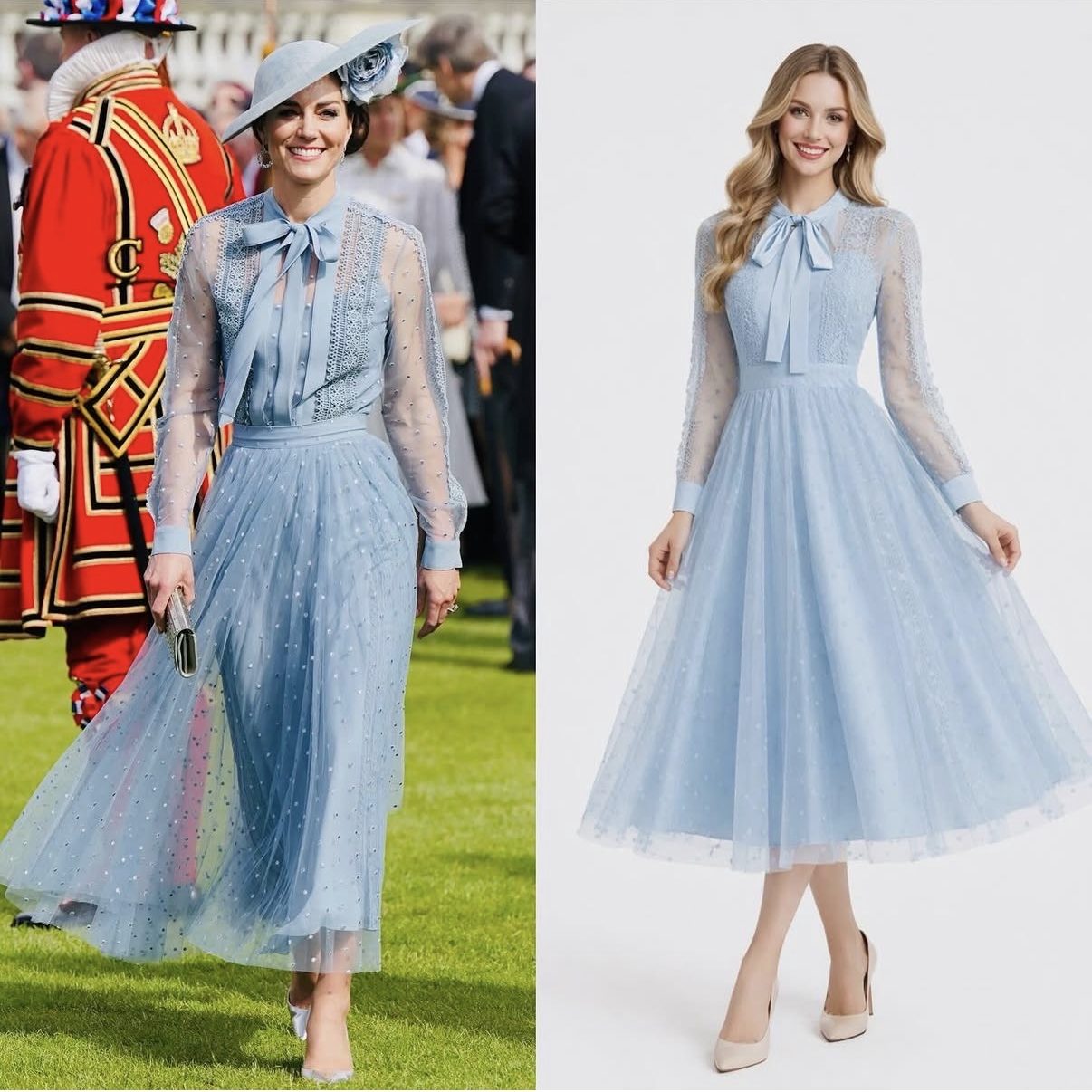
Since then, the house has dressed Queen Rania of Jordan, the British Royal family, and Hollywood royalty across every major red carpet. Its ateliers in both Paris and Beirut continue to produce twice-yearly couture collections on the official FHCM calendar, each one built around the hallmarks that have defined the maison from the start: intricate embroidery, sculptural silhouettes, and an almost architectural command of sheer fabric.
Check out the designer here.
Zuhair Murad
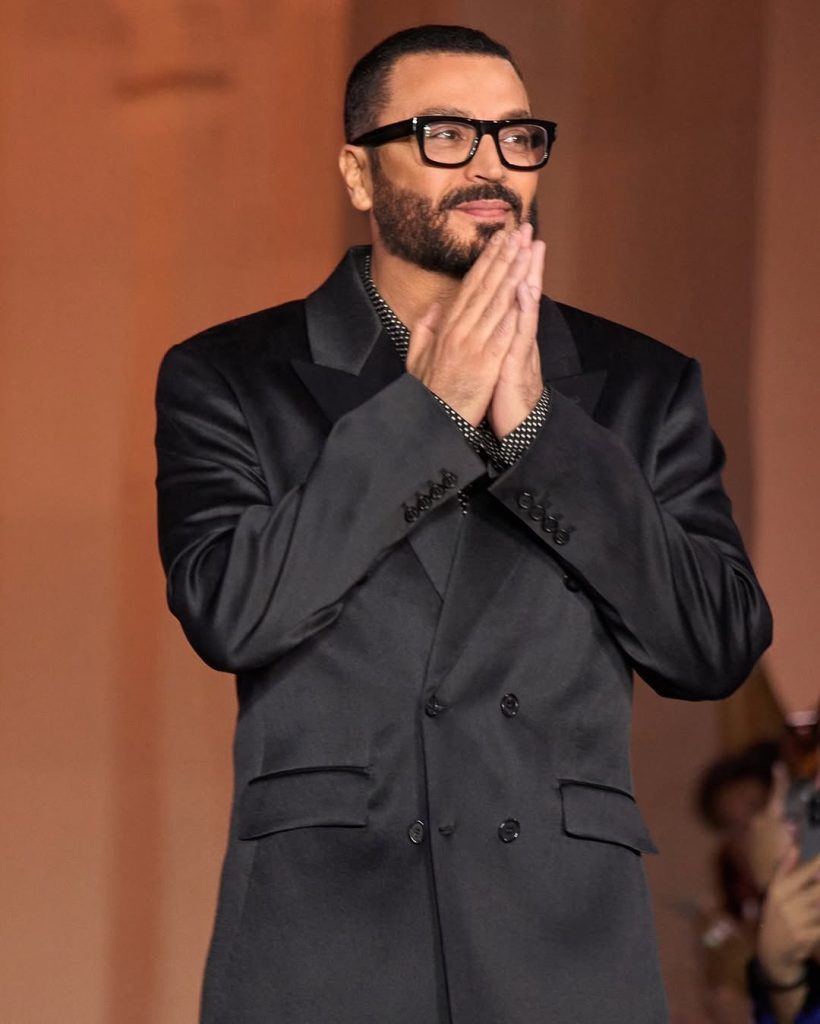
Zuhair Murad has built his reputation on a very specific kind of glamour: luminous, sensory-rich, and unapologetically opulent. Born in Ras Baalbek in Lebanon, he studied fashion in Paris before establishing his label in 1995 and becoming a regular at Paris Haute Couture Week from 2001 onwards.
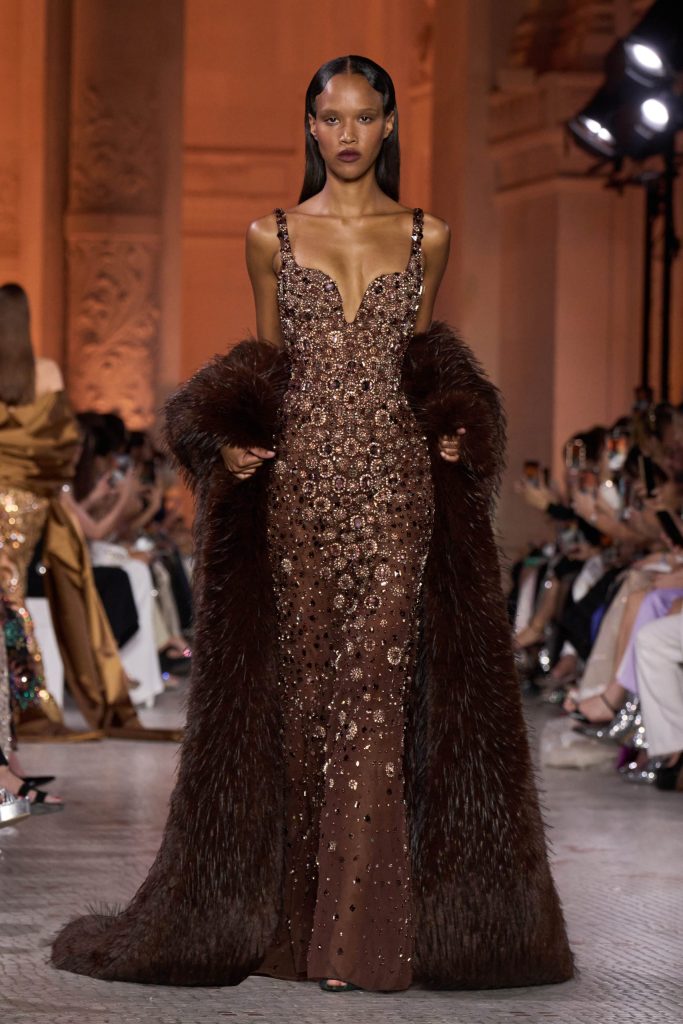
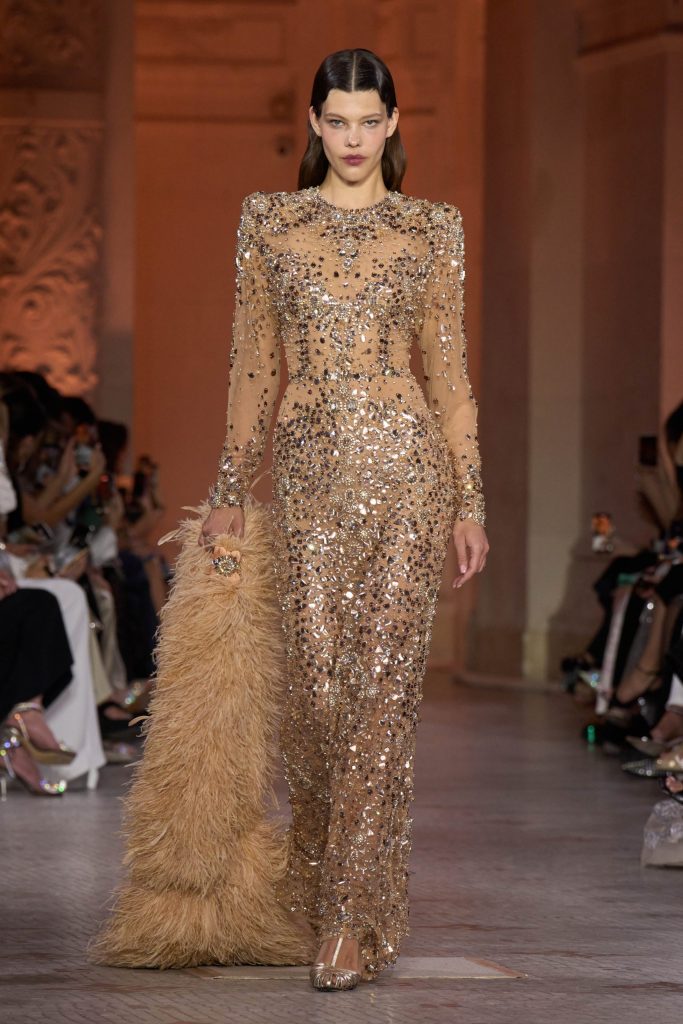
His work is perhaps the most internationally celebrity-facing of the three maisons considered here – gowns by Murad have appeared on Jennifer Lopez, Beyoncé, and a roll call of global stars at the Oscars, Cannes, and the Met Gala.
Sofia Vergara at Oscars Vanity Fair party and Eva Longoria at Cannes Film Festival
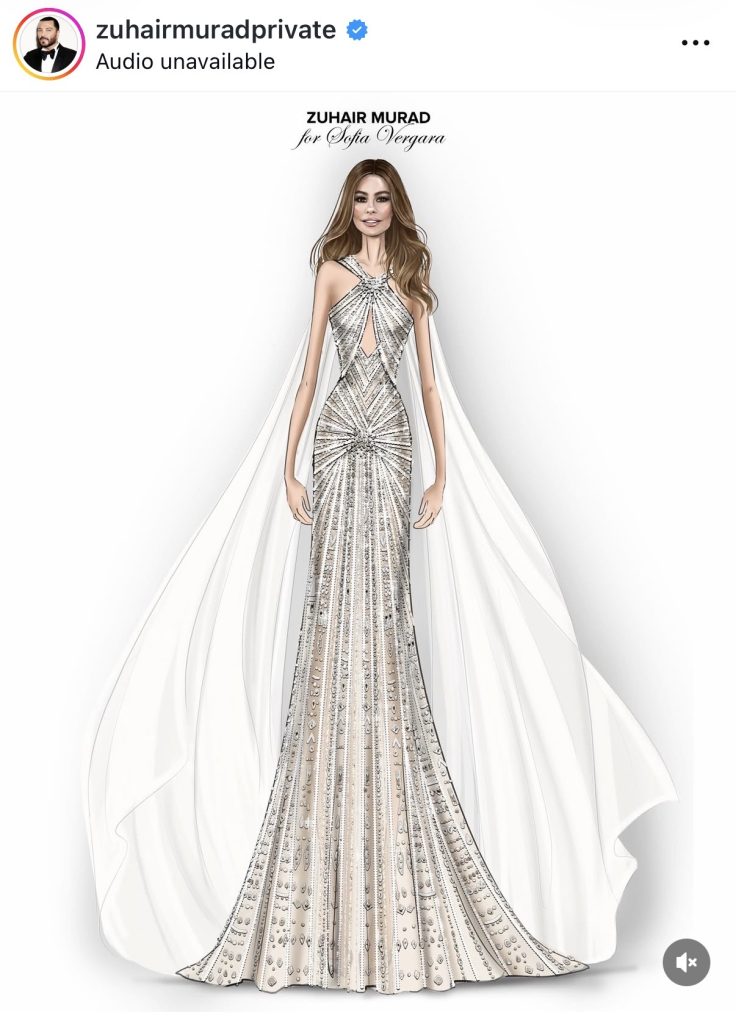
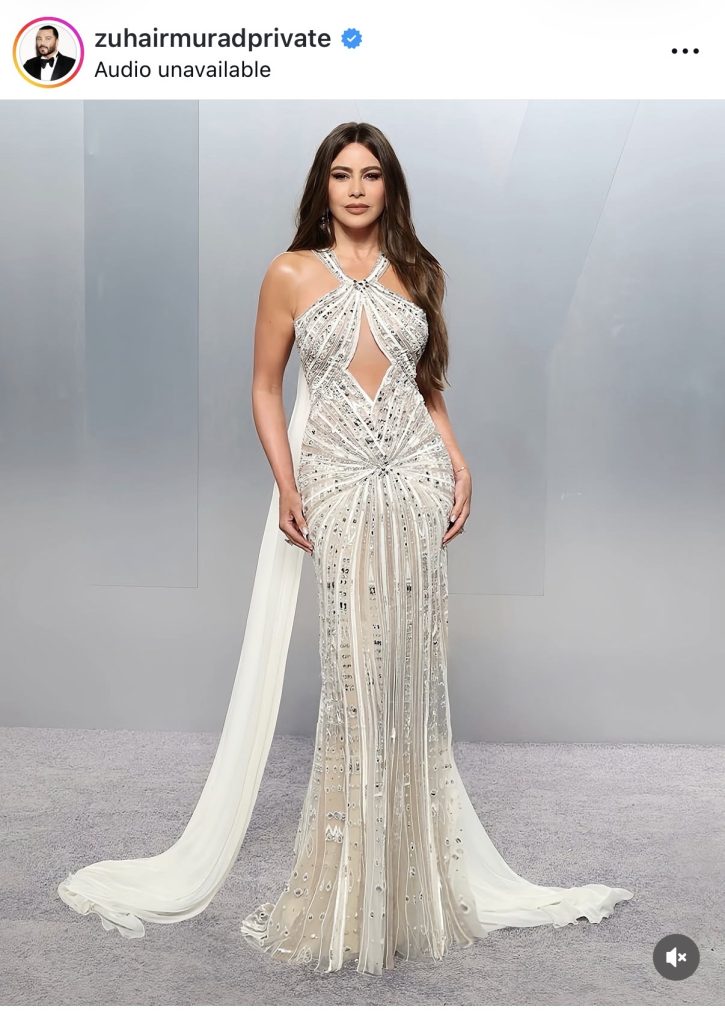
His couture signatures are unmistakable: deep decolletages, cascading embellishment, and a particular genius for working with gold and silver – graduating from the almost-translucent to deep pewter in a single collection.
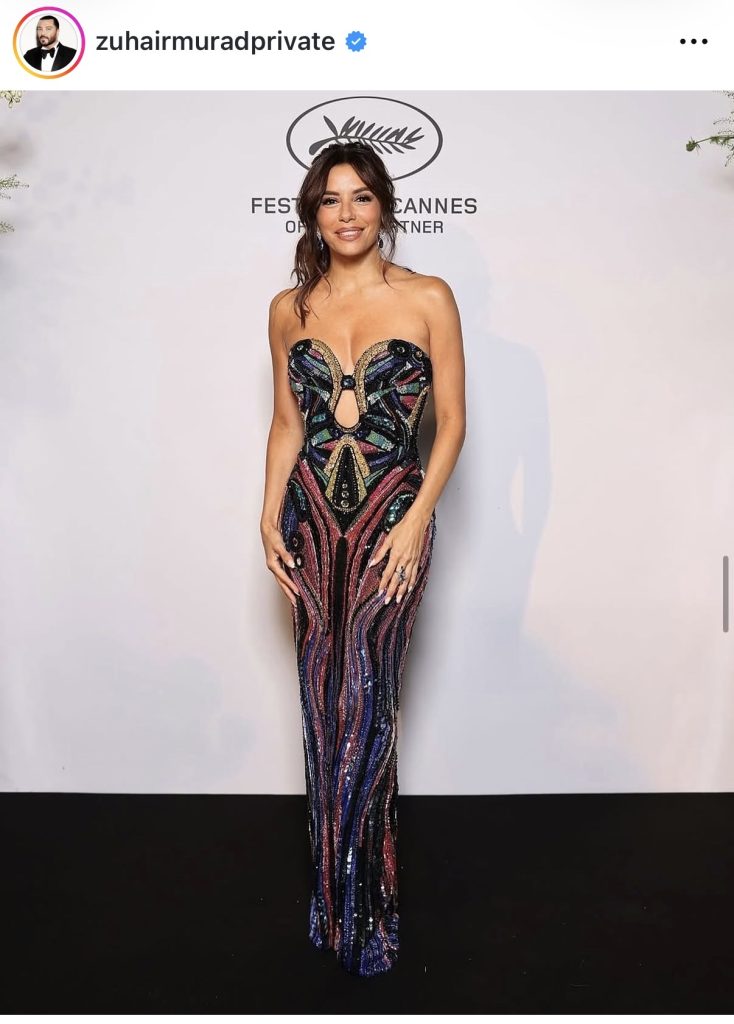
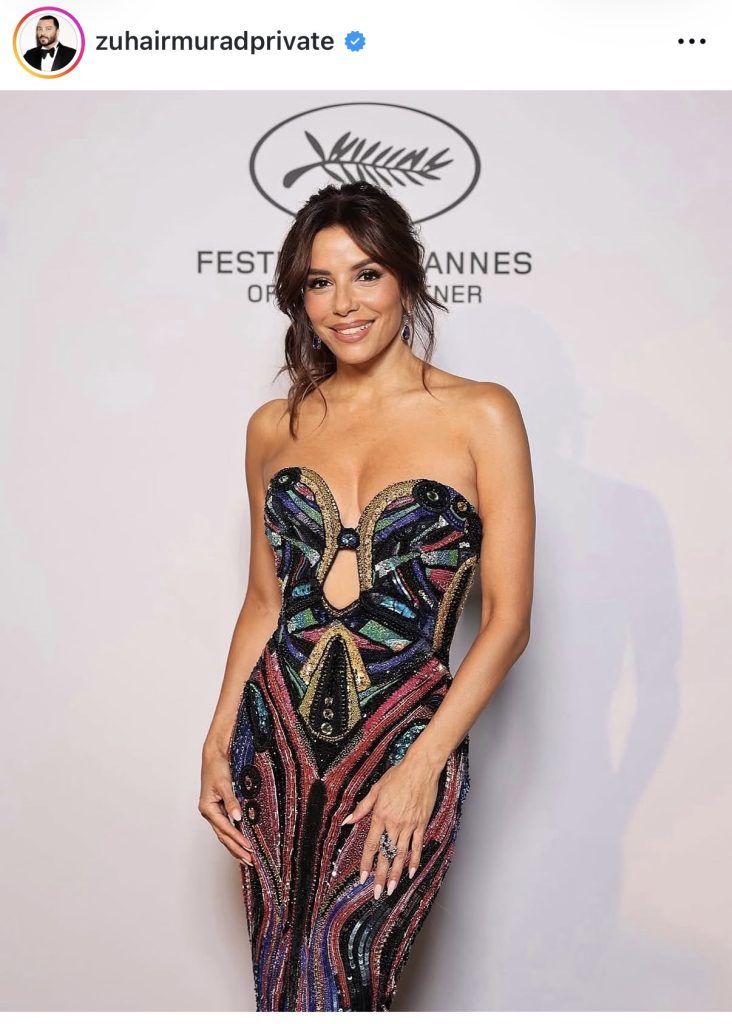
It is couture that understands spectacle without sacrificing craft.
Check out the designer here.
Ashi Studio
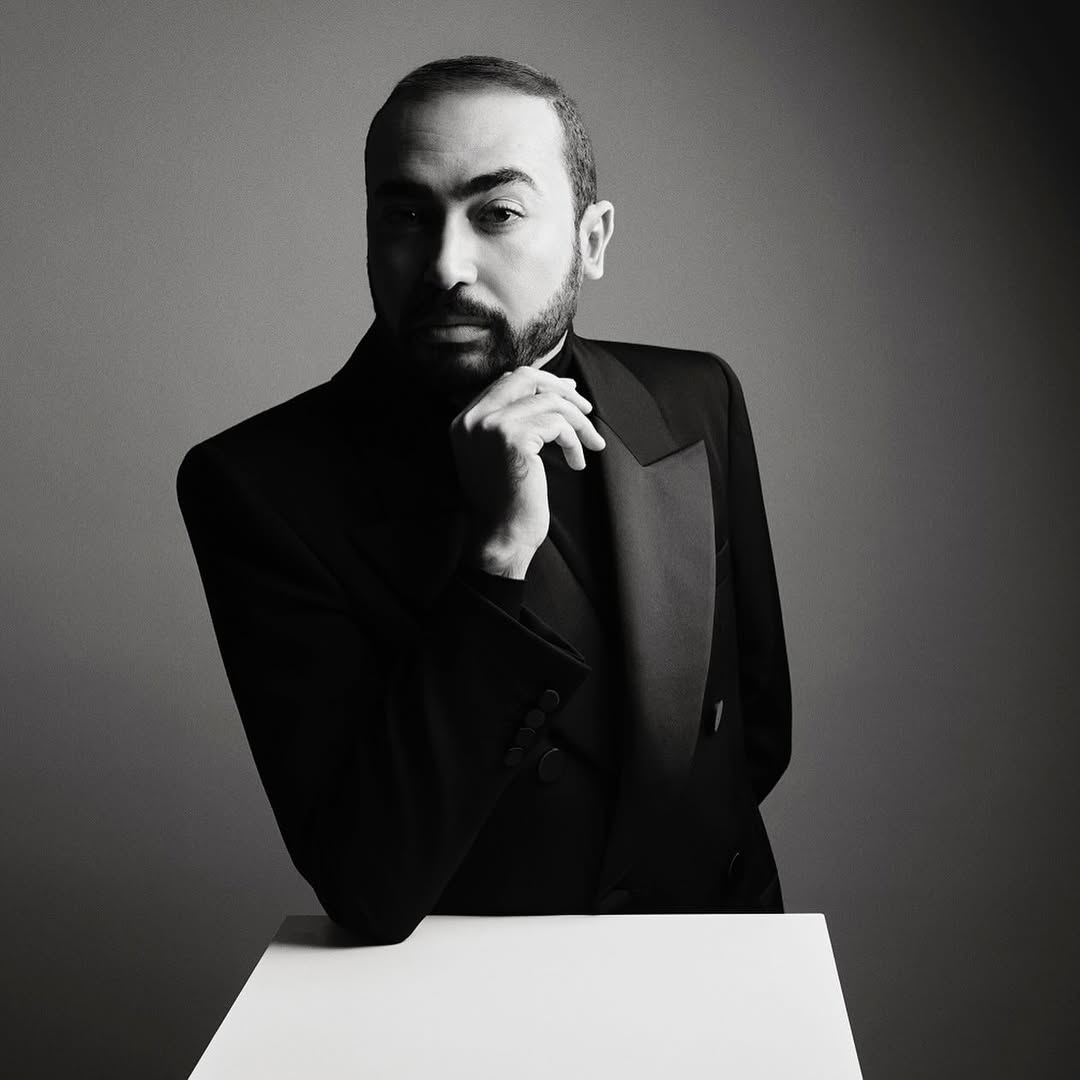
When Mohammed Ashi joined the Fédération de la Haute Couture et de la Mode as a guest member in July 2023, it was not merely a personal milestone – it was a geopolitical one. He became the first couturier from the Gulf region ever admitted to the FHCM, opening a door that had never existed before for a designer from the Arabian Peninsula.
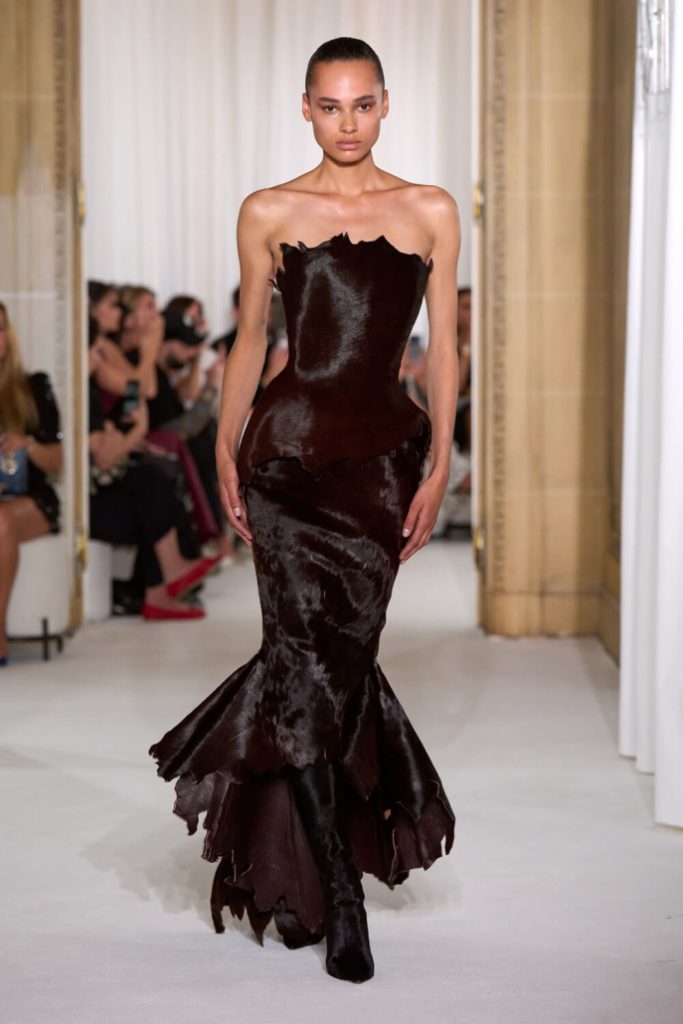
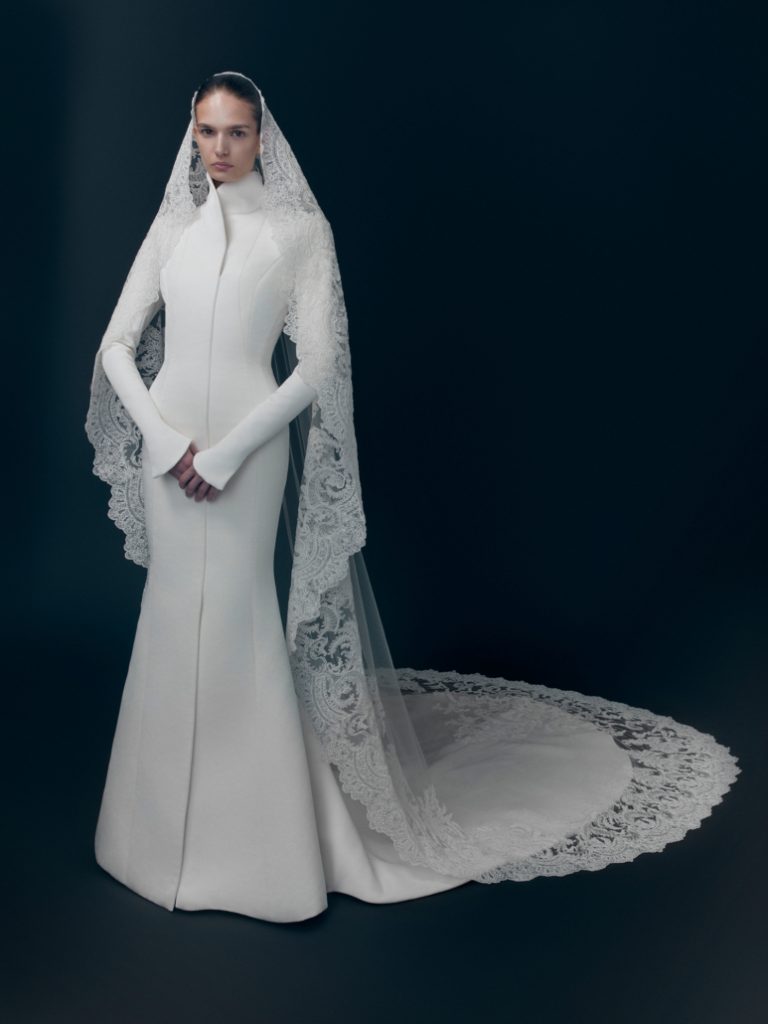
Couture FW 22-23 and Beyoncé wearing Ashi Studio for her performance
Ashi’s path to that moment was as disciplined as his aesthetic. Born and raised in Saudi Arabia, he studied fashion at Esmod in Paris before interning at Givenchy and then at Elie Saab – immersing himself in the technical and philosophical rigour of couture from the inside. He founded his label in 2007, built a loyal clientele across the Middle East, and then relocated his atelier to Paris in 2018, the move that set the final chapter in motion.
The house is defined by what the FHCM describes as “a harmonious fusion of baroque and minimalist currents.” Where other couture houses engage traditional embroidery workshops, he has expanded his circle of collaborators to include painters, hairstylists, and practitioners drawn from art and film. One corset in a recent collection incorporated locks of human hair, woven by hand over 600 hours.
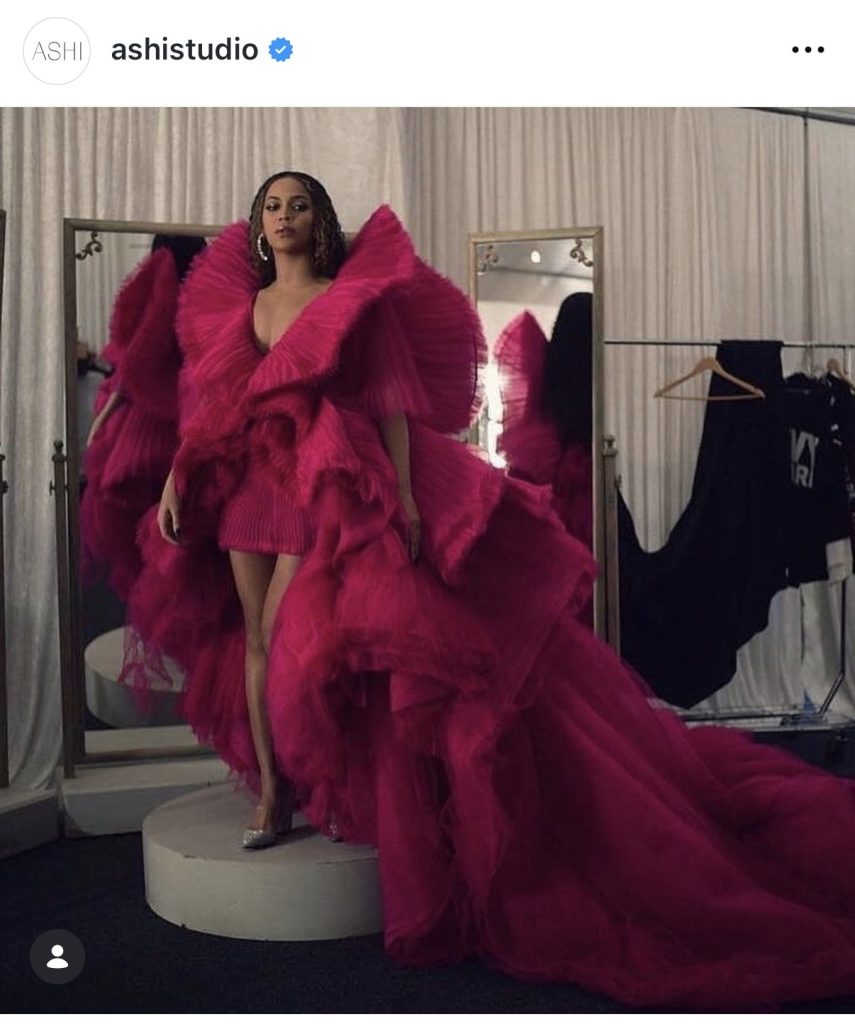
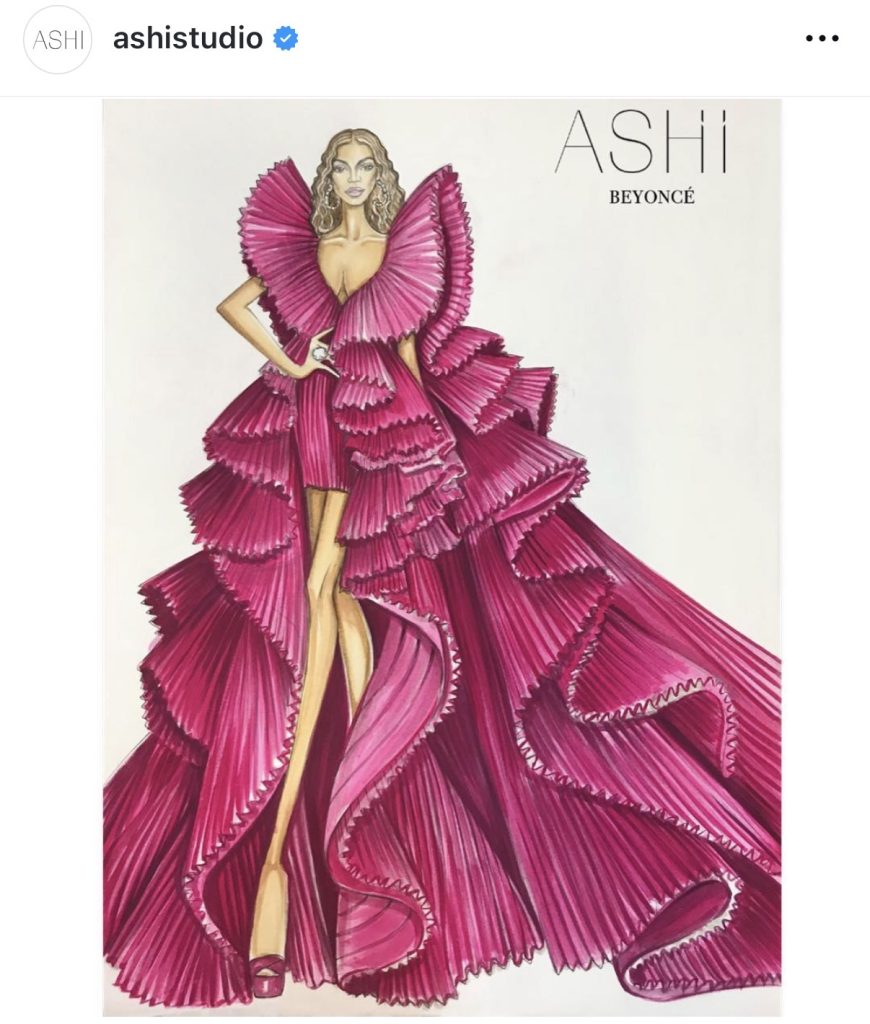
It is couture that understands its own history deeply enough to disrupt it. Beyoncé, Queen Rania of Jordan, Penélope Cruz, and Diane Kruger have all worn the house’s work, as have Zendaya and Billy Porter, a range that speaks to a vision of couture without demographic border.
Check out the designer here.
Read later
Share