From Oil to Pixels: The Gulf’s Shocking Takeover of Global Esports
 Read later
 Share
Share
The Gulf designed its entry into esports, funded it at a sovereign scale, and built the infrastructure to make that position permanent. The audience was already there.
Riyadh’s Esports Takeover
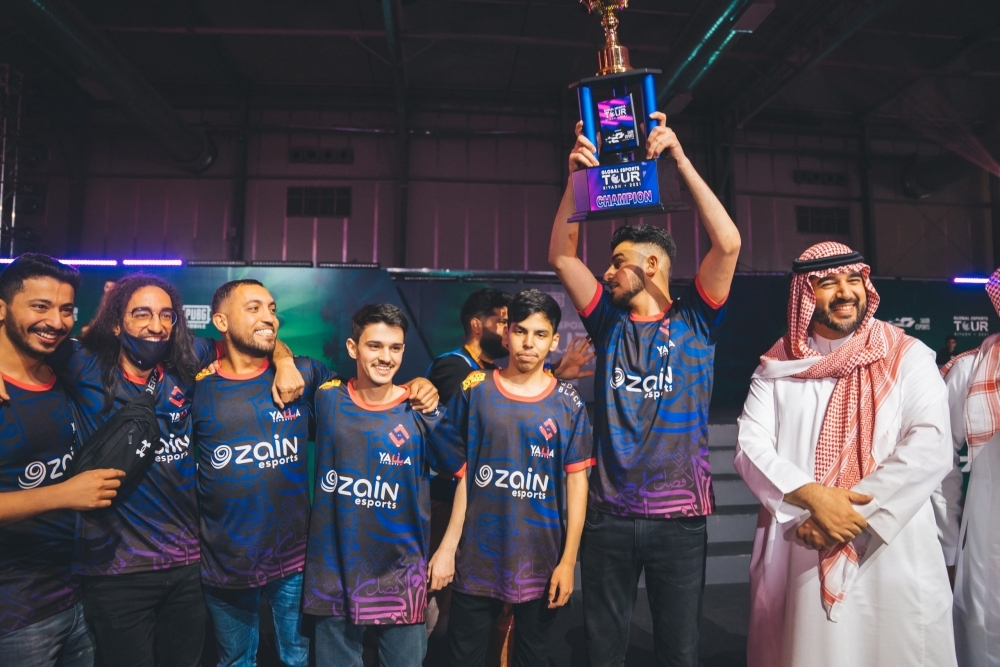
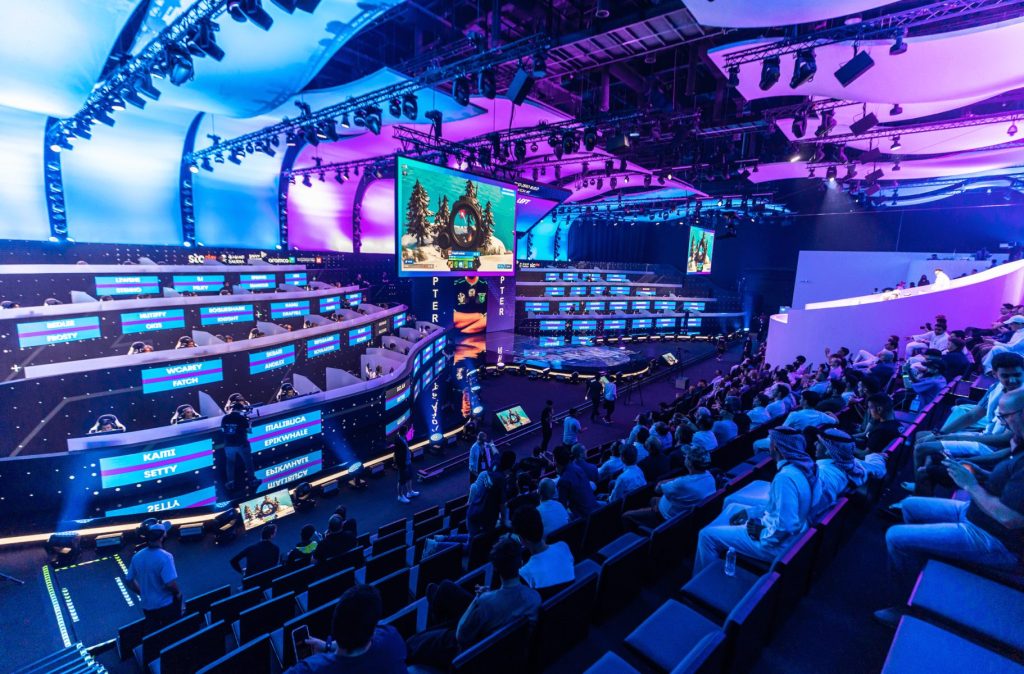
It is July in Riyadh, and the air inside Boulevard City smells of energy drink and ambition. Three million people will pass through these gates over the next seven weeks to watch some of the world’s best-paid athletes compete at something their parents never considered a profession: video games, played at the highest level, for prize money that rivals the most prestigious tournaments in traditional sport.
The 2025 Esports World Cup drew 750 million viewers worldwide and distributed $71.5 million in prizes — the largest purse in competitive gaming history. Its League of Legends tournament alone peaked at 7.98 million concurrent viewers. The organisation behind it is bankrolled by Saudi Arabia’s Public Investment Fund, a wealth vehicle approaching a trillion dollars in assets.
What has taken shape across Saudi Arabia and the UAE in the past four years is the systematic conversion of gaming into an instrument of economic transformation — and, increasingly, one of the most compelling emerging asset classes of the decade. The Gulf, instead of stumbling into esports, designed an entry, funded it at a sovereign scale, and built the infrastructure to make that position permanent. Understanding how requires following three threads simultaneously: the capital, the physical build-out, and the demographics that make both rational.
Who’s Playing: Meet the Female Esports Gamers
Every serious investment thesis begins with a population. Saudi Arabia is unusually legible: sixty per cent under thirty, near-total internet penetration, 23.5 million gamers treating video games as a primary mode of social life rather than a pastime.
A generation ago, that demographic was a political variable to be managed. Vision 2030 reframed it as an asset. The National Gaming and Esports Strategy, launched in 2022, channelled the energy Saudi youth were already spending on screens into an industry, a cultural identity, and a sovereign economic interest simultaneously.
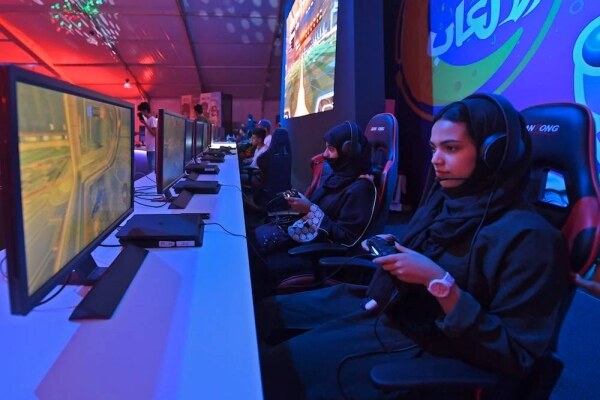
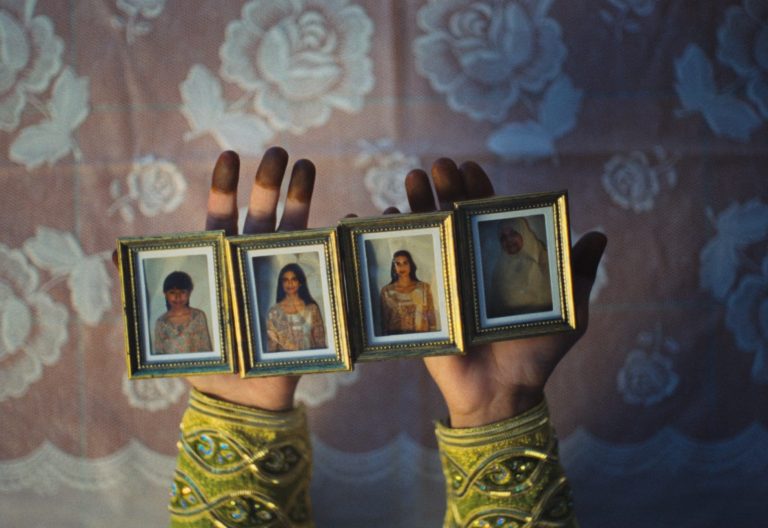
The gender composition of that base tends to captivate outside observers. Roughly half of Saudi Arabia’s gamers are women — outpacing global averages and corroding assumptions about the region. They participate because the sector serves them, and because the digital environment has historically given Gulf women room to move.
The UAE adds a different dimension: by some measures, the highest proportion of gamers relative to population of any country in the world. Wealthier and more internationally connected than Saudi Arabia, its gaming culture developed organically alongside a decade of investment in creative and technology industries.
Together, the two countries offer something rare — a large, affluent, digitally native audience with no legacy attachment to the media and sports categories competing for their attention everywhere else.
Saudi Capital vs. UAE Infrastructure
In 2022, Saudi Arabia committed $38 billion to gaming through Savvy Games Group — a figure that exceeded the entire global esports market at the time.
The UAE has taken another route to the same destination. Dubai’s free zones and Abu Dhabi’s regulatory environment have made the Emirates the preferred address for gaming companies seeking a regional foothold — Ubisoft, Tencent, and Sony among them. Saudi Arabia buys the industry. The UAE creates the conditions under which the industry relocates. Both approaches reflect each country’s comparative advantage.
Half-Million Square Meter Esports Empire
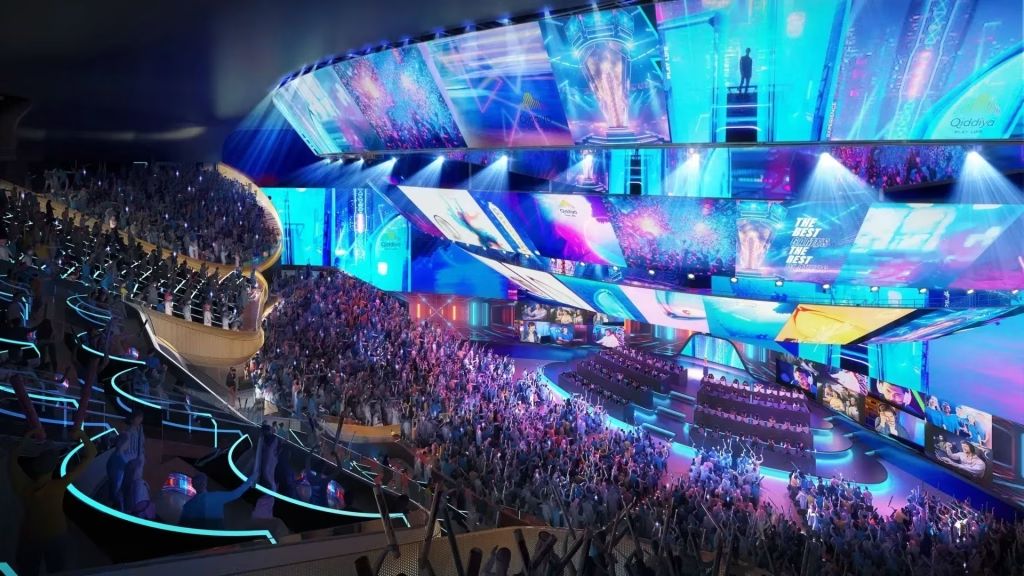
Qiddiya sits in the desert south of Riyadh, a city under construction. Within it, a Gaming and Esports District is taking shape across 500,000 square metres: four purpose-built arenas, regional headquarters for more than thirty major publishers, and an indoor LED large screen.
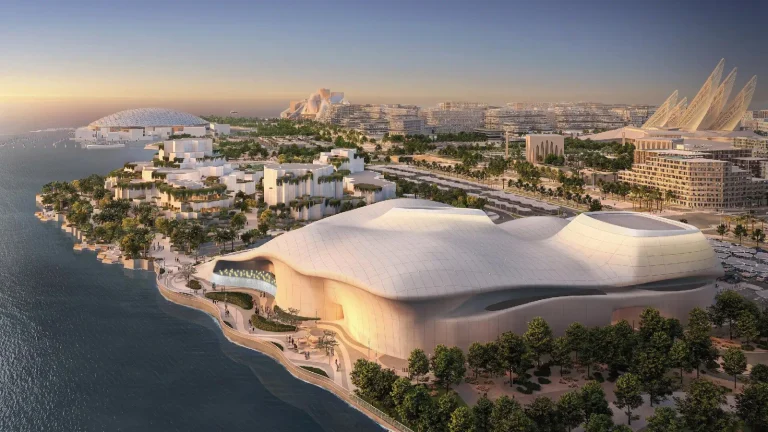
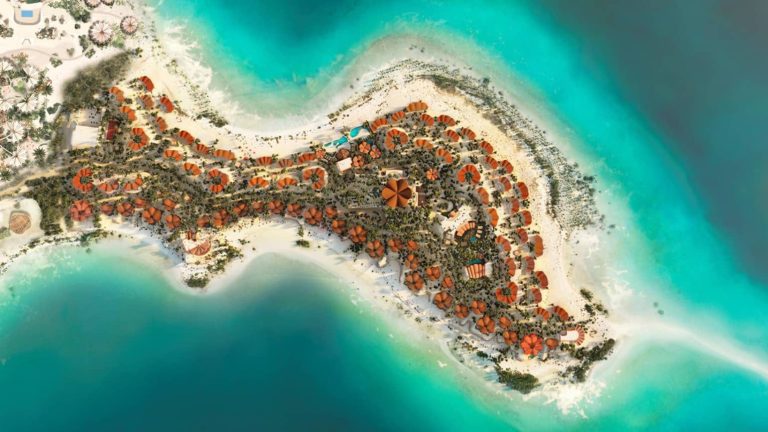
The scale of Qiddiya can obscure what is happening in the UAE, which is building its own answer with a different aesthetic. Along Abu Dhabi’s Al Raha Beach, between the Al Bandar and Al Dana developments, True Gamers is developing what would be the world’s first dedicated esports island. The project carries a projected value of one billion dollars at completion – a professional training facility stocked with performance infrastructure, a tournament arena capable of hosting global events and much more.
These are not venues. They are ecosystems — physical expressions of the belief that esports, to mature as an industry, needs the same permanent infrastructure that football needed when its first purpose-built stadiums replaced the borrowed fields of its early years. Dubai’s DMCC Gaming Centre already houses more than a hundred companies. Abu Dhabi’s twoFour54 has trained a generation of digital media professionals now entering the gaming workforce.
Olympic Interlude: Why the Gulf Outgrew the IOC
In July 2024, the IOC partnered with Saudi Arabia to host the Olympic Esports Games in a twelve-year agreement — the most significant institutional endorsement competitive gaming had received. By October 2025, both parties had dissolved the agreement by mutual consent.
The Esports World Cup Foundation moved quickly, announcing the Esports Nations Cup — an independent national team competition debuting in Riyadh in November 2026. The Gulf’s esports project already has the audience, the infrastructure, the capital, and the competitive calendar to stand on its own terms.
The Most Lucrative Entry Points for Fast Investors
The opportunity for investors is straightforward: find the remaining entry points before the window closes.
The conditions are in place. The MENA gaming audience will reach 88 million by 2026. Regional esports revenue grew nearly eight percent in a single year to approach two billion dollars — while North American and European operators were cutting back. The Gulf went the other way.
The most accessible opportunities sit beneath the headline acquisitions: media rights, talent academies, content platforms, and hospitality around major events. These are the assets that build value steadily as the audience grows.
Sovereign wealth funds play a long game. They don’t sell when one quarter disappoints. For private investors looking to co-invest or find complementary exposure, that kind of partner is rare — and the demographic fundamentals in the region make the case stronger every year.
The Ultimate Colonization of Esports
PwC Middle East projects gaming will add $13.3 billion to Saudi GDP by 2030. The GCC esports market is forecast to grow at thirteen percent every year through 2033.
The investment case is simple. Five hundred million people watch or play competitive gaming globally. They are young, digital, and growing the audience traditional sports are struggling to hold onto. Major commercial partners are already in: the EWC counts household names among its sponsors that have nothing to do with gaming.
Saudi Arabia brings the big events, the prize money, and ownership of the world’s biggest game publishers. The UAE brings the legal infrastructure, the talent, and the creative environment that makes the industry want to stay. Two countries, one bet.
Esports grew up in server farms and convention halls in East Asia and North America. The Gulf decided to industrialise it — and the window remains, for now, open.
Read later
Share