Meet Simon Okoro: a Nigerian conscious creative
 Read later
 Share
Share
“Most of my work happens outside — in observation, in conversations, in silence, in the way I move through the world and register it. By the time I arrive, I’m not searching as much as I’m responding.”
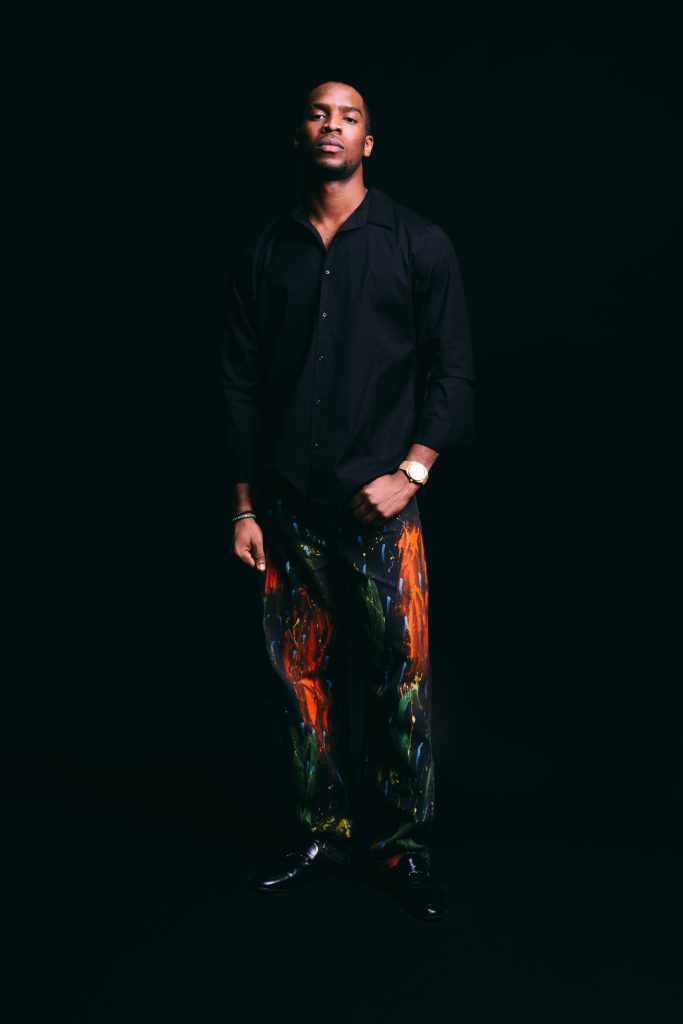
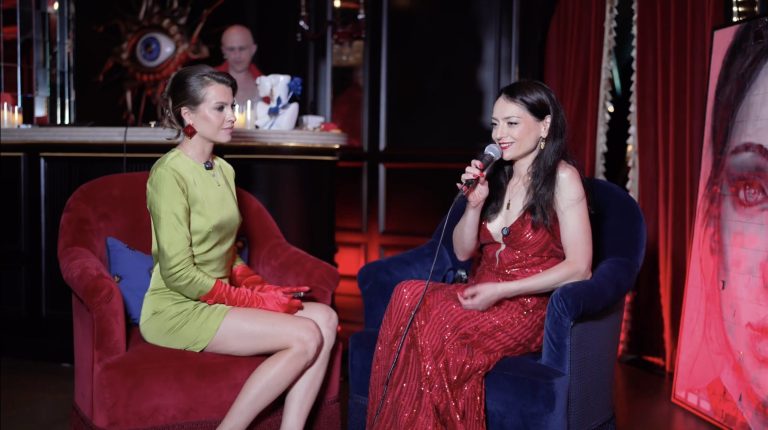
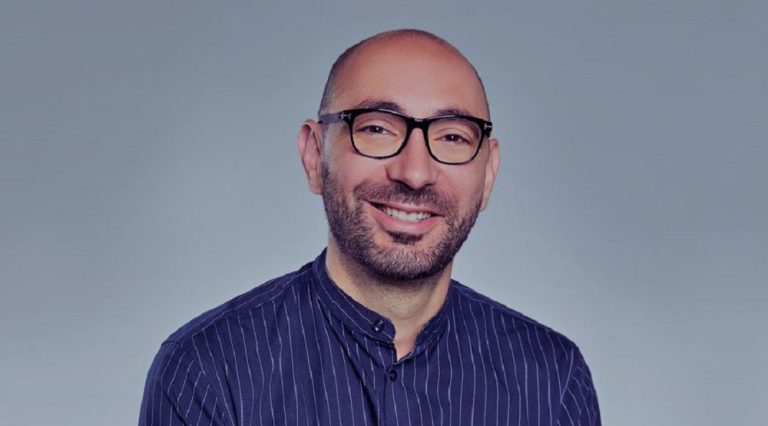
Ahead of the project “Why Contemporary Art Is the New Code of Luxury”, where we focus on artists from the Middle East — and which remains the core direction of our work — we met Simon Okoro, a US-based Nigerian artist whose work and perspective immediately drew our attention.
It was important for us to bring Simon’s voice into Atelier Privé, as we appreciate his artistic language and vision. Simon reflects on identity, ancestry, authorship, and the systems that create human experience. Simon speaks about intuition as a starting point — something he has learned to transform into a more precise and structured way of working.
Simon Okoro has developed his practice in the United States, and now sees the UAE as his next step, with plans to relocate and continue building his work there. This direction once again highlights the Emirates as a strong cultural and artistic hub — a place that offers real opportunities for growth, visibility, and development for artists and the wider creative scene.
Simon, you describe yourself as a “conscious creative.” What does that position allow you to access that a traditional definition of an artist does not?
I describe myself as a conscious creative because it expands the role beyond making objects into shaping meaning, systems, and experience. A traditional definition of an artist often centers on production — what you make, how it looks, where it’s shown. It can become reactive to markets, institutions, or trends. Useful, but limited.
Operating as a conscious creative allows me to access something deeper: intention as a primary material. Most importantly, it keeps me accountable. If I’m conscious in my practice, I can’t create passively. I have to be aware of what I’m saying, why I’m saying it, and what it contributes.
So the difference is this: a traditional artist can reflect the world. A conscious creative takes responsibility for shaping how the world is felt, understood, and remembered.
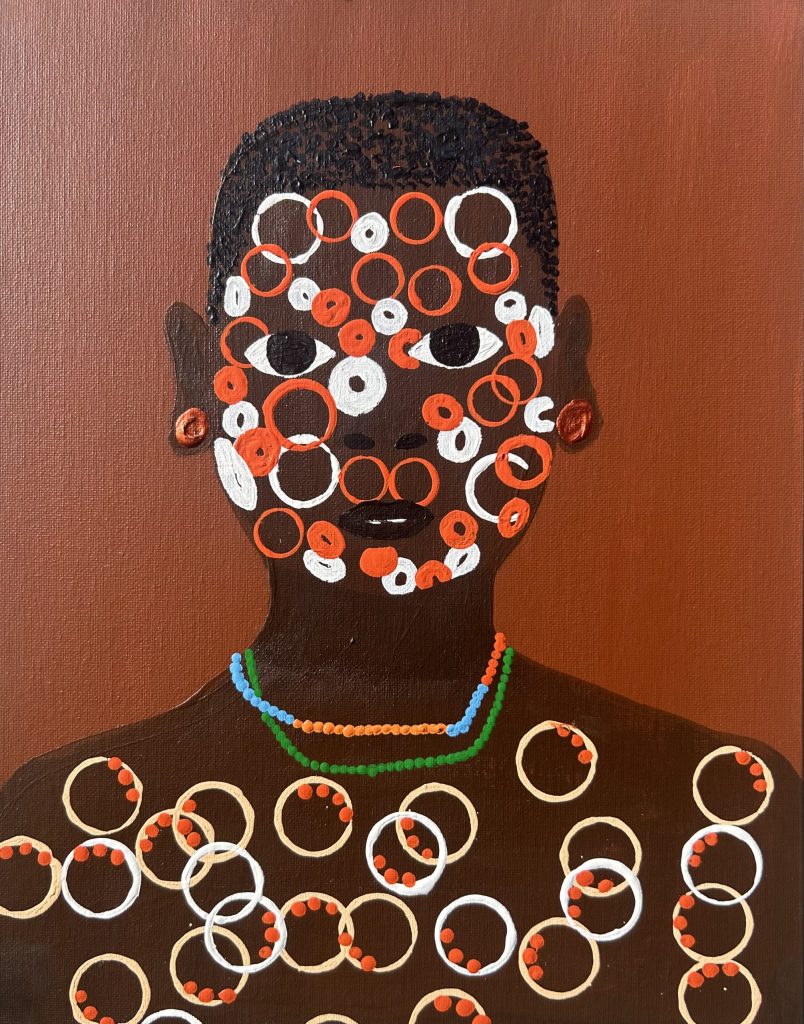
Your work feels deeply introspective, yet it speaks to broader systems — power, identity, human experience. Where does the personal end and the collective begin for you?
I don’t think there’s a clear line where the personal ends and the collective begins. What we call “personal” is often just the surface of something much larger.
My work — yes, it starts from my own interior: experiences, my heritage, my questions of self — but those things aren’t isolated. They’ve been shaped by systems and timelines that existed long before me. So the personal is really just an entry point.
I’m not trying to document myself as much as I’m trying to understand the conditions that produced me and, by extension, all of us. Once you become aware of that, the work can’t stay purely introspective. It naturally expands into something collective. I’m just making visible what’s already shared.
You are largely self-taught. Do you see intuition as a strength, or something you’ve had to discipline over time?
Intuition has always been a strength for me; it’s how I began. Being self-taught meant I had to trust what I felt before I had the language to explain it.
Over time, though, I’ve learned that intuition on its own isn’t enough. It needs to be refined, challenged, and given structure. So I wouldn’t say I’ve disciplined it out of myself — I’ve learned how to work with it more precisely. Now it’s less an instinctive reaction and more a kind of informed sensitivity.
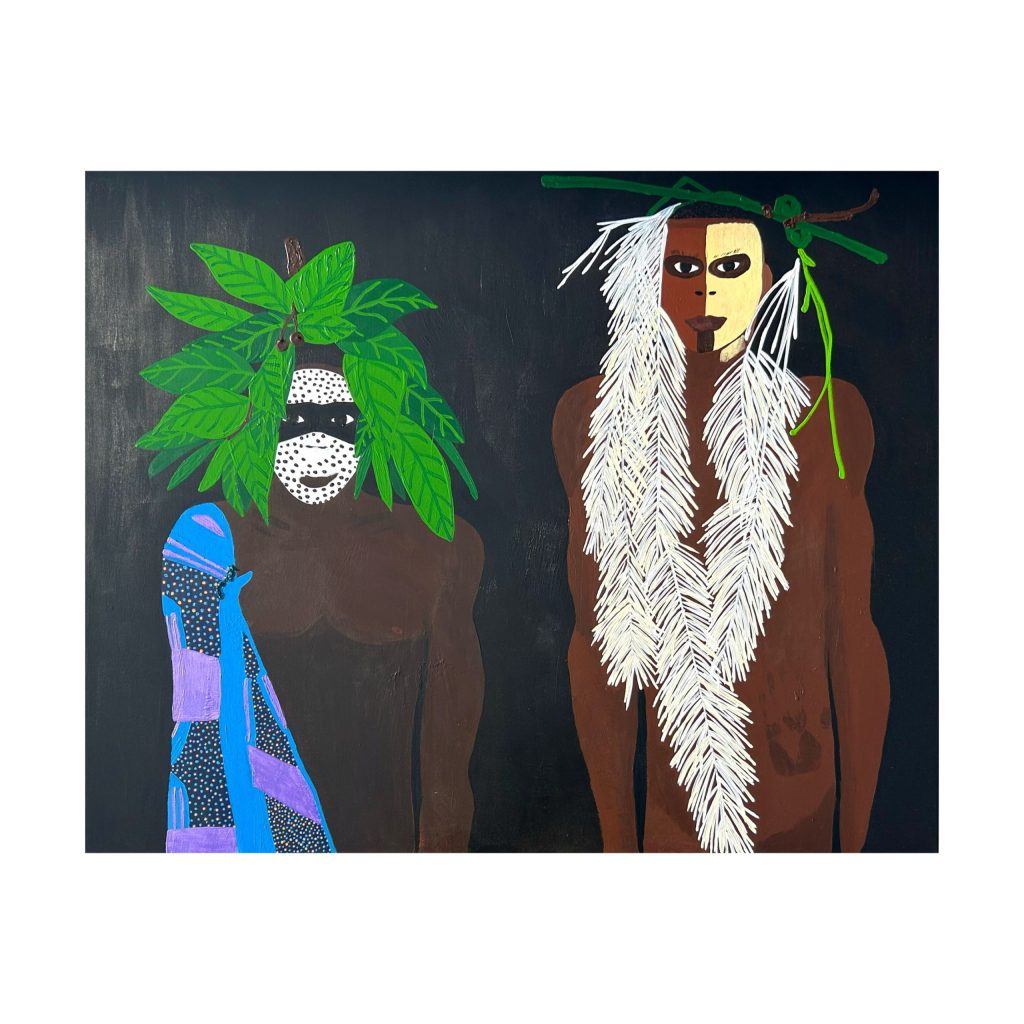
There is a sense in your work that creation happens through you rather than by you. How do you understand authorship in your practice?
I do feel that distinction between creating by me and something moving through me. And that’s actually why I separated the names.
Simon is the human self — the one who moves through the world, through relationships, through everyday experience. Okoro is lineage — my ancestral inheritance, the long memory that exists before me and will continue after me. SIMO sits between those two. It’s the beacon, the place where those forces meet and are translated into something visible.
So authorship, for me, isn’t about ownership in a traditional sense. It’s about responsibility — being clear enough, aware enough to receive and shape what’s coming through without distorting it. The work is mine, but it’s also not entirely mine. It’s a convergence.
You moved from Lagos to Dallas. Did that shift clarify your identity, or complicate it?
The move didn’t clarify my identity so much as it exposed its layers. In Lagos, identity feels intertwined with a collective rhythm — family, language, belonging. In Dallas, that scaffolding falls away, and what’s left has to be rebuilt with more intention.
So in a way, it both clarified and complicated things. Clarity came through friction — through difference, distance, and choice. It wasn’t about discovering something new, but about recognizing what endures when context changes.
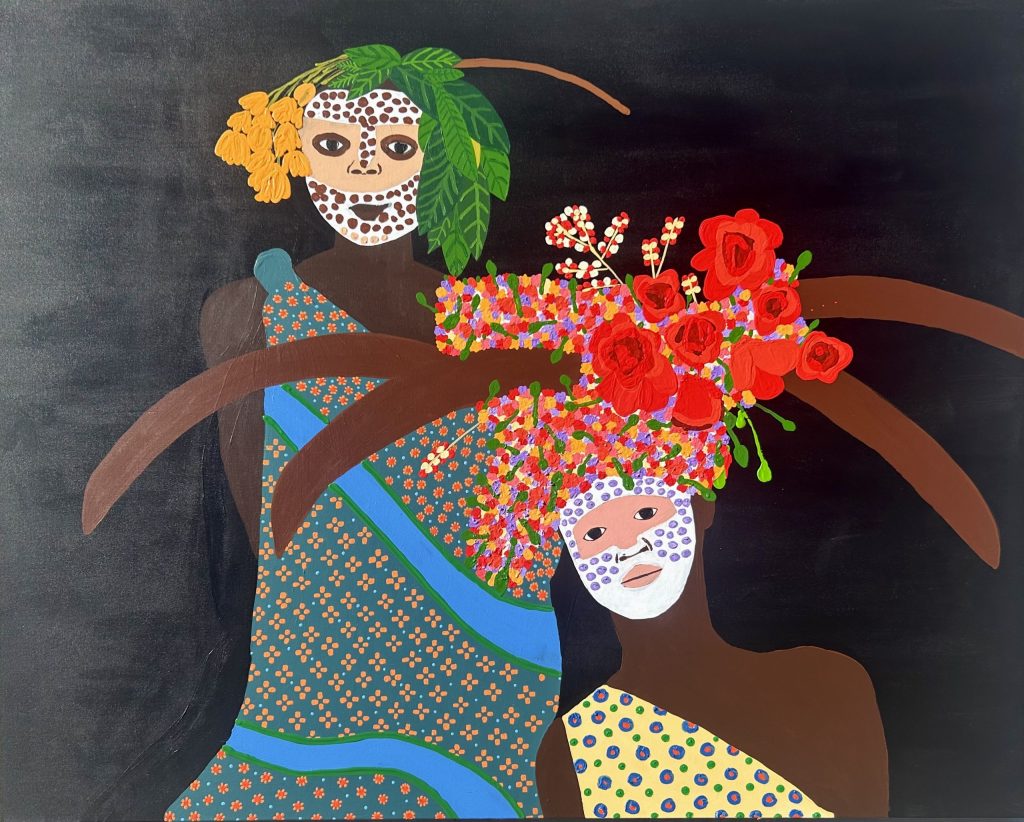
Many artists are expected to represent where they come from. Is that something you feel — or consciously resist?
I’m aware of that expectation, but I don’t move from it. Where I come from is in the work — it’s in the rhythm, the memory, the way I see. It doesn’t need to be performed or explained to be valid.
So I don’t resist it, but I don’t submit to it either. I let it exist as a foundation, not a boundary.
Your work resists clear categorisation. Is that ambiguity intentional?
Yes, but not as a strategy. Clarity, for me, isn’t about fitting into a category. It’s about being honest to what’s coming through. And what’s coming through isn’t one thing — it’s layered, shifting, sometimes contradictory.
My choice of medium shifts with that. I’m open to trial, to intuition, to whatever best holds the discourse at hand, so the form isn’t fixed — it responds. So the work stays open. Not to confuse, but to allow multiple truths to sit at once.
If it feels ambiguous, it’s only because I’m not forcing it to resolve into something smaller than what it is.
You often speak about “truth” in your process. How do you recognise it when it appears?
Honestly, it’s not something I arrive at intellectually; it’s something I recognise in the body. Truth, for me, is less about certainty and more about alignment. When nothing in me is trying to adjust it, soften it, or explain it away, that’s when I trust it.
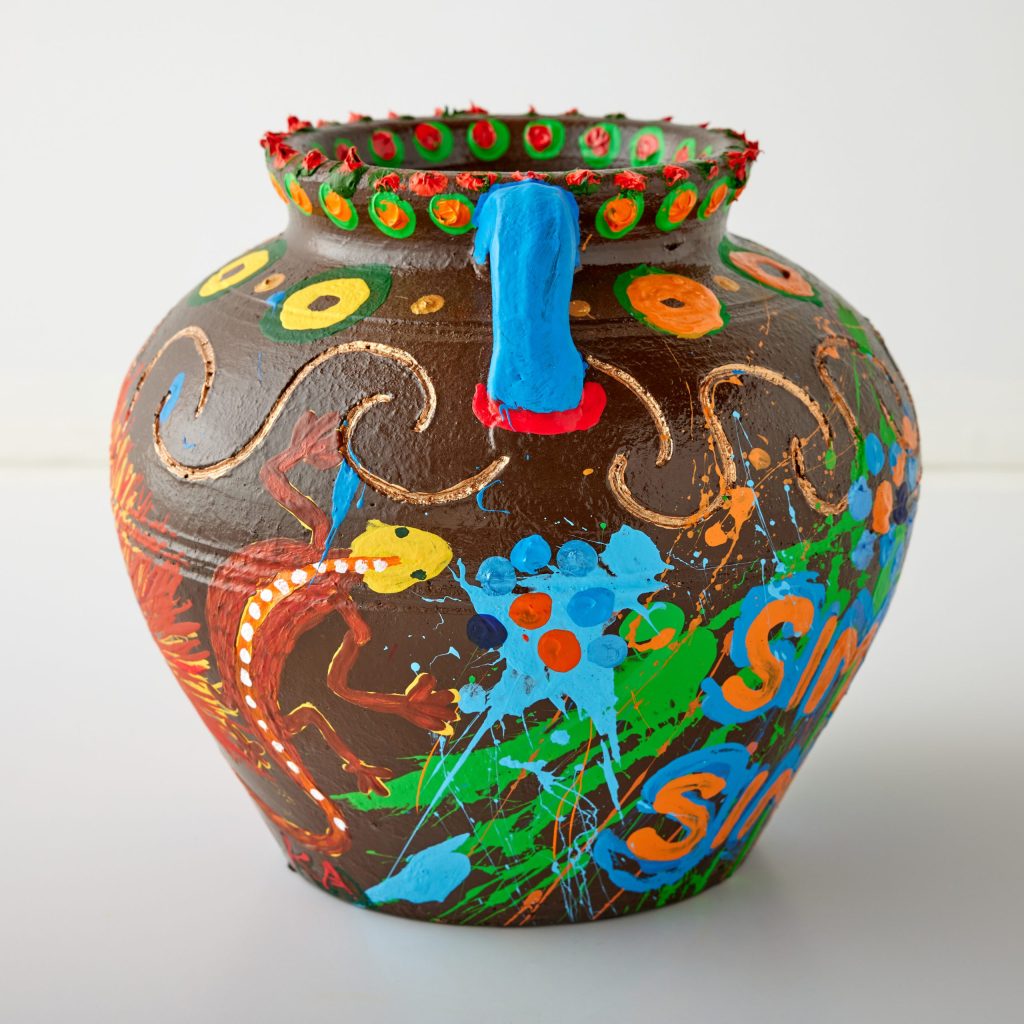
What does a typical day in your studio actually look like?
A lot of music, sweaty dancing, and research. That’s the visible part. But in truth, the work doesn’t begin or end in the studio. The studio is just where things crystallise. Most of it happens outside — in observation, in conversations, in silence, in the way I move through the world and register it. By the time I arrive, I’m not searching as much as I’m responding.
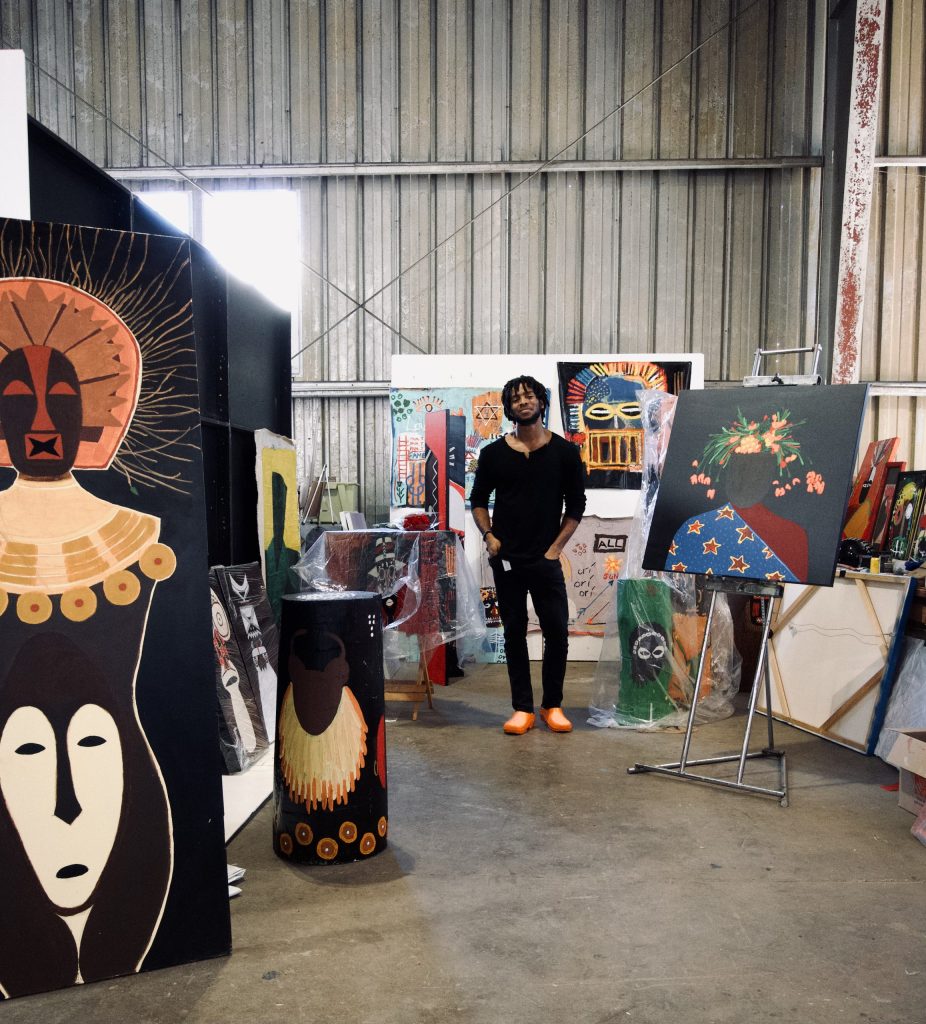
What do you find more difficult: starting a piece or knowing when to stop?
No piece is ever finished, only abandoned. Those are the words of Leonardo da Vinci, but they resonate.
Have there been works you chose not to show? What made you hold them back?
Yes — more than I show. Not everything is meant to be seen, at least not immediately. Some works arrive before I’ve fully understood them. Releasing them too early would feel premature, almost like speaking on something I haven’t fully lived through yet. Other times, the work is too personal in its rawness. I don’t believe everything needs to be exposed to be valid.
Has your relationship with painting changed as your audience has grown?
My relationship with painting hasn’t changed. Like the conductor of an orchestra, I turn my back to the audience — the goal is to stay pure for as long as possible.
But purity is never solitary; I borrow, I steal. I let ideas from other creative worlds slip into my own.
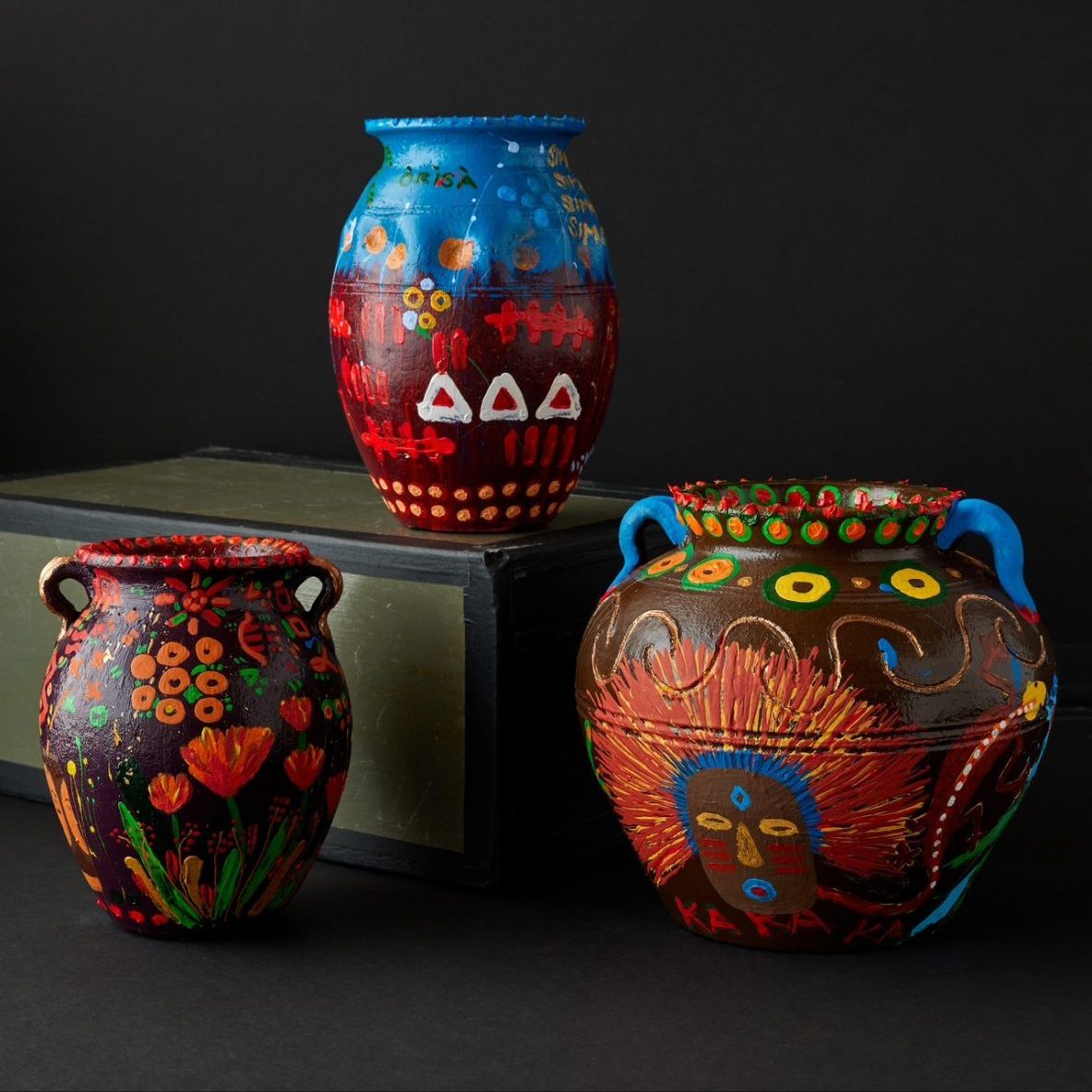
What are you building towards right now — a specific body of work, or something less defined?
I’m building a system—a way of seeing, of working, of living that the creative work comes through. Something that can hold not just paintings, but space, dialogue, community—an entire ecosystem of thought and feeling.
How do you see your practice evolving over the next few years?
I see it becoming sharper, quieter, and more expansive at the same time. Sharper in the sense that the work will carry less excess — more precision in gesture, in material, in intention. Everything unnecessary will fall away, and what remains will feel undeniable.
Quieter, because I’m less interested in explaining the work and more committed to letting it stand on its own terms. The need to be understood fades a bit, and in its place is a deeper trust in resonance. But also more expansive — not just in scale, but in form. The practice will move beyond the canvas into spaces, into environments, into more immersive encounters. The work won’t just be something you look at, but something you enter, something you feel yourself inside of.
And structurally, I see it evolving into something that can hold itself, where the ecosystem around the work becomes as intentional as the work itself. Fewer, deeper relationships. More control over context, presentation, and dialogue. So it’s a kind of paradox: reduction in the work itself, expansion in what the work can live inside of.
When you think about your work in the long term, what kind of spaces or collections do you see it belonging to?
Long term, I see the work in intentional spaces — private collections where it’s lived with, and institutional contexts that allow it to breathe. Also in quieter, in-between environments — residences, hospitality, architectural settings where it can be felt, not just seen. It’s less about status, more about alignment.
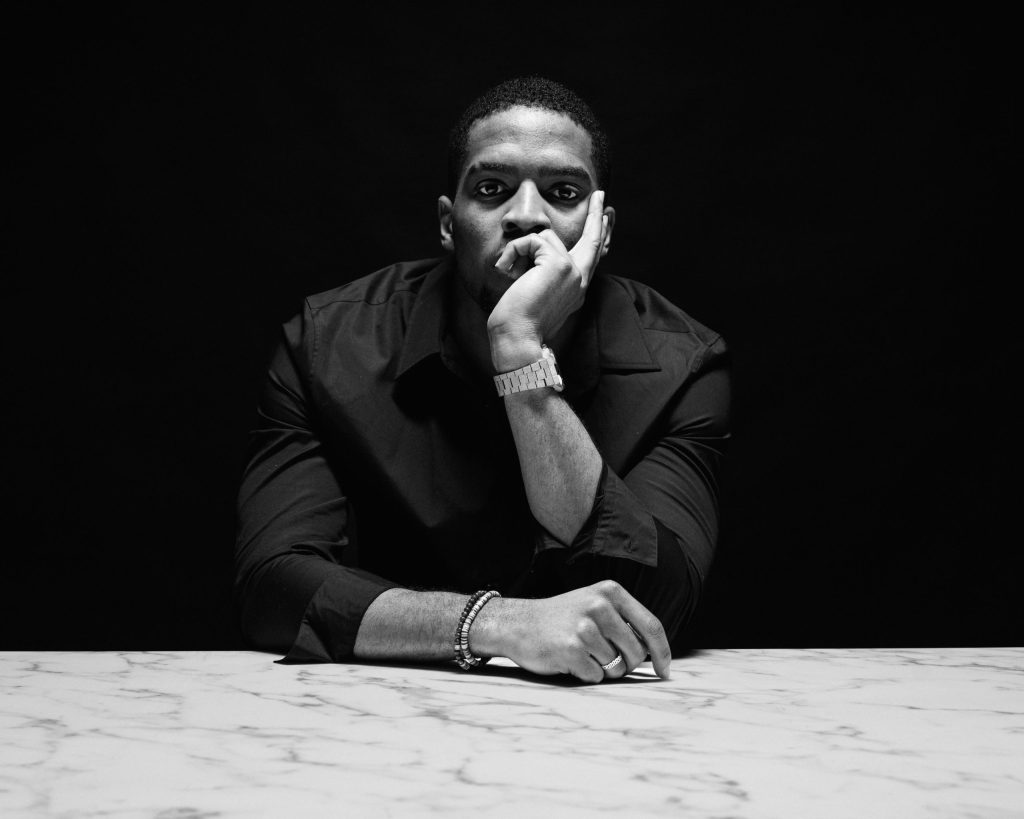
Simon Okoro approaches his work with focus and awareness, building a practice that connects personal experience with wider cultural questions. Today, he is working toward something larger than individual pieces — a system that includes space, dialogue, and community alongside the work itself. As his practice develops, it moves into more immersive formats and environments, expanding the way the work is experienced. Simon’s trajectory reflects a wider movement in contemporary art, where artists build not only works, but entire ecosystems around them.
Read later
Share