Exotic Woods and Bespoke Materials in Luxury Interiors
 Read later
 Share
Share
In the most refined luxury residences across the Middle East, materials are never chosen casually. For ultra-high-net-worth homeowners in the UAE, Qatar and the wider GCC, interior architecture has become a language—one that communicates discretion, cultural awareness and long-term vision. Among the materials that best embody this philosophy, exotic woods and bespoke finishes occupy a privileged place.
Unlike decorative trends or statement pieces, rare woods and custom-crafted materials work quietly. They shape atmosphere, influence emotion and establish a sense of permanence that aligns perfectly with the values of legacy-driven luxury. In elite villas and private estates, these materials do not seek attention. They reward those who notice.
Why Exotic Woods Signal Prestige in Ultra-Luxury Design
Wood has always carried symbolic weight. In high-end interiors, especially in the Gulf, exotic woods elevate this symbolism to a higher cultural register.
Material rarity as a symbol of cultural sophistication
Exotic woods are defined by scarcity, provenance and craftsmanship. Their value does not lie solely in appearance, but in the story behind each grain: timeless forests, slow growth cycles and controlled sourcing. For UHNW clients, this rarity resonates with a broader appreciation for authenticity and cultural depth.
Choosing such materials signals discernment. It reflects an understanding that true luxury is found in what is difficult to replicate.
Why UHNW clients prefer tactile, natural materials
Beyond visual impact, wood offers tactility. The warmth of a hand-finished surface, the subtle variation in grain and the way wood absorbs light create a sensory experience that synthetic materials cannot replicate.
In the GCC, where architecture often balances grandeur with intimacy, exotic woods introduce a human scale—softening spaces without diminishing their authority.
Wood as an emotional and architectural element
Wood influences mood. Darker species evoke calm, introspection and gravity. Lighter woods suggest openness and serenity. In luxury interiors, this emotional dimension is carefully considered, allowing materials to shape how spaces are lived in, not just how they look.
Exotic Woods Used in High-End Interiors Across the GCC
Material selection defines the character of a residence. In ultra-luxury estates, wood choices are deliberate and contextual.
Dark hardwoods for depth and intimacy
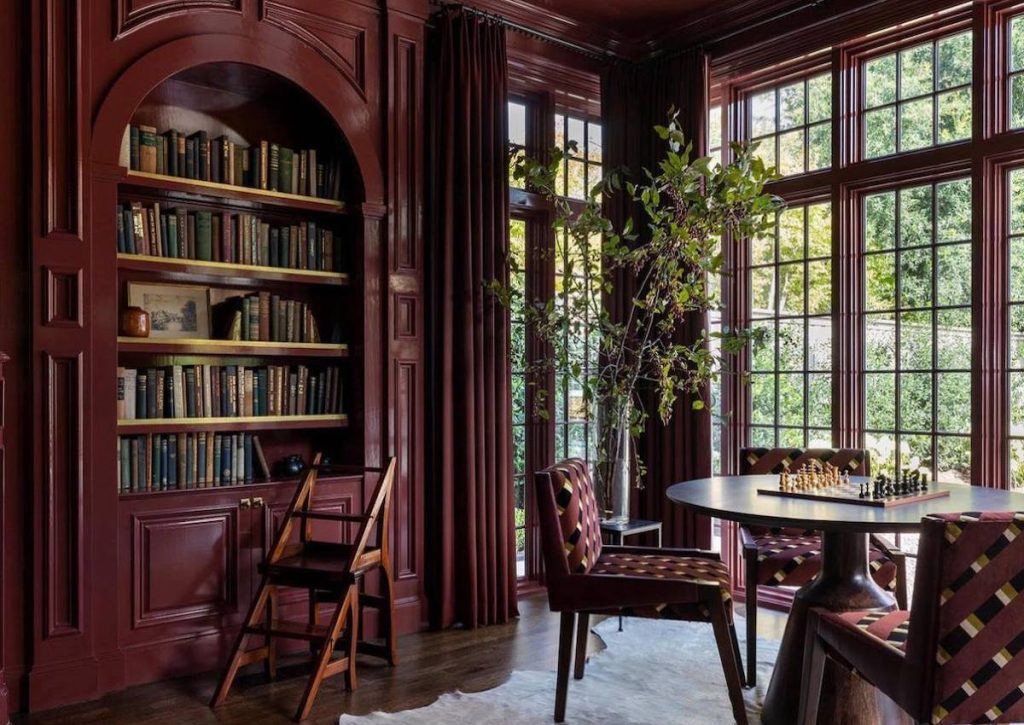
Deep-toned exotic woods are often used in private areas such as libraries, studies and formal salons. Their density and colour absorb light, creating spaces that feel protected, contemplative and composed.
These woods pair naturally with stone, metal and leather, forming interiors that convey authority without excess.
Lighter exotic woods for contemporary estates
In more contemporary villas, lighter exotic woods introduce warmth without visual weight. Their subtle grain patterns complement minimalist architecture and expansive glazing, allowing interiors to feel calm and balanced.
Such applications are particularly effective in open-plan living spaces, where material continuity reinforces spatial flow.
Grain patterns, finishes and visual rhythm
Grain direction and finishing techniques play a critical role. Vertical grains elongate walls and enhance height, while horizontal applications emphasise breadth and continuity. Finishes—whether matte, brushed or oiled—determine how light interacts with the surface, shaping the overall atmosphere.
In UHNW interiors, these details are orchestrated with architectural precision.
Architectural Applications Beyond Furniture
In elite residences, wood transcends furniture. It becomes an architectural material, integrated into the structure itself.
Wall paneling, ceilings and custom joinery
Full-height wood paneling creates enveloping spaces that feel cohesive and intentional. Ceilings clad in exotic woods add warmth to expansive volumes, balancing scale with intimacy.
Custom joinery—doors, frames, concealed storage—ensures that wood remains a unifying element rather than an accent.
Staircases, libraries and private studies
Staircases crafted in exotic woods act as sculptural connectors between levels. Libraries and studies often feature bespoke shelving systems designed to house books, artefacts and art within a harmonious architectural framework.
These spaces become personal sanctuaries, defined as much by material intelligence as by function.
Transition zones and spatial storytelling
Corridors, entrances and passageways are often overlooked, yet they offer powerful opportunities for storytelling. Wood-lined transition zones create rhythm and anticipation, guiding movement through the estate with subtle cues.
In luxury design, no space is incidental.
Bespoke Materials and Craftsmanship in UHNW Residences
True luxury emerges when materials are crafted specifically for a single space.
Custom finishes and hand-crafted detailing
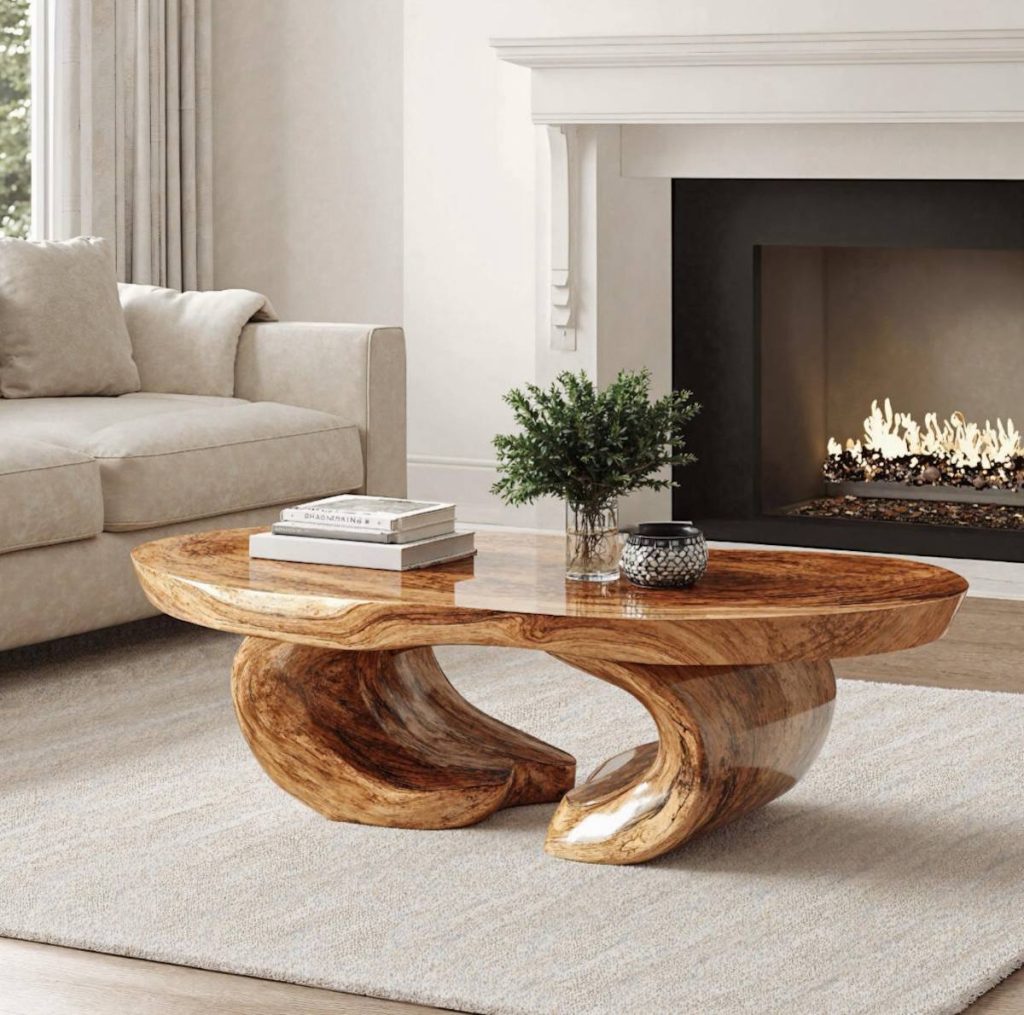
Bespoke interiors often involve materials finished by hand, allowing for subtle irregularities that enhance authenticity. These details are not flaws; they are signatures of craftsmanship.
Hand-finished surfaces age gracefully, developing patina rather than wear.
Collaboration between architects and artisans
Exotic woods demand expertise. Their integration requires close collaboration between architects, designers and master artisans. Proportions, joints and transitions must be resolved with precision to honour the material’s integrity.
This collaborative process reflects the same values as haute craftsmanship in art or tailoring.
Precision, proportion and restraint
In UHNW interiors, restraint is essential. Exotic materials are powerful and must be used judiciously. The most successful designs allow materials to breathe, creating moments of emphasis rather than saturation.
Luxury, here, lies in balance.
Sustainability, Ethics and Material Responsibility
Modern luxury increasingly embraces responsibility. UHNW families in the Gulf are becoming more conscious of the origins and impact of the materials they choose.
Responsible sourcing and long-term value
Ethically sourced woods and responsibly managed materials align with a long-term vision of luxury. Sustainability is no longer a trend; it is a measure of intelligence and foresight.
Materials that endure reduce the need for replacement, reinforcing both environmental and financial sustainability.
Why sustainability matters to new-generation UHNW families
Younger generations of affluent families often prioritise values alongside aesthetics. Responsible material choices reflect a broader commitment to stewardship—of property, culture and environment.
This perspective is reshaping high-end interior architecture across the region.
Timeless materials as an alternative to excess
Rather than frequent renovations, timeless materials offer continuity. They evolve gracefully, maintaining relevance and beauty across decades. In this sense, sustainability and luxury converge.
Longevity, Value and Emotional Legacy
Materials influence not only how a home looks, but how it is remembered.
Durability and patina over time
Exotic woods age with dignity. Their surfaces soften, their tones deepen and their character becomes richer. This natural evolution adds emotional value to a residence.
Material choice as part of estate valuation
In luxury real estate, material quality directly affects perception and long-term value. Bespoke interiors crafted with rare woods signal craftsmanship and investment, enhancing the estate’s prestige.
Creating interiors that endure across generations
For UHNW families, homes are often multi-generational assets. Materials chosen today will shape experiences for decades. Exotic woods and bespoke finishes support this continuity, embedding memory and identity into the architecture itself.
When Materials Define Silent Luxury
The most refined interiors do not rely on ornament or excess. They speak through material intelligence, proportion and restraint. Exotic woods and bespoke materials embody this philosophy, offering warmth, depth and meaning without noise.
In the context of ultra-luxury estates across the UAE, Qatar and the wider GCC, these materials represent a mature expression of luxury—one rooted in heritage, responsibility and enduring value. When chosen with care, they transform architecture into a quiet legacy that unfolds over time.
Read later
Share