Inside Louvre Abu Dhabi’s Landmark Picasso Exhibition
 Read later
 Share
Share
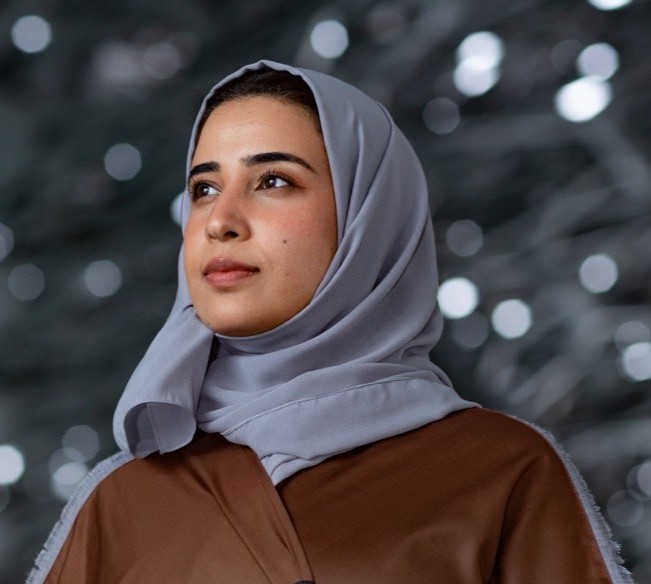
A conversation with Afraa Alteneiji, Senior Communications Specialist at Louvre Abu Dhabi, on what it took to bring Picasso, the Figure to life.
Picasso, the Figure is not a conventional retrospective. Curated by Cécile Debray, Virginie Perdrisot-Cassan, and Aisha Al Ahmadi, Louvre Abu Dhabi’s latest major exhibition brings together more than 130 works, with more than 60 displayed for the very first time in the UAE. The exhibition carries a specific focus: how Pablo Picasso’s depiction of the human figure evolved across his career, and how that evolution sits within a broader global conversation about art and influence.
Atelier Privé sat down with Afraa Alteneiji, Senior Communications Specialist at Louvre Abu Dhabi, to understand the thinking behind the exhibition, how it came together, and what the museum hopes audiences will take away from it.
An Exhibition Built Around One Idea
Alteneiji is clear from the outset about what makes this exhibition distinct. Rather than a sweeping retrospective, it is a focused exploration built around a single thread: Picasso’s evolving depiction of the human figure.
“The exhibition highlights the breadth of his experimentation and his continued relevance, while positioning his practice in dialogue with influences ranging from African art to Arab modernism.”
– Afraa Alteneiji, Senior Communications Specialist at Louvre Abu Dhabi
That framing is very much in keeping with Louvre Abu Dhabi’s broader mission – presenting major artists within a global context rather than a singular cultural one. The curatorial approach is centred on key turning points in Picasso’s practice, with works selected specifically to demonstrate his continuous rethinking of the human figure and the pivotal moments in his artistic development. The selection spans painting, sculpture, drawing and ceramics, showing how his treatment of form, identity and representation shifted across his career.
What This Exhibition Adds to the Conversation
The exhibition offers a fresh look at Picasso’s career through the lens of the human figure. By combining chronological and thematic elements, it traces his work from early Cubism through Surrealism and into his later works. The inclusion of mythological references and cross-cultural influences adds another layer, moving the conversation beyond the standard Western reading of his legacy and placing Picasso within a wider global context.
Placing Picasso in a Global Conversation
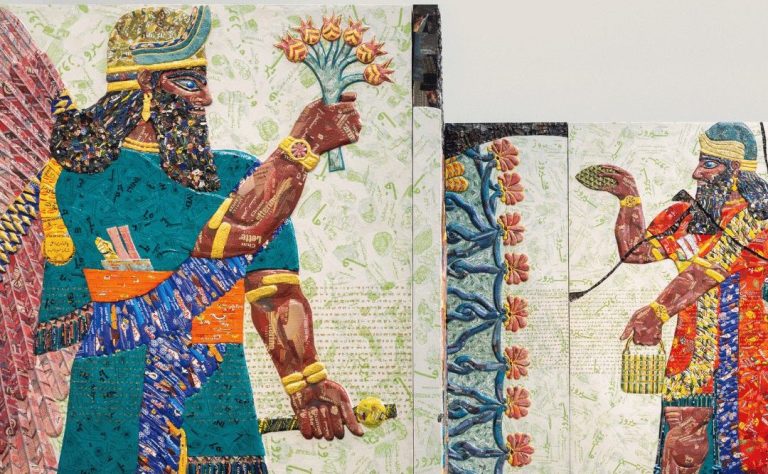
Rather than isolating Picasso within a solely European narrative, the exhibition presents his work alongside broader influences and responses – including works by six Arab modernist artists, among them Dia al-Azzawi, Jewad Selim, Shakir Hassan Al Said, Ramses Younan, and Baya Mahieddine. Louvre Abu Dhabi has deliberately placed his work within a wider conversation rather than presenting it alone.
Artistic movements are understood through connections between cultures rather than in isolation.
– Afraa Alteneiji, Senior Communications Specialist at Louvre Abu Dhabi
The exhibition traces how Picasso’s ideas travelled and were reinterpreted across different cultural contexts, looking at his legacy from a perspective that goes beyond the familiar Western reading. This, Alteneiji notes, reinforces the museum’s role as a platform for exchange – a place where artistic movements are understood through the connections between cultures, not despite them.
How the Exhibition is Structured
The visitor journey unfolds across five sections, each exploring a distinct approach to the human figure. References to Greek mythology run throughout, giving the journey a sense of continuity across the different periods of his career. A separate path for younger visitors runs alongside, allowing children to engage with the exhibition through questions and facts suited to their age.
Bringing this exhibition together required close collaboration with the Musée national Picasso in Paris, Picasso Administration, and France Museums, as well as a wide network of international lenders. Alteneiji describes the process as one of careful coordination at every stage, balancing curatorial vision with the practical demands of assembling works from multiple collections around the world.
What Visitors Can Expect to Take Away
The exhibition aims to offer a deeper understanding of Picasso’s approach to the human figure and why his work still resonates today. By featuring six Arab artists throughout, it highlights his influence on Arab modernism and opens a dialogue that speaks to both traditions.
It offers an opportunity for audiences to engage with Picasso’s work in a way that feels both intellectually grounded and personally meaningful.
-Afraa Alteneiji, Senior Communications Specialist at Louvre Abu Dhabi
On a deeper level, the exhibition invites visitors to reflect on the complexity of the human condition. Through the range of works on display, audiences are encouraged to think about how identity, transformation and expression have shifted over time – within Picasso’s own practice and across different cultures. The exhibition also raises a broader question about how art moves, changes and finds new meaning as it crosses borders and reaches new audiences. Ultimately, it offers a chance to look at one of the most influential artistic legacies of the 20th century with fresh eyes.
As Alteneiji puts it:
“Art travels, adapts and resonates across geographies.”
To learn more about this exhibition, click here.
Read later
Share