Performance Portfolio: Why Birkin, Chanel and Goyard Keep Their Value
 Read later
 Share
Share
A curated look at fashion setting the standard for value in 2026.
A shipment arrives at the back entrance of a luxury store an hour before the front doors open. It’s concealed from the clientele who will later browse the same floor. The boxes are sealed in their original packaging, checked against an allocation list rather than a shelf plan, and held until they’re called for by name. What gets separated in that hour, and what’s left to reach the floor the ordinary way, is a physical version of the split this piece is built around.
Why do certain designs keep their value long after the season that produced them? Why are others, often from the same runway, markdown stock within a year?
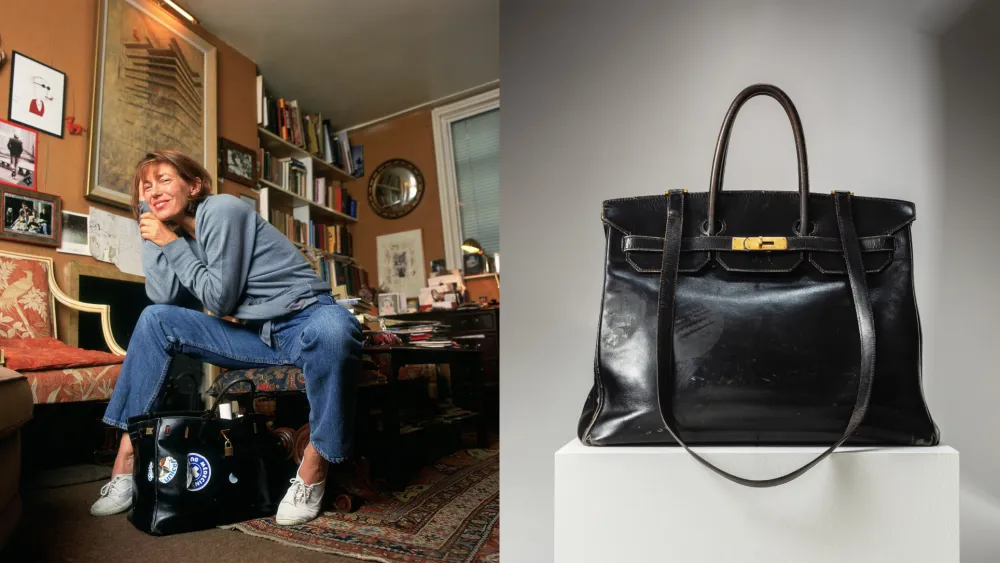
The Hermès Birkin is the clearest case of the first factor: control over access. The boutique route still runs on allocation rather than a formal queue. It’s decided store by store, shaped by a client’s purchase history and the relationship built with a sales associate over years. What’s changed is how much weight the secondary market now carries. Dubai has become one of the cities where that demand is served directly, rather than routed through London or Paris.
The Gulf Demand
Libas Collective, the Business Bay-based marketplace, now carries curated selections from tens of thousands of authenticated pieces across Hermès, Chanel, Dior and Louis Vuitton. Love Luxury built its reputation over five years on Beauchamp Place in Knightsbridge before opening a boutique here in 2025. It describes Gulf demand for pre-loved Hermès as the steadiest driver behind the wider resale sector’s recent growth.
Consignment isn’t the fallback anymore for those who miss the boutique allocation. For a growing number of UAE buyers, it’s the primary route – the one where condition and completeness of packaging, not a sales associate’s discretion, set the terms.
The Value-Retainers
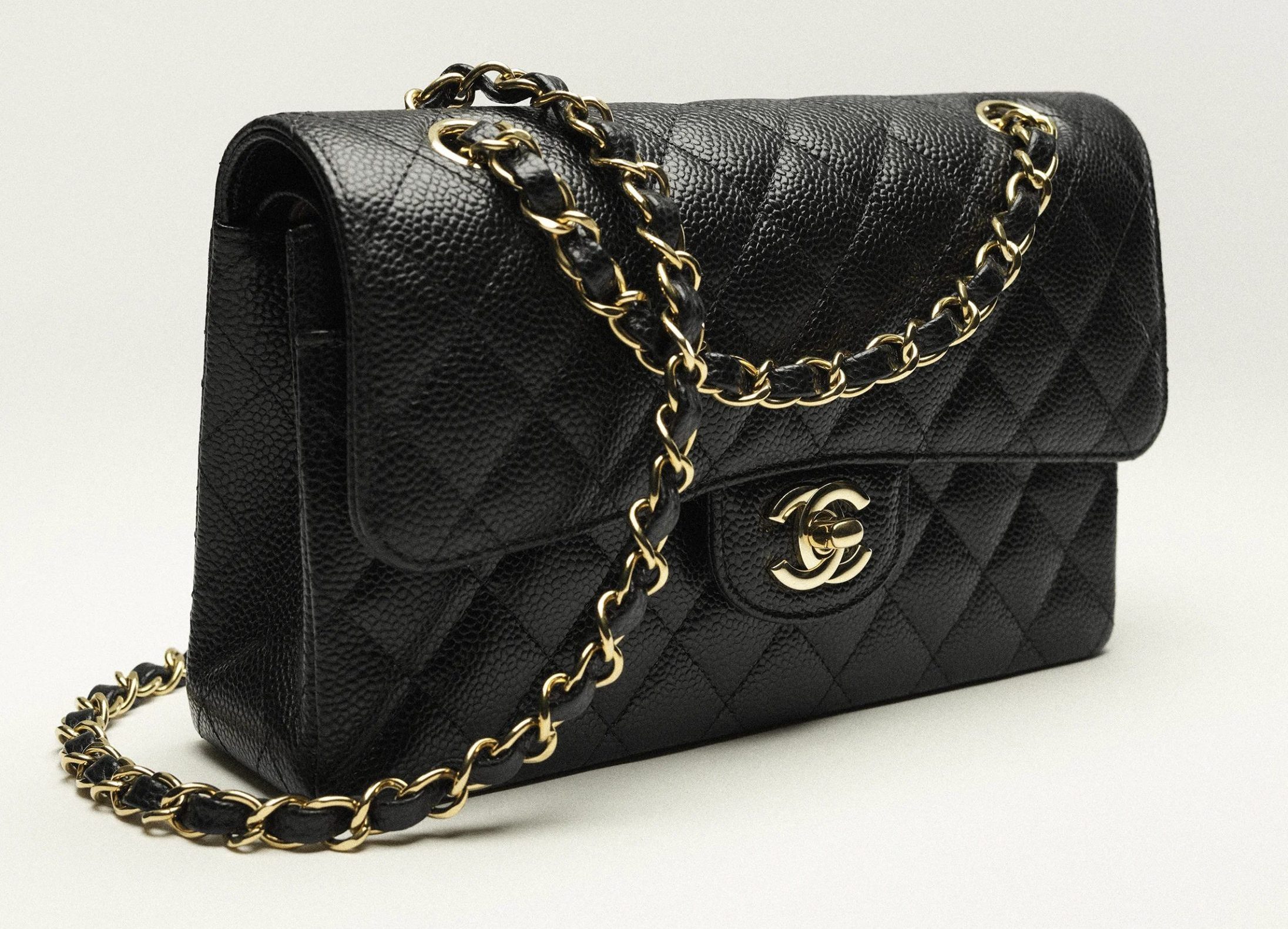
Where the Birkin’s value rests on access, Chanel’s Classic Flap works on a second, almost opposite mechanism. The house raises its own prices, in public, on a fixed schedule. Each increase becomes the floor for everything already in circulation. Fashionphile’s Academy tracks each Chanel increase. It records the medium Classic Flap moving to $11,700 in the United States after the April 2026 adjustment, continuing a climb that industry pricing trackers have followed from $2,850 in 2010. Buyers return to it season after season not because the bag has changed, but because the price keeps confirming the original decision to own one. Every publicised increase does what a dividend announcement does for a shareholder.
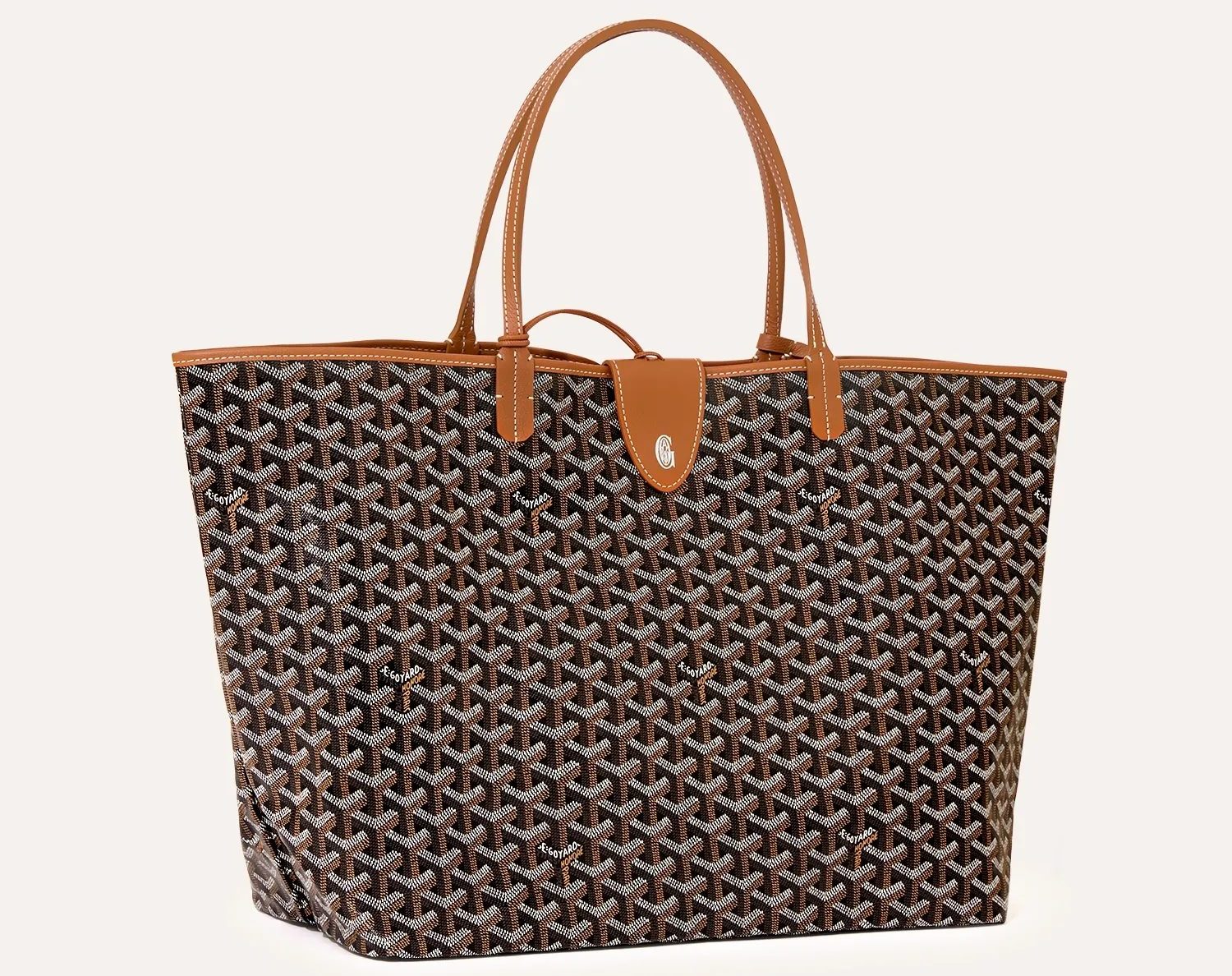
Goyard’s Saint Louis tote makes its case through the opposite discipline. The house doesn’t raise prices in public or sell meaningfully online. That refusal to advertise is itself the mechanism – it keeps supply narrow enough that the secondary market has to do the work of price discovery. Sotheby’s own guide to the house notes that limited editions, unusual colourways and hand-painted personalisation of the bags can command more than a piece cost new. The Saint Louis was never designed to be easy to find. The resale market has simply priced that in.
Staying Grounded
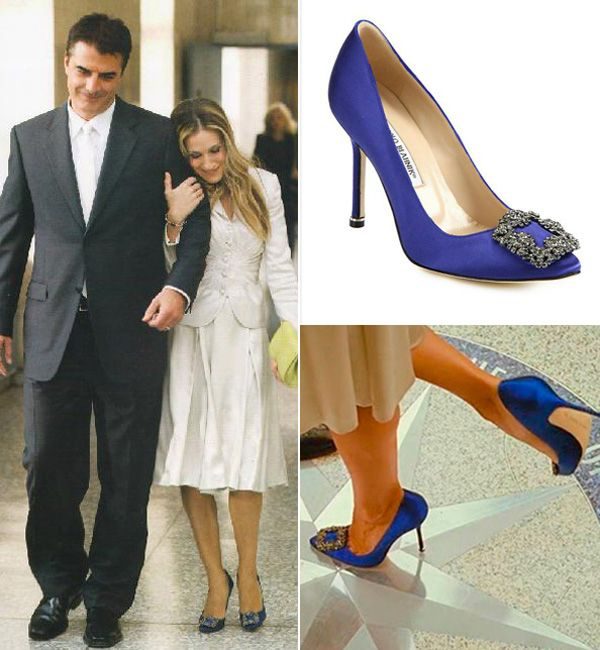
Manolo Blahnik’s Hangisi runs on a third factor: continuity of design, not control of supply or price. The crystal-buckled pump has appeared in essentially the same silhouette across nearly two decades of collections. Its standing has little to do with any single cultural moment. It has everything to do with the house simply continuing to make it, unaltered, season after season.
The Row’s footwear works on a quieter version of the same idea, though here it’s aesthetic rather than structural. The label’s shoes rarely command the resale premiums its handbags do. But the architectural restraint that defines the house translates directly: a pair bought several seasons ago reads as current today, not dated, because nothing about the design was built to expire. That’s their whole market. A wardrobe that trends cannot replace.
A closing note
Access, price, scarcity, continuity, restraint. Five different mechanisms, one outcome: a piece that asks nothing of the season it was bought in, and less of the one after.
That distinction matters more to a certain kind of buyer. The icons here shouldn’t just be in the spotlight because of their price. Plenty of expensive things lose half their value the moment they leave the store. They’re chosen because each one solves the same problem a serious collection has to solve: how to hold value without needing the market’s attention to do it. A Birkin doesn’t need a hype cycle. A Classic Flap doesn’t need a resale platform to tell you it was a good decision – the house does that itself. That’s a different kind of asset than the one built on scarcity marketing and drop culture, and it behaves differently in a portfolio, too.
For buyers who think about acquisition the way they think about property or art – as something to be held, insured, and eventually passed on – the mechanism behind the value matters more than the object itself. A piece that holds because of a house’s pricing discipline will keep holding as long as that discipline does. A piece that holds because it’s genuinely scarce is a different bet, and a piece that holds because the design simply never needed updating is a different bet again. Knowing which mechanism you’re relying on is the difference between a purchase and a position.
This is the first entry in what will be a running notebook – returning, over time, to the pieces and the mechanisms worth adding to the list.
Read later
Share