Where to Stay Next: The Gulf’s Best New Luxury Hotels for 2026–2027
 Read later
 Share
Share
Across the region, luxury hospitality is expanding well past the room itself, into something guests want to return to.
The Gulf’s newest luxury addresses are selling a more complete way of living, built around privacy, wellness, residences and experiences that begin long before check-in.
That shift is already visible across the region. In Riyadh, a new W is helping turn a financial district into a destination in its own right. On Jeddah’s Corniche, Raffles draws from the city’s history and relationship with the Red Sea. On Palm Jumeirah, Six Senses has made longevity and wellbeing central to the experience, while the Red Sea’s newest resorts are building entire destinations around seclusion, nature and considered design.
Some of these addresses have already opened in 2026. Others are still to come, while several are now on the radar for the years ahead. Together, they offer a glimpse of what luxury hospitality in the Gulf is becoming.
Saudi Arabia
W Riyadh
The interesting thing about W Riyadh is the timing. Opened in April 2026, it brings the first genuine social infrastructure to KAFD, a district built around capital rather than company. Being among the first to be seen there, before the district’s identity fully sets, carries its own kind of currency in a city where new addresses get remembered.
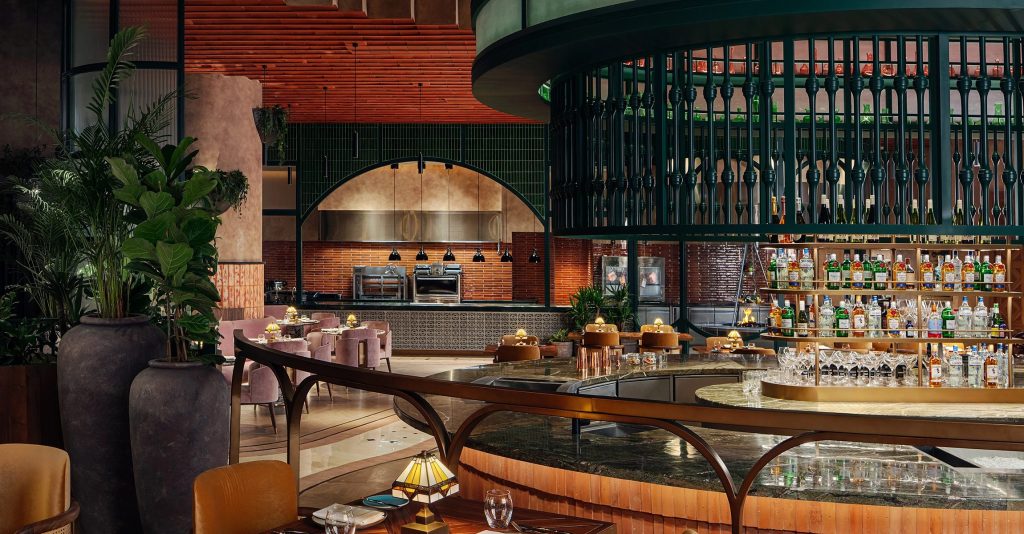
The interiors lean on Al Sadu weaving and the geometry of the desert, drawing on the region rather than importing glamour from elsewhere – which matters more than it sounds. A guest who already owns a suite at every global flagship is looking for something that couldn’t exist anywhere else. KAFD is positioning itself as where Riyadh’s next generation of wealth will work, live and be seen doing both. W Riyadh is the room they’ll be seen doing it from first.
Raffles Jeddah
Opened in 2026 on the city’s historic Corniche, marking Raffles’ second Saudi property after Raffles Makkah Palace. The hotel spans two towers – 182 rooms and suites in one, 120 branded residences in the other – with every room built around a private terrace and an uninterrupted view of the Red Sea.
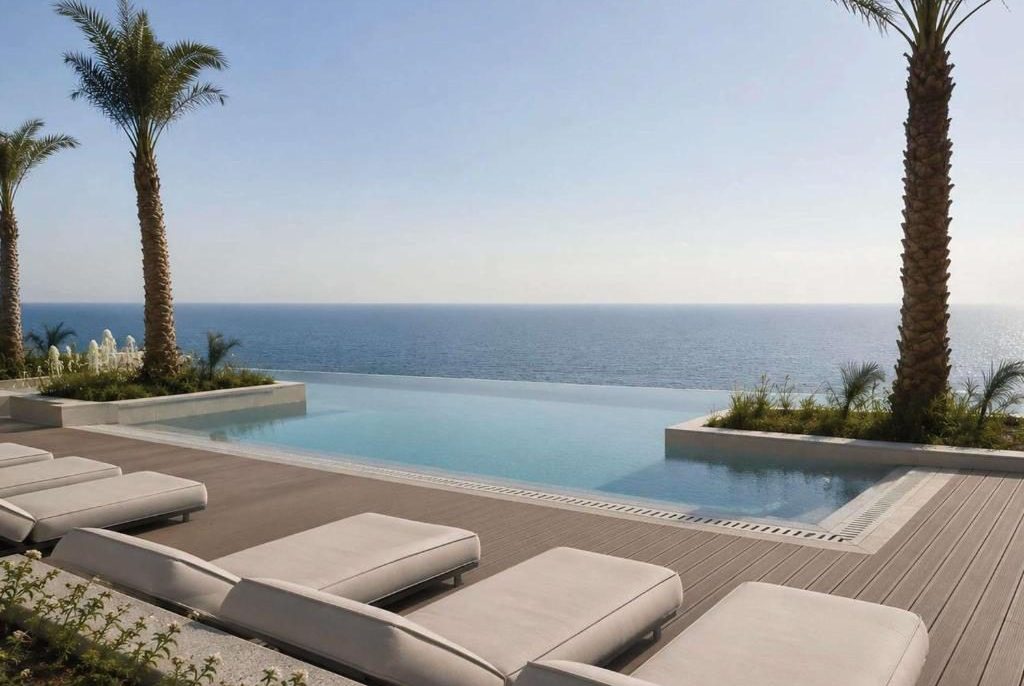
Interiors by Robert Angell pair contemporary design with Hijazi Arabic detailing, while the spa and wellness areas, designed by Tristan Du Plessis, lean into the coastline rather than compete with it. The hotel sits within easy reach of Al Balad, Jeddah’s historic centre, giving Raffles’ signature butler service a setting with real weight behind it.
Four Seasons Resort and Residences Red Sea at Shura Island
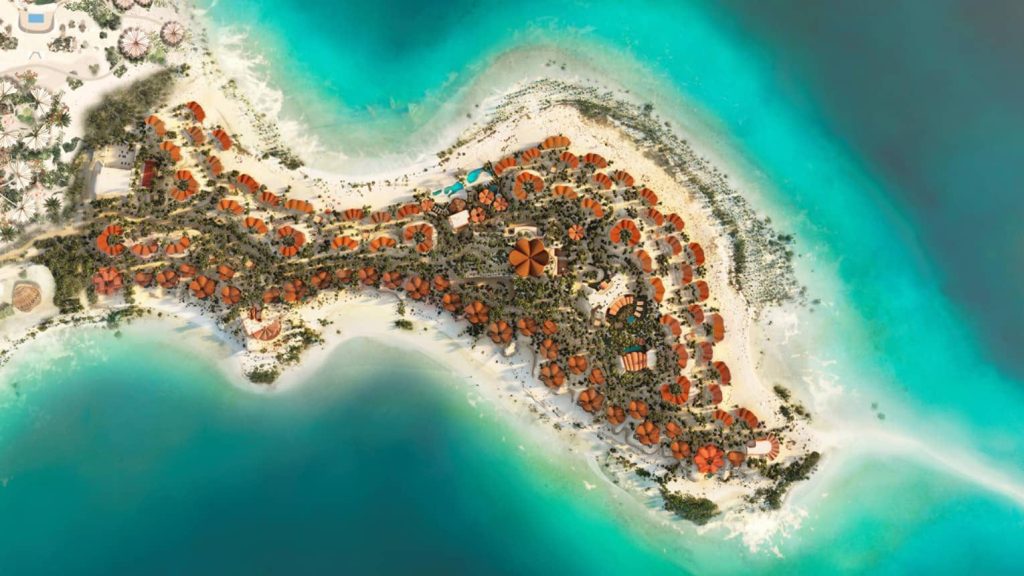
Four Seasons Resort and Residences Red Sea at Shura Island welcomed its first guests on May 20, 2026, and the date matters beyond the opening itself. Red Sea Global has spent years building the island as a destination in progress; this resort is the first proof that the work has moved into a hospitality phase. With 149 rooms and suites and 31 residences, arriving early here carries the same logic as arriving early to any address before its reputation is fully written: the guests who show up first get to define what the destination means.
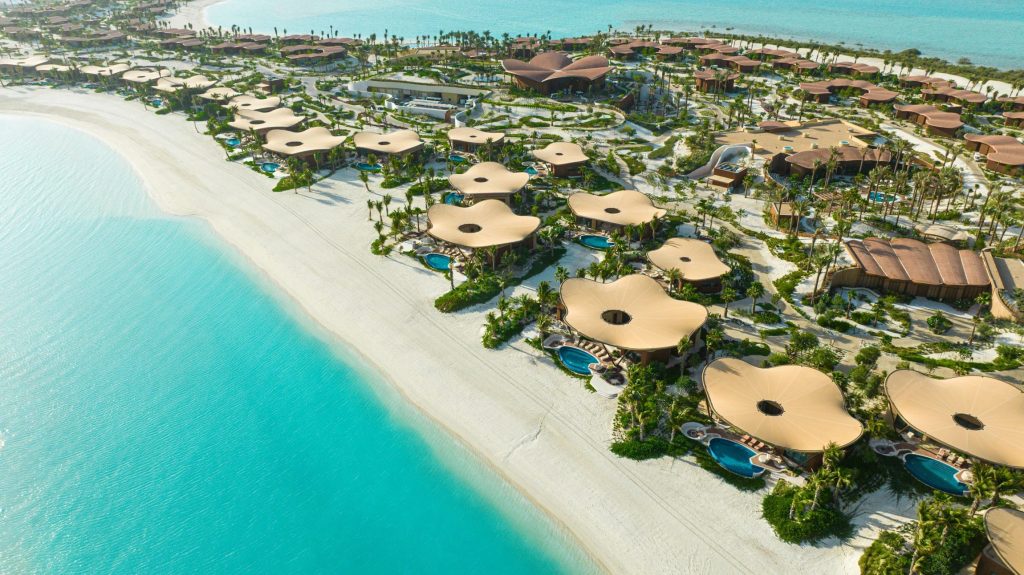
The approach reinforces the point. Guests land at Red Sea International Airport and continue by causeway to Shura Island, a 25-minute crossing that ends at a resort built against the coastline, its architecture answering the marine environment rather than competing with it. The golf, the reef access, and the island’s expanding roster of experiences give guests a reason to return once the novelty of the opening wears off.
United Arab Emirates
Six Senses The Palm, Dubai
Six Senses The Palm opened for stays on September 1, 2026, marking the brand’s UAE debut after resorts in Oman and Saudi Arabia. A brand this established rarely waits this long to reach Dubai, and the delay works in its favour – wellness-led hospitality has spent the past few years becoming something the city actively wants, not a category it’s still getting used to. Set on Palm Jumeirah’s West Crescent, the all-suite resort has 61 suites alongside 172 privately owned branded residences, with architecture and interiors drawing on regional building traditions.
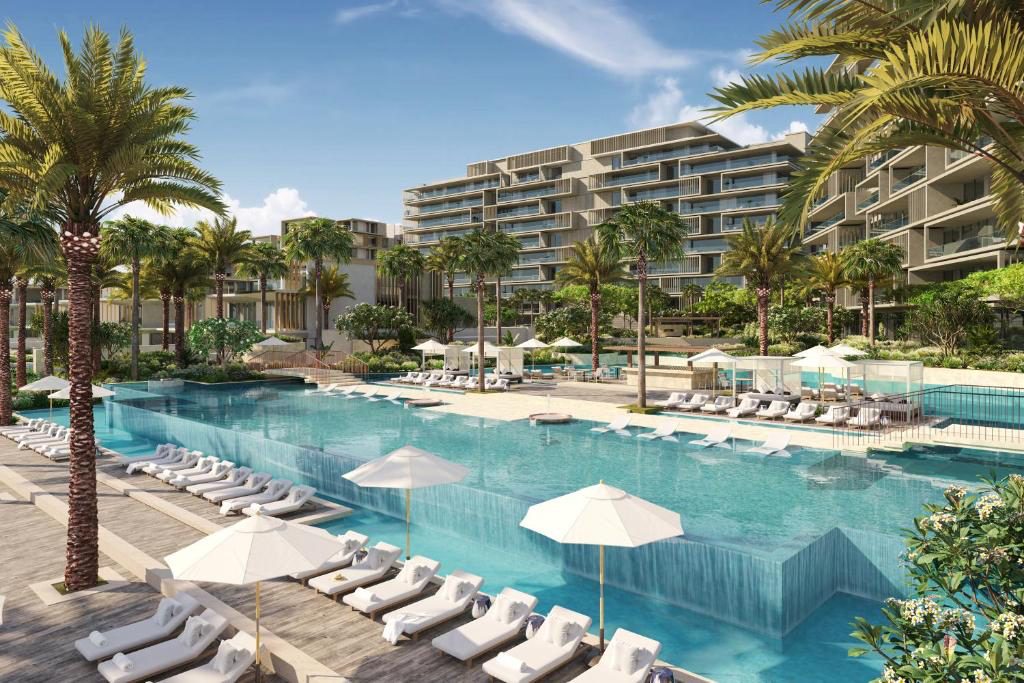
Wellness is the centre of the proposition. The resort’s offering extends beyond a conventional spa into longevity, hydrotherapy and biohacking, reflecting the growing appetite for hotels where wellbeing is part of the reason to travel rather than an add-on once you arrive. Four dining venues round out the resort, and the quieter West Crescent location suits a guest who has already tried the Palm’s louder addresses and is booking this one specifically to be left alone.
Four Seasons Resort Ajman at Al Zorah
Still to come in 2026, Four Seasons Resort Ajman at Al Zorah is scheduled to bring the brand to Ajman for the first time, and the way it’s arriving says as much as the arrival itself. This isn’t a resort built from nothing – it’s the Oberoi Beach Resort, Al Zorah, being reshaped under Four Seasons management, with the brand enhancing amenities, accommodations and wellness facilities rather than starting over. That distinction matters in a region where most new luxury openings are ground-up statements: a takeover signals confidence in a location the market has already tested, rather than a bet on one still unproven.
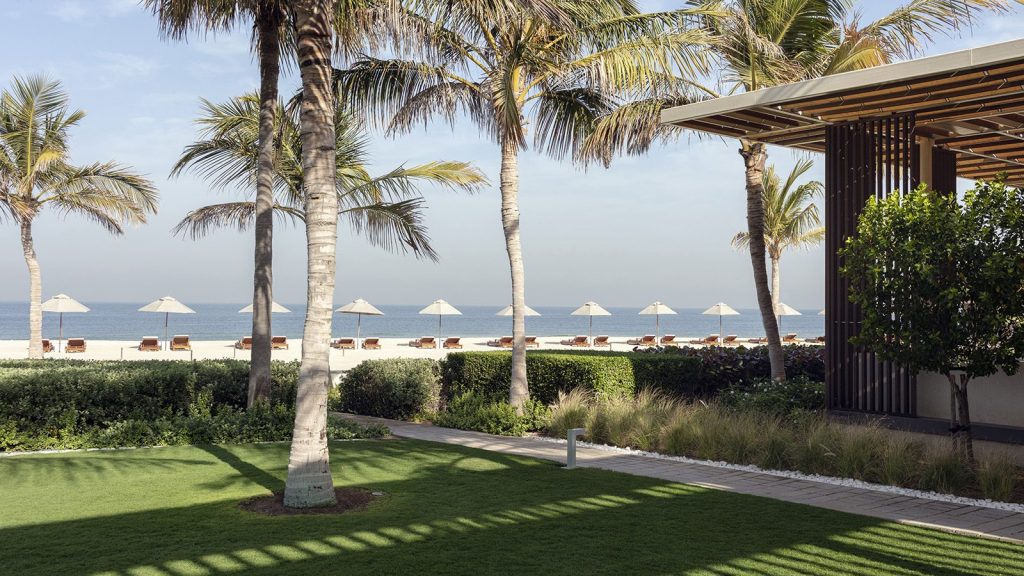
It is reported to have 74 guest rooms and suites and 23 villas, each with private terraces overlooking the Arabian Gulf. The setting is deliberately quieter than the UAE’s better-known luxury hubs, with access to the beach, pools, spa, nearby golf and the surrounding mangroves and lagoons – built for a guest who has already checked the box on Dubai’s skyline hotels and wants somewhere the view is the draw, not the address.
Worth Watching Beyond 2026
Anantara Sharjah Resort and Residences
Set to open in late 2027 on Al Heerah Beach, Anantara Sharjah Resort and Anantara Sharjah Residences will bring the Minor Hotels brand to a new part of the UAE’s luxury map. It’s Anantara’s eighth UAE property, but the first anywhere in Sharjah, and that distinction is the one worth watching. Dubai and Abu Dhabi have absorbed most of the region’s branded luxury growth for a decade; a major operator committing to Sharjah now is an early read on where that growth goes next. The development will have 110 rooms and suites and 128 branded residences, with 3.5 kilometres of beachfront, an Anantara Spa and five restaurants and bars.
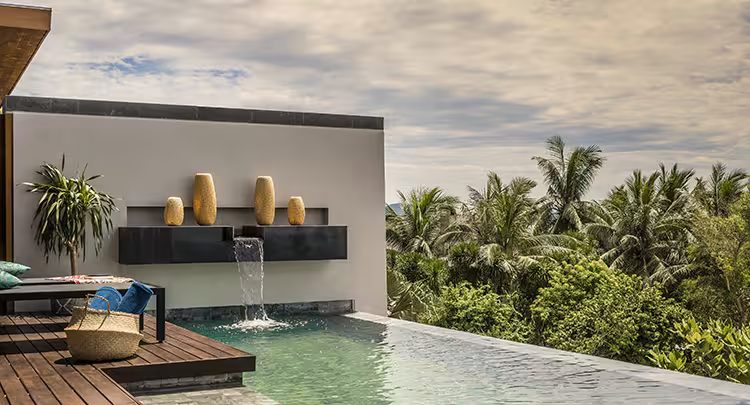
The project is being developed around the coastline rather than the city skyline. For Sharjah, it represents another step toward a more substantial luxury resort offering.
Baccarat Hotel & Residences Dubai
Baccarat Hotel & Residences Dubai remains one of Downtown Dubai’s most closely watched projects, and the pairing behind it is the reason. Studio Libeskind is designing the towers, and 1508 London is handling interiors – a combination that’s rare enough in the region to be worth tracking on its own, independent of when the doors actually open. The project will bring 144 hotel rooms and suites alongside branded residences, facing the Burj Khalifa from a site with a design pedigree most Downtown developments don’t have.
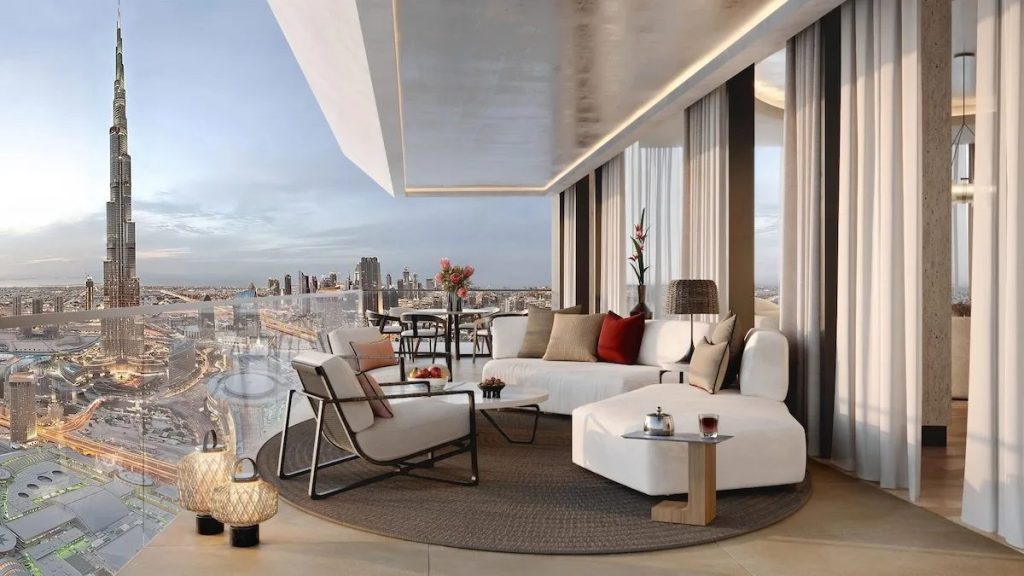
The opening date has moved more than once: first announced for 2026, later pushed to 2027, with some recent reporting suggesting 2028. Given that history, the project is best tracked as a landmark taking shape rather than treated as a hotel with a confirmed arrival date.
Nobu Hotel Al Marjan
Nobu Hotel, Restaurant and Residences Al Marjan Island is worth tracking for what it signals about Ras Al Khaimah’s ambitions, not just what it will eventually offer. Approximately 300 branded residences alongside a Nobu hotel and restaurant is a scale most emerging luxury markets don’t attempt on a first major branded entry, and Al Marjan Island is where that bet is being placed. The development will include a spa, fitness facilities, swimming pools and a beach club.
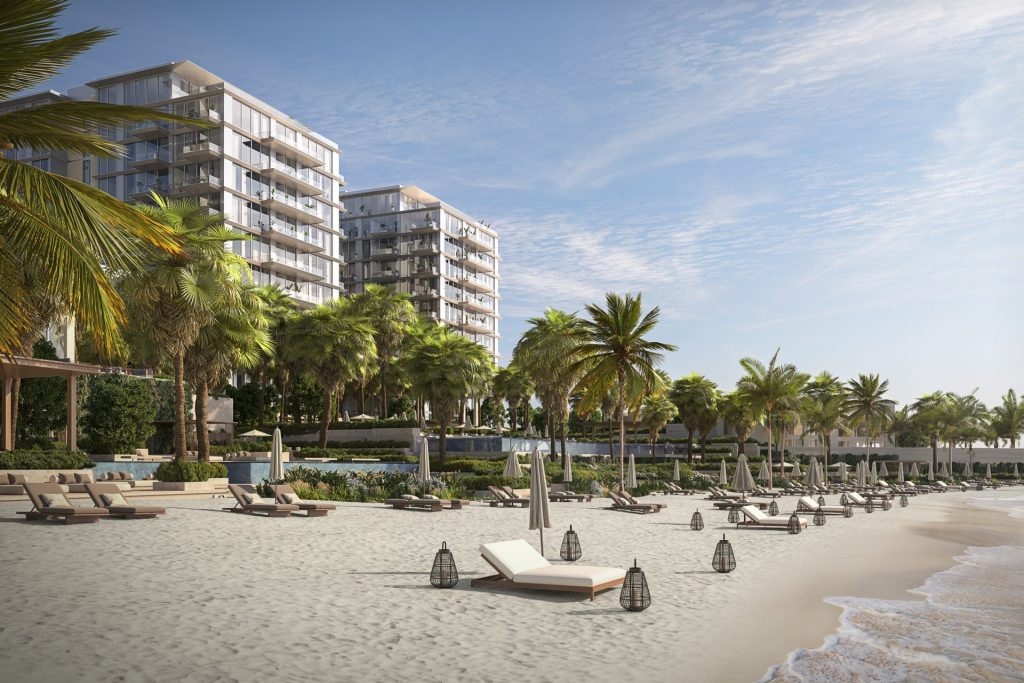
No completion date has been officially confirmed, so the project is best watched as part of the emirate’s broader push into high-end, destination-led hospitality. Its combination of beachfront living, branded residences and the Nobu name makes it particularly relevant to a market increasingly built around experience rather than address alone.
The Question Worth Asking
None of this is really about who opens first. The more interesting question is which of these hotels will still matter once the launch coverage has disappeared.
The answer may be different for each one. It could be a wellness programme worth returning for at Six Senses The Palm, a genuine connection to place at Raffles Jeddah or Four Seasons Red Sea, or the sense of arrival that comes with a new landmark in Downtown Dubai.
The Gulf’s hotel boom will likely continue well beyond 2026, carried forward by addresses that give travellers a reason to come back rather than those with the biggest room counts or the loudest opening announcements.
Read later
Share