Souad Abdelrasoul: an Egyptian artist on women, memory, and the body
 Read later
 Share
Share
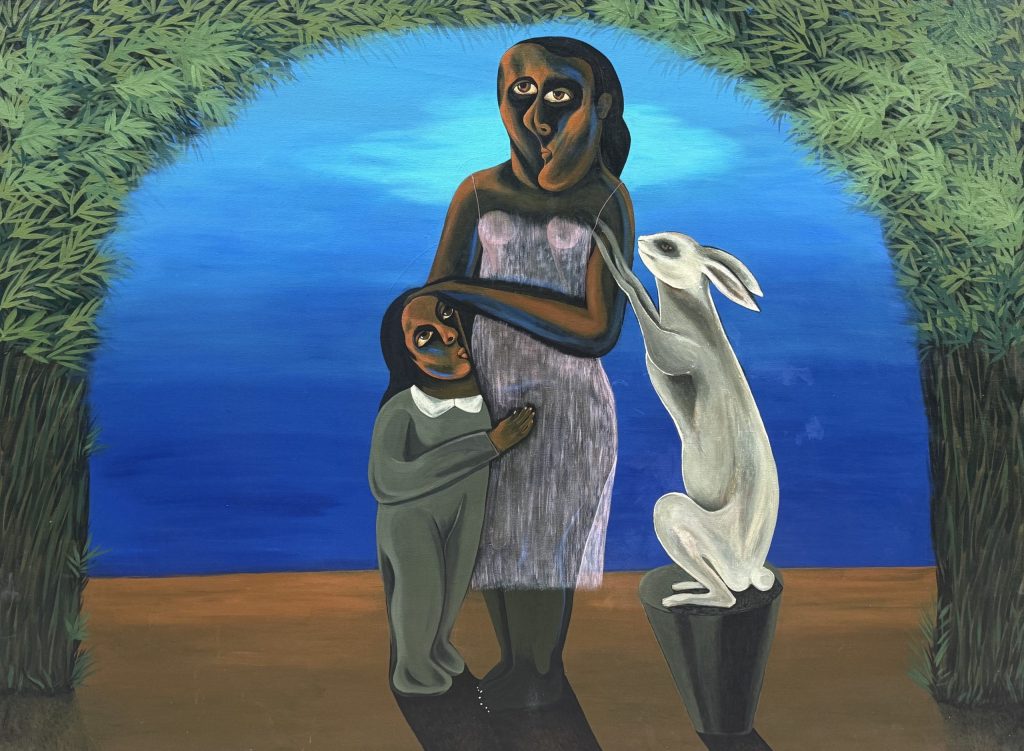
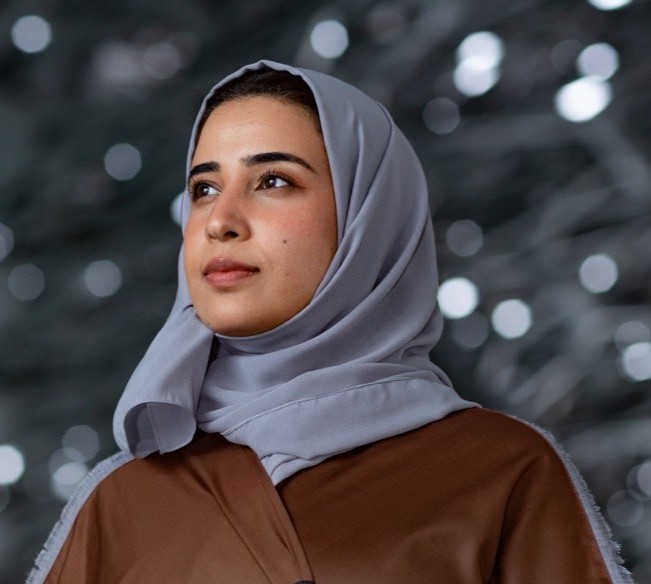
Souad Abdelrasoul paints bodies that don’t quite belong to this world — or rather, bodies that belong to too many worlds at once. A woman dissolves into roots and cellular membranes. A figure holds itself together while something unnamed pulls at its edges. Looking at Souad’s canvases, you get the sense that you are reading something, not just seeing it — a language that bypasses words entirely and arrives somewhere older.
This interview is part of our project Why Contemporary Art Is the New Code of Luxury — an ongoing conversation with unique Middle Eastern artists whose work redefines what it means for an object to carry value. Luxury, at its most essential, has always been about irreducibility: the thing that cannot be mass-produced, cannot be explained away, cannot be separated from the singular mind that made it. Souad Abdelrasoul’s paintings are exactly this kind of thing.
Souad Abdelrasoul was born in Cairo in 1974, studied at the Faculty of Fine Arts, and went on to earn a Master’s and then a PhD in Modern Art History — an academic trajectory that gives her work an unusual quality of self-awareness without rigidity. She knows the history of the figure in Western and Eastern painting intimately, and uses that knowledge the way a good writer uses grammar: as something to move through freely rather than obey. Souad’s practice spans painting, drawing, sculpture, and graphic design, but it is the paintings that have built her international following over more than two decades of exhibiting.
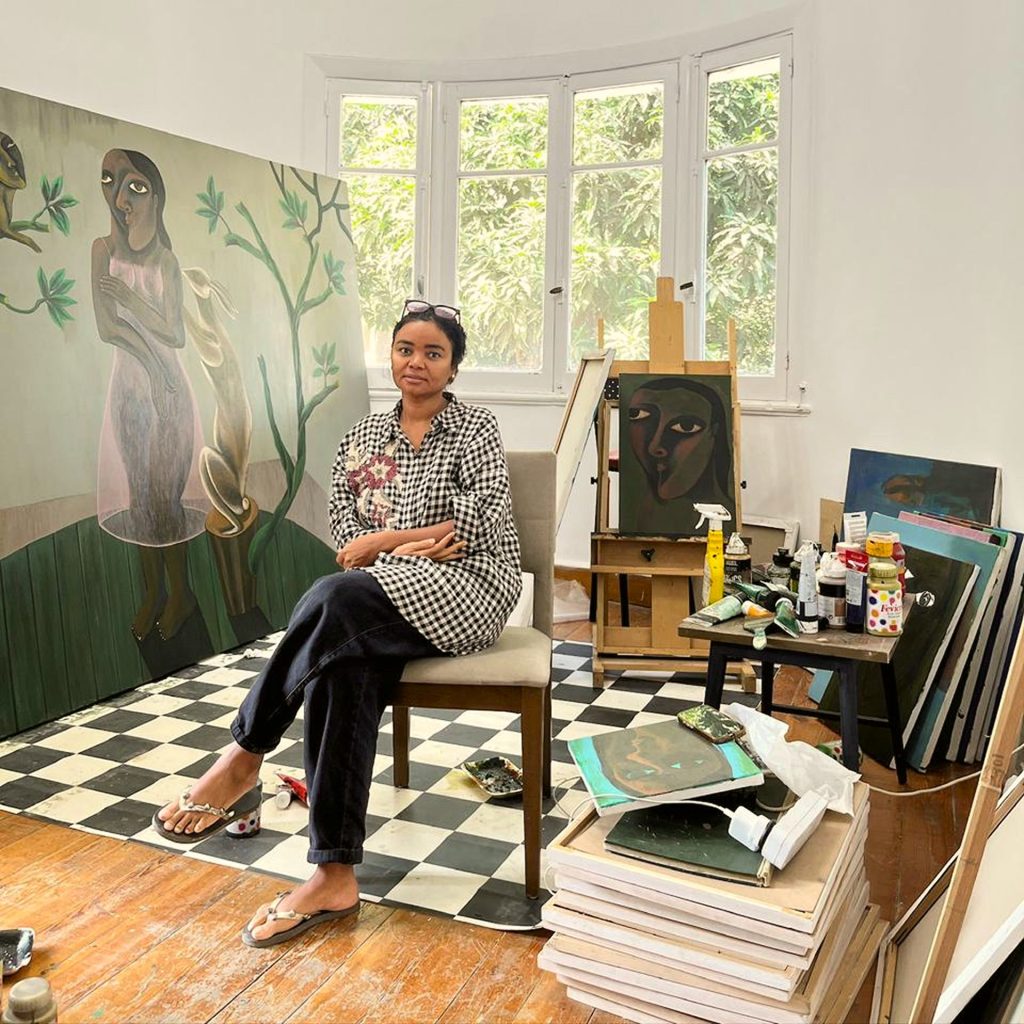
What draws collectors to Souad’s work is hard to articulate and easy to feel. There is an initial disorientation — these images don’t resolve quickly — followed by a slow recognition of something personal in the canvas. People find themselves in paintings that were never meant to portray them. That gap, between the mythological and the intimate, is where Abdelrasoul has chosen to live as an artist.
We sat down with the artist to talk about how that space came to be.
Your work speaks powerfully about the female experience, yet it never feels illustrative or declarative in a simple sense. Where do you think the origins of this impulse lie?
I never began with the intention of representing women in a literal sense. The impulse came from something much more internal — from living inside a female body and sensing how much of its emotional life remains invisible. Growing up, I observed how women often carry immense strength alongside vulnerability. These contradictions fascinated me. Painting gradually became a way to reveal those hidden layers. Over time the female figure in my work transformed from a representation into something closer to a psychological landscape. I am not illustrating femininity; I am mapping its invisible territories.
Many artists in the Middle East grow up within patriarchal cultural structures, yet very few articulate such a direct visual statement about the position of women. What compelled you to take this path?
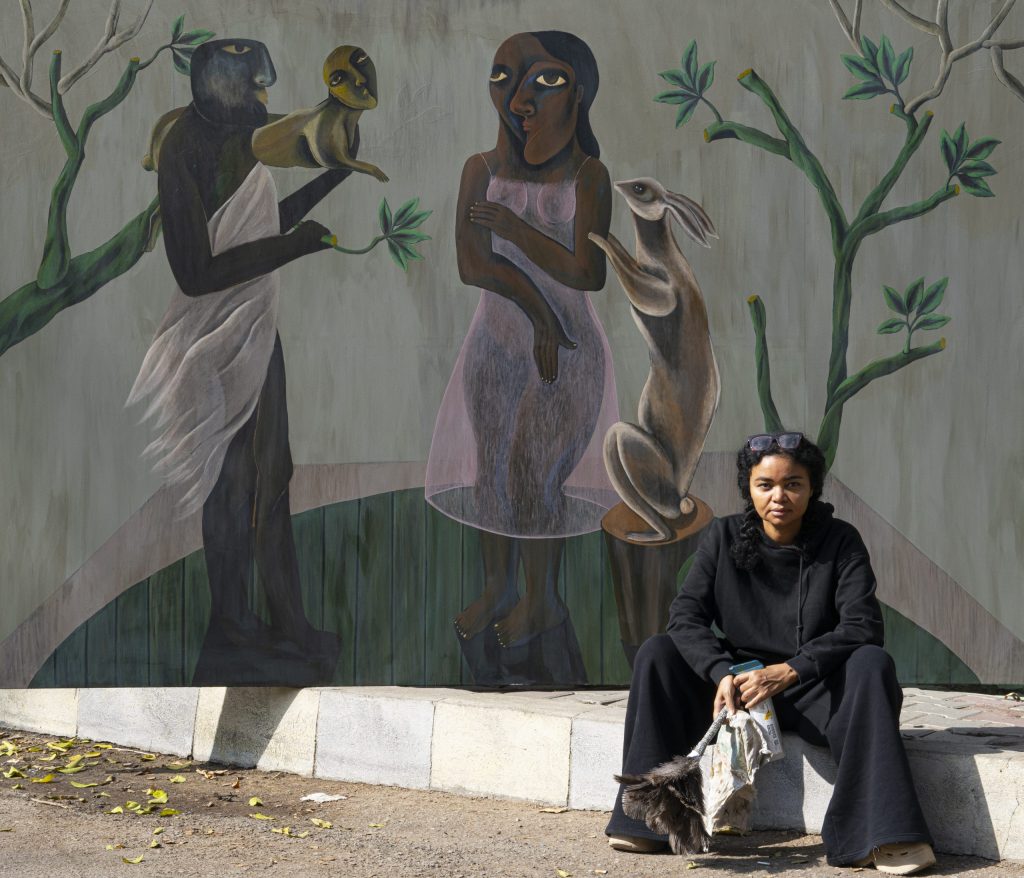
It was not a calculated choice. As a woman and an artist, I became increasingly aware that the female body has historically been treated as something to be observed rather than understood. In my work I attempt to reverse that dynamic. The female figure becomes the center of a universe rather than an object placed within it. The female body in my paintings is not an object of observation but a subject that carries memory, knowledge, and transformation.
In some of your paintings, the female body appears surrounded by elements that evoke vulnerability, consumption, or observation. When you create these images, are you reflecting personal experiences, collective memory, or something more symbolic?
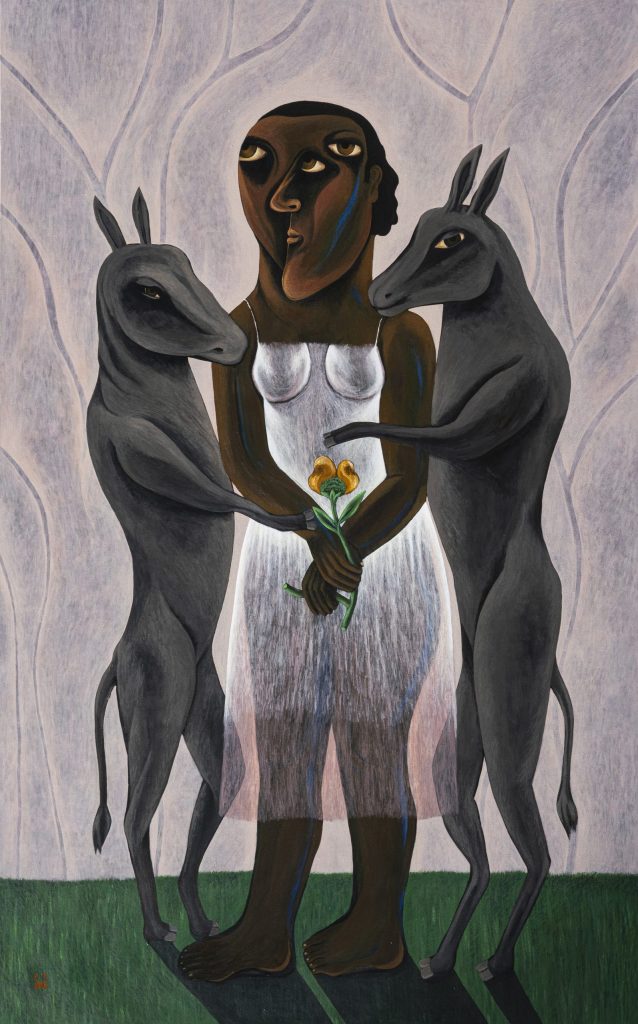
I think of them as emotional ecosystems. They are not decorative elements; they represent invisible forces that shape the body — protection, surveillance, tenderness, vulnerability. Human identity never exists in isolation. It is always influenced by systems around it: biological, social, psychological. My paintings are psycho-maps — visual territories where vulnerability and power coexist.
Critics have described your visual language as “magical psychological realism.” How did this language emerge?
It emerged gradually through experimentation. I was searching for a visual language that could hold both the biological and the metaphysical dimensions of the human body. The body is a physical organism, but it is also a vessel of memory, emotion, and imagination. By combining anatomical imagery with elements from nature — plants, animals, cellular forms — the figure began to exist within a hybrid universe. The body is never isolated. It belongs to a much larger ecosystem — psychological, biological, and cosmic.
Your paintings weave together mythology, biology, nature, and fragments of scientific imagery. What draws you to these systems of knowledge?
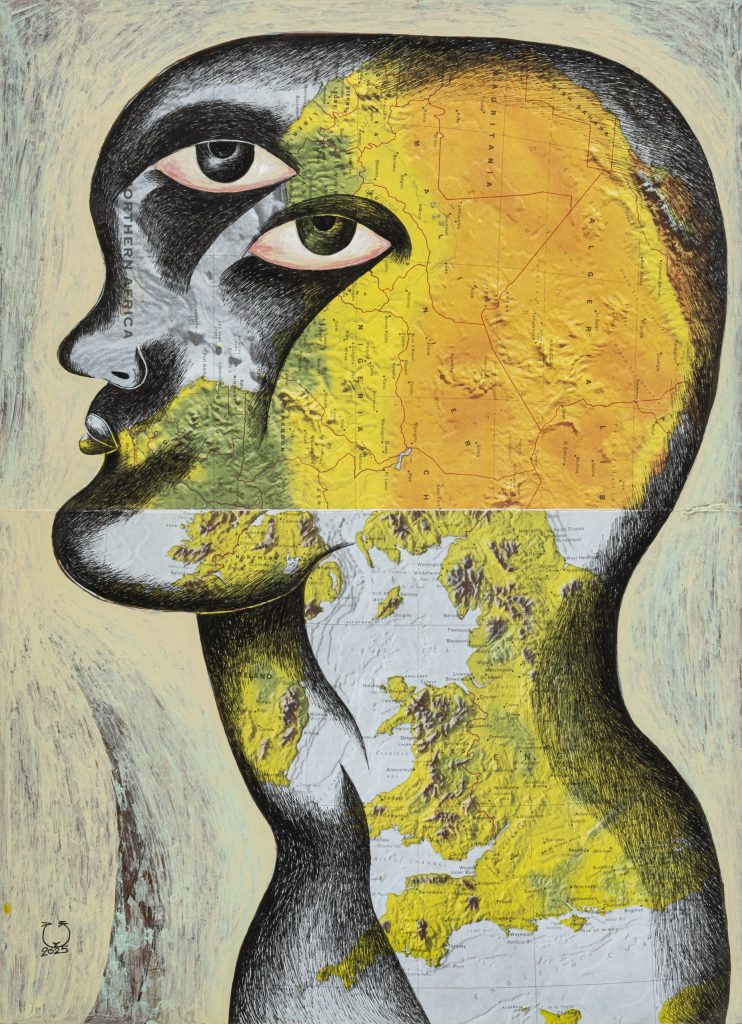
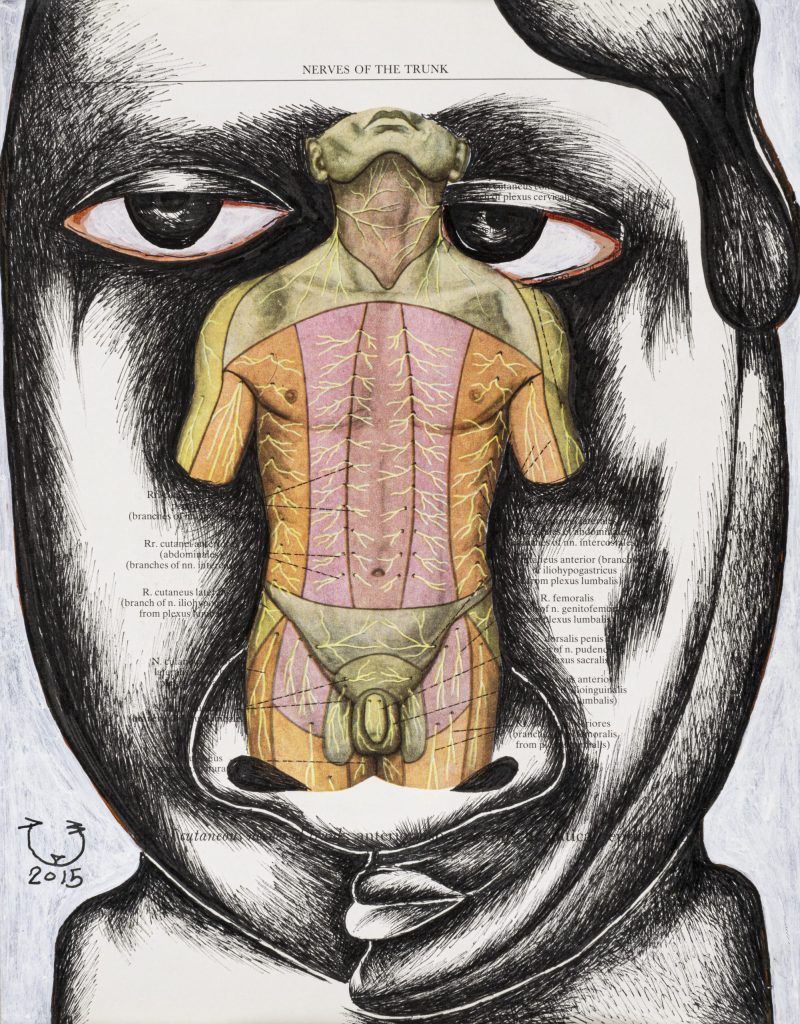
All of these systems attempt to understand existence. Science explains how life functions. Mythology explores its symbolic meaning. Nature reveals patterns that exist beyond language. The human body sits precisely at that intersection. That intersection is where my paintings live.
Motherhood is a recurring presence in your reflections. How has it transformed the way you see strength and adaptation in your work?
Motherhood changed my understanding of strength. It revealed a resilience that is immense and largely unspoken — the capacity to nurture, protect, and adapt simultaneously. In my work, the female figure increasingly embodies both fragility and protection. She becomes a force of creation.
You hold a PhD in Modern Art History. How does that academic background shape the way you approach painting?
Studying art history gave me an awareness of the long conversation artists have had with the human figure across centuries. But painting must remain instinctive. Knowledge informs the work, but intuition ultimately shapes it.
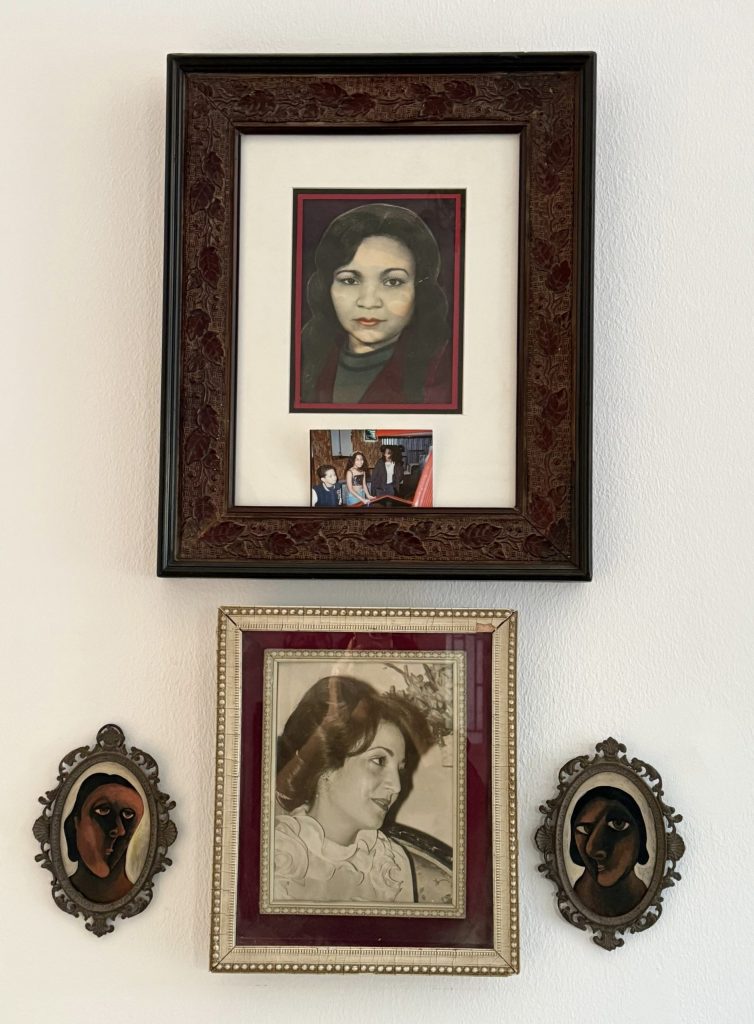
Who are the figures — artists, thinkers, or women in your own life — who have served as important reference points?
Some of the strongest influences in my life are not artists. The women around me — my mother, my daughter, and many others I have known — carry stories of resilience and tenderness that continue to shape my understanding of the world. Artists may influence my visual vocabulary, but these women influence the emotional core of my paintings.
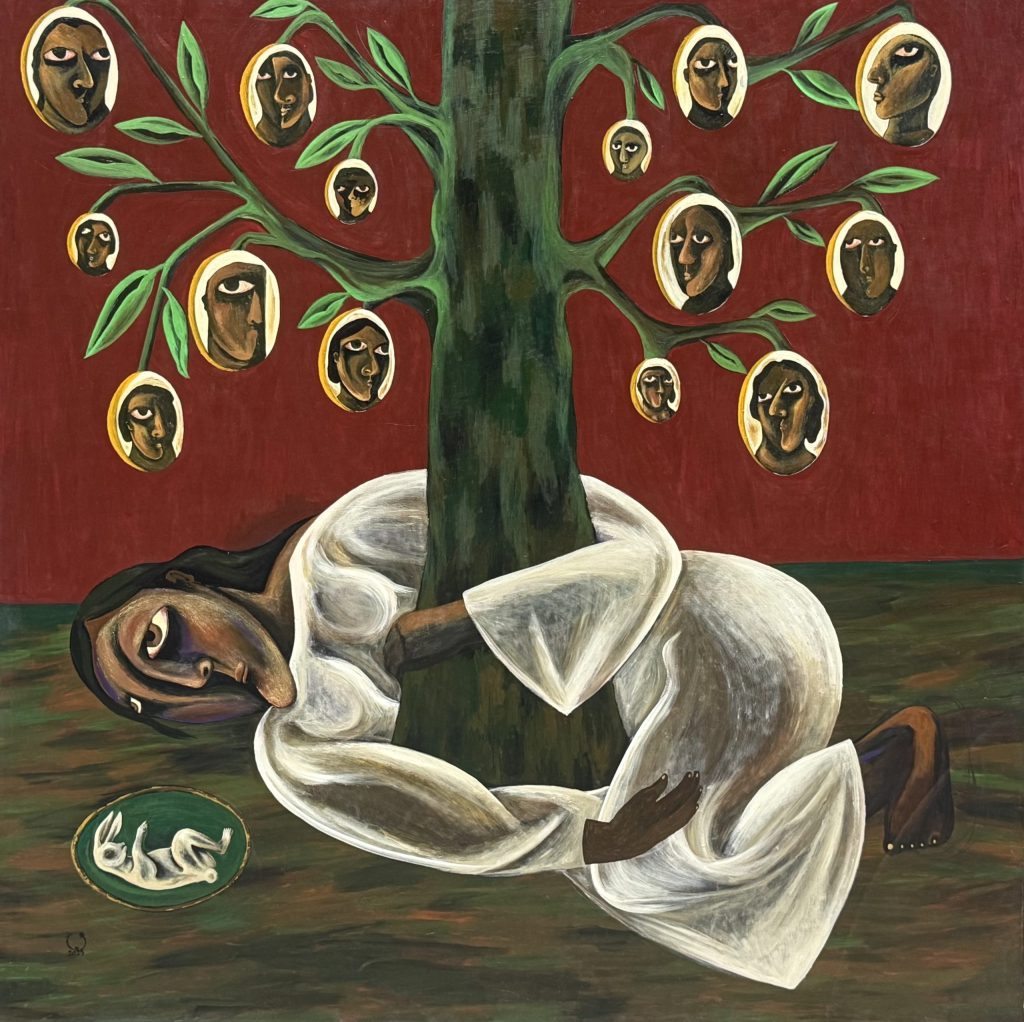
Your works often evoke tenderness and trauma simultaneously. Is painting for you a form of confrontation, healing, or something else entirely?
Human experience rarely separates these emotions. Tenderness often emerges from vulnerability, and trauma can coexist with beauty. Painting allows me to inhabit these contradictions without simplifying them. Painting, for me, is a way of translating invisible emotional landscapes into visible forms.
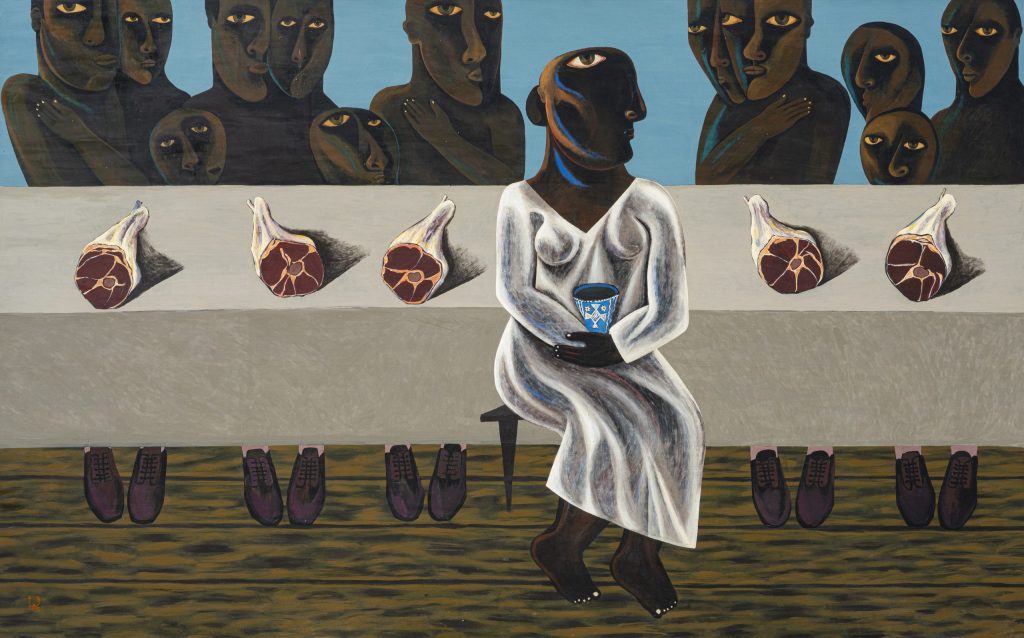
Your works are widely collected. Are there pieces available or upcoming projects you’d like to share?
My paintings often create an initial visual shock, usually followed by silence. Gradually, viewers recognize something of themselves within the image — a shared emotion such as pain, tenderness, or strength. In that moment, they begin to empathize with themselves before they empathize with the painting. I am currently working on a new series that continues my exploration of what I call Psycho-Maps and Metaphysical Bodies, where each work attempts to map an inner psychological territory.
Looking ahead, how do you see your practice evolving in the coming years?
I feel the work is gradually expanding its territory. For years I explored the internal landscapes of the body. Now I am increasingly interested in how these bodies exist within larger environments. In the future, the boundaries between body, landscape, and ecosystem may become less defined. The body, in my work, is not only a figure — it is a territory where memory, nature, and imagination intersect.
Finally, if you could leave one thought or message for women today — particularly young women trying to define their own place in the world — what would you want to tell them?
I would tell them not to wait for permission to exist fully. The world often attempts to define women through limitations. But identity must be built from within. Trust your intuition and your voice. Women have always carried worlds within them — resilience, imagination, and the power to transform reality.
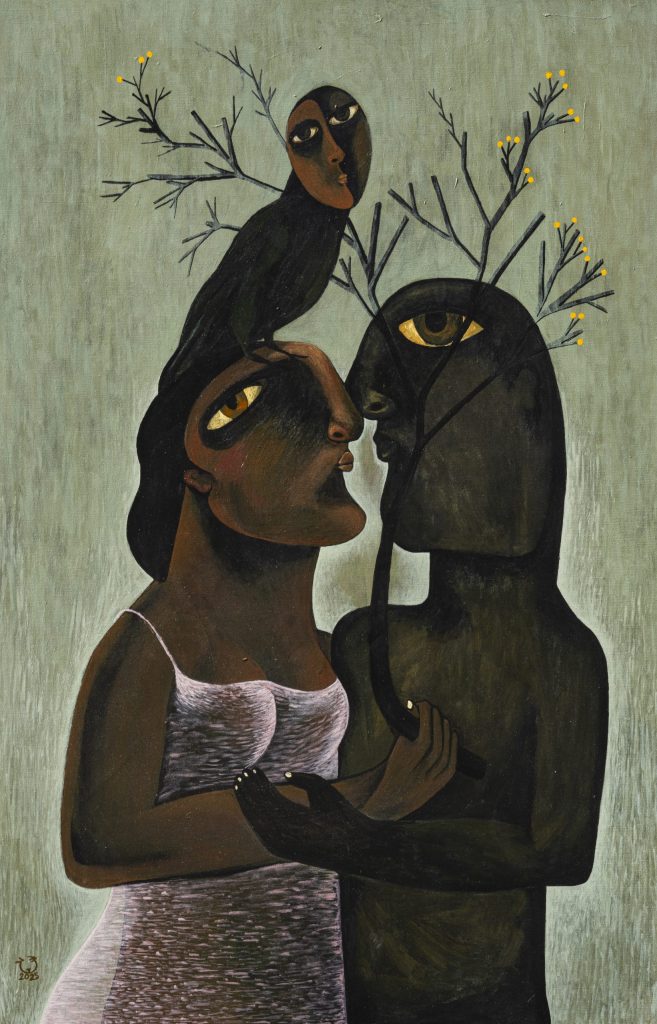
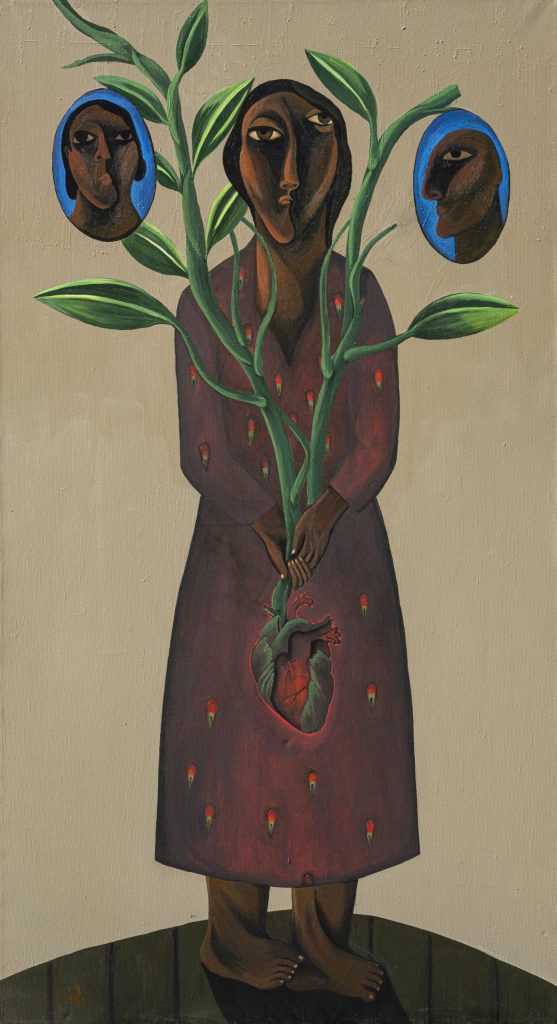
Souad Abdelrasoul’s work is available through select galleries and platforms. Her forthcoming series, Psycho-Maps and Metaphysical Bodies, continues her decades-long inquiry into the body as landscape, memory, and living territory.
Read later
Share