Art Investment in the Middle East: A Guide for UAE & Qatar UHNWIs
 Read later
 Share
Share
The art world in the Middle East has entered a new era. What was once seen primarily as a cultural pursuit has transformed into a sophisticated investment landscape, attracting high-net-worth individuals across the UAE and Qatar who are seeking both financial resilience and intellectual enrichment.
As the region strengthens its position as a global cultural hub—supported by world-class museums, emerging art districts and an increasingly international collector base—investing in art has become an appealing strategy for those looking to diversify portfolios, protect long-term wealth and participate in a fast-evolving cultural ecosystem.
For affluent individuals in the Gulf, art investment is no longer only about aesthetic appreciation. It represents stability, legacy and status—values that align deeply with the refined lifestyles of residents in Dubai, Abu Dhabi and Doha.
The growing art market in the Middle East — recent trends and institutional support
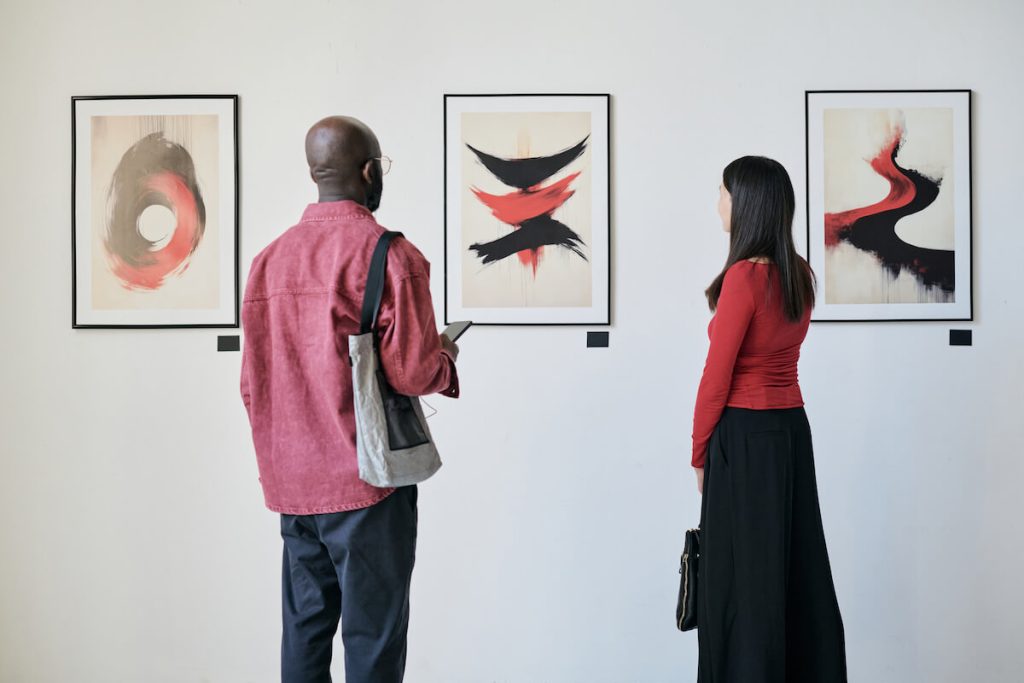
The Middle East’s art market has expanded significantly in the last decade, driven by cultural investment, government initiatives and increasing global recognition. The establishment of major art institutions in the region has positioned the UAE and Qatar as central players in the global art landscape.
A cultural ecosystem that attracts global attention
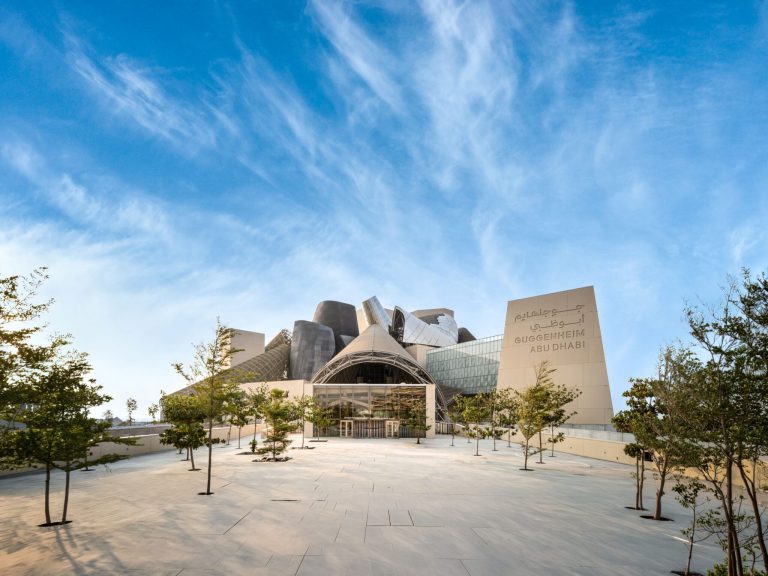
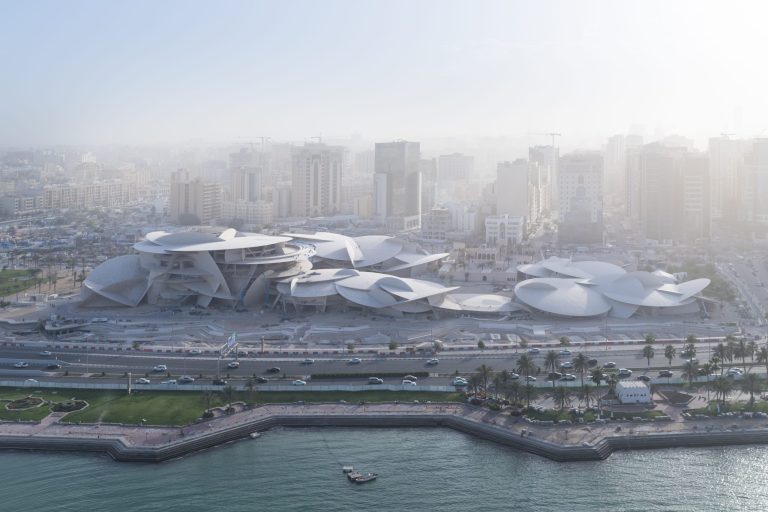
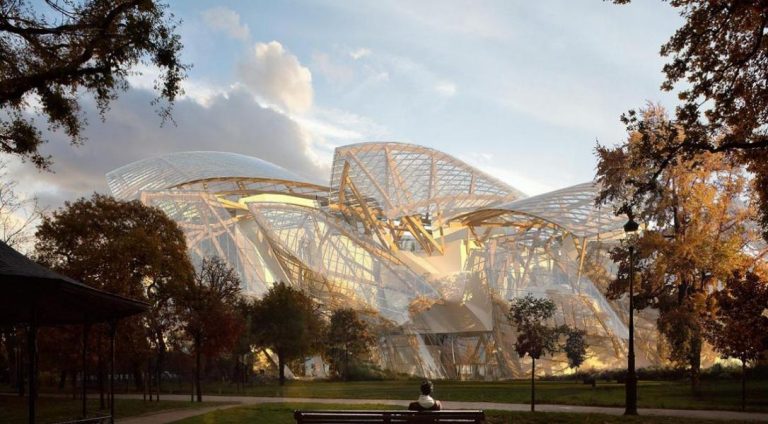
The region’s cultural footprint continues to grow thanks to high-level initiatives, museum openings and public art programmes. Spaces like museum Abu Dhabi, museum Dubai, museum Qatar and the rise of immersive art destinations such as arte museum Dubai and arte museum Qatar have elevated the region’s international profile.
These cultural developments encourage not only tourism but also the confidence of UHNW collectors who see the Gulf as a stable base for building and storing valuable art portfolios.
Rise of collectors and cultural sophistication
There is a noticeable increase in discerning collectors who actively engage with the regional art scene, visiting exhibitions, supporting galleries and attending international fairs hosted in the region. The growing number of art galleries in Dubai, art galleries in Abu Dhabi and art galleries in Qatar creates a vibrant ecosystem where investors can immerse themselves in diverse artistic expressions and identify opportunities early.
International integration and global market influence
The Middle Eastern art scene is increasingly connected to global markets, with international galleries and auction houses paying close attention to Gulf-based collectors. This integration helps reinforce transparency, confidence and liquidity—crucial factors that benefit UHNWIs who invest strategically.
Tax and regulatory advantages in UAE and Qatar for art buyers
The UAE and Qatar offer a favourable regulatory environment for art investment. Both markets emphasise economic openness, stability and investor-friendly policies.
A tax environment that supports high-value acquisitions
The absence of personal income tax and capital gains tax in the UAE and Qatar offers a distinct advantage to individuals who consider art a core component of their wealth strategy. Unlike many Western jurisdictions, the Gulf allows collectors to grow their art portfolios without heavy fiscal burdens.
Free zones and safe storage options
Free zones dedicated to culture and logistics provide secure, climate-controlled environments where collectors can store high-value pieces. These facilities offer discretion, safety and ease of movement—important considerations for investors focused on privacy and long-term asset protection.
Ease of movement across borders
The region’s position as a travel hub makes it easier to move art across international exhibitions, fairs and galleries, enabling collectors to stay engaged with the global market while maintaining a strong base in the Gulf.
What defines “blue-chip” art — provenance, rarity and long-term value
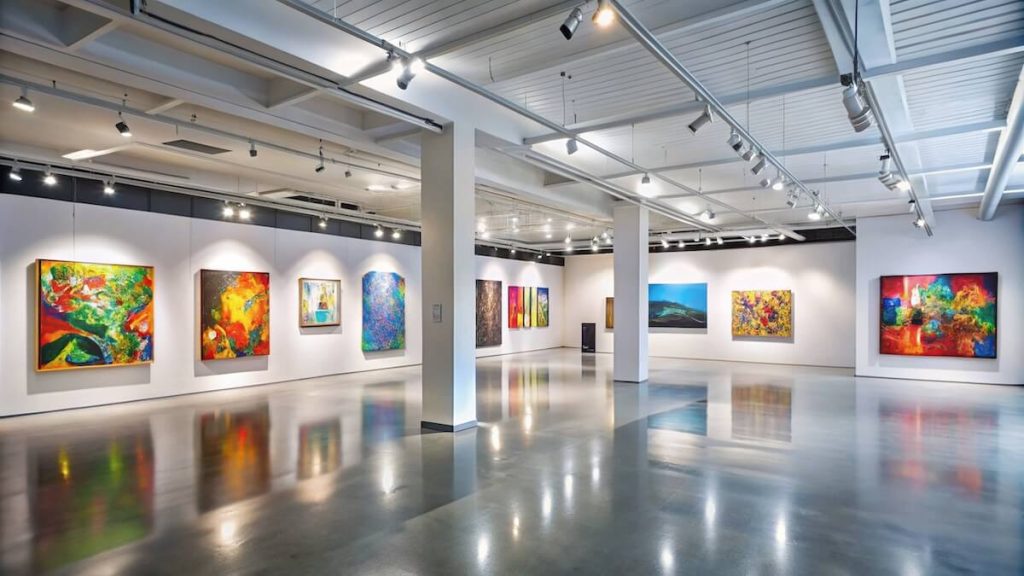
Art investment is most effective when the assets selected have qualities that ensure long-term demand and value retention.
Provenance as the foundation of trust
A documented history of ownership, exhibitions and publication increases trust in a work of art and reduces risks. This traceability is essential for UHNWIs seeking stable, high-value acquisitions.
Rarity as a driver of price appreciation
Artworks that are truly unique or limited in number tend to hold value better over time. Rarity helps ensure liquidity, even in fluctuating markets, and is a core element of any investment strategy.
Cultural relevance and historical importance
Pieces that reflect important artistic movements or regional narratives often gain prominence as the Middle Eastern art market continues to mature. Such works appeal not only to collectors but also to institutions looking to expand their regional narratives.
How to start as an art investor — education, exploration and due diligence
Art investment requires both intuition and rigor. For UHNWIs in the Middle East, the path often begins with building cultural literacy and engaging actively with the regional art environment.
Immersing yourself in local museums and galleries
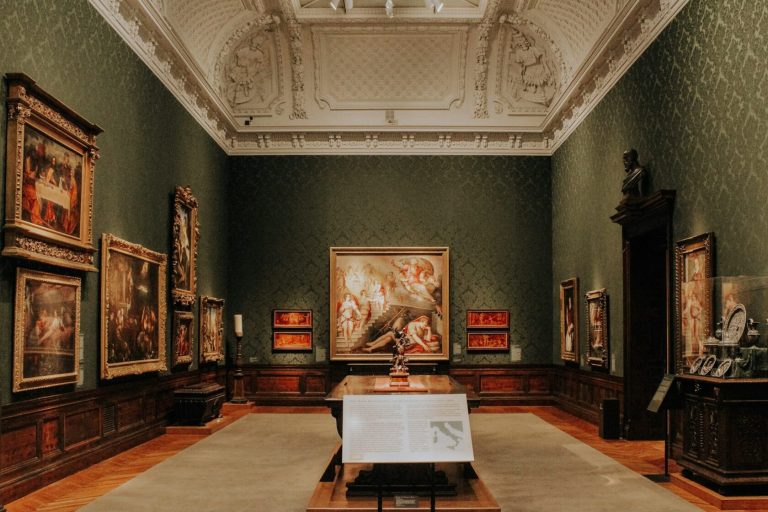
Visiting key venues—such as arte museum, museum Dubai, museum Abu Dhabi, museum Qatar, or leading art galleries in Dubai and art galleries in Qatar—helps investors understand the diversity and direction of the art scene. Exposure sharpens taste, builds confidence and supports more informed acquisition decisions.
Developing a long-term collecting vision
Successful art portfolios are guided by a clear vision. This may include thematic collecting, focusing on specific mediums or acquiring works that resonate culturally or aesthetically. A coherent collection strengthens long-term value and legacy.
Conducting due diligence
Before purchasing, UHNWIs should evaluate documentary evidence, condition reports, market history and authenticity records. For very high-value works, independent verification is essential.
Risks and considerations — liquidity, storage, and market volatility
Art is a tangible asset, but like all investments, it comes with risks that must be considered carefully.
Liquidity and timing
The art market is not as liquid as equities or bonds. Selling can take time and depends on demand, seasonality and global market conditions. Understanding these dynamics helps investors plan long-term strategies more confidently.
Proper storage and conservation
High-value artworks require controlled environments to maintain their condition. The Gulf’s climate makes professional storage essential, especially for delicate materials. Failing to protect pieces adequately may reduce long-term returns.
Valuation challenges
Art valuation is subjective and influenced by trends, critical reception and cultural shifts. Regular appraisals ensure collectors understand the current value of their assets and can adjust their portfolios accordingly.
Long-term value: diversification, wealth preservation and legacy
For UHNWIs in the UAE and Qatar, art investment is deeply aligned with concepts of legacy, heritage and long-term stewardship.
Diversifying across asset classes
Art can act as a stabilising asset within a broader portfolio. It behaves differently from the stock market and provides protection during periods of inflation or uncertainty.
Wealth preservation through cultural capital
Art investments not only hold monetary value—they also enrich personal and family legacy. Displaying a curated collection at home or contributing to cultural spaces strengthens reputation and influence in social and cultural circles, including private networks and exclusive environments like arts club Dubai.
A multi-generational asset
Art is unique in its ability to carry emotional, cultural and financial value across generations. It becomes a tangible expression of identity, heritage and refined taste—qualities deeply appreciated among affluent families in the Gulf.
A sophisticated asset for a sophisticated region
Art investment in the Middle East reflects the region’s rising cultural prominence, economic stability and evolving identity. For UHNWIs in the UAE and Qatar, it offers a rare combination of luxury, intellectual fulfillment and strategic financial benefit.
With a thriving cultural ecosystem, favourable regulations and a rapidly growing regional market, the Gulf provides an ideal landscape for cultivating an art portfolio that speaks to both personal meaning and long-term wealth.
Whether as a hedge, a passion or a legacy, arƒt stands as one of the most compelling luxury investment strategies for those shaping the future of the Middle East.
Read later
Share