Major Arabian horse bloodlines and equestrian sport in the UAE
 Read later
 Share
Share
In the Arabian world, bloodline comes first
In serious Arabian horse breeding, the conversation rarely starts with the breed itself. It starts with bloodline. The Arabian horse is one breed, but within that breed, certain lines have built reputations that still shape how breeders, riders, and buyers judge pedigree, type, stamina, temperament, and long-term value.
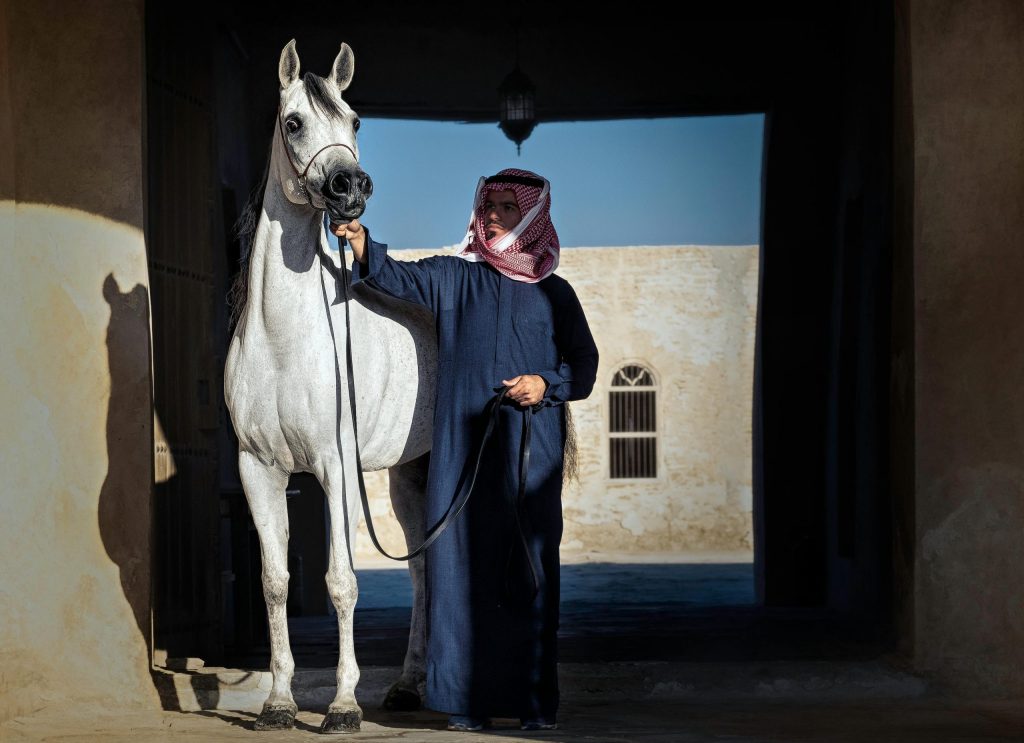
That distinction matters in the UAE because Arabian horses are not treated only as heritage symbols. They remain visible in active sport, public competition, elite presentation, and private breeding programmes. From endurance and racing to international championship showing, the Arabian horse continues to hold a central place in the country’s equestrian culture. Let’s have a look at the major Arabian horse bloodlines.
Straight Egyptian
Straight Egyptian is often the first bloodline people mention when the subject turns to classic Arabian refinement. The line is closely associated with pedigree purity, desert ancestry, and a highly recognisable type: refined features, expressive eyes, elegant necks, and strong show-ring appeal.
Part of the appeal is visual, but not all of it. Straight Egyptian blood also carries a sense of pedigree clarity. Breeders know what the name suggests, and buyers often recognise it before they understand every detail of the horse in front of them. In the Gulf, where type, presentation, and lineage all carry weight, that recognition matters.
The line’s prestige is also linked to rarity and show success. Straight Egyptian Arabians represent only a small share of the wider Arabian population in some major registries, yet they have achieved a much larger share of national-level titles. That combination of scarcity, identity, and proven show-ring appeal gives the line unusual authority in elite Arabian breeding.
Polish Arabian
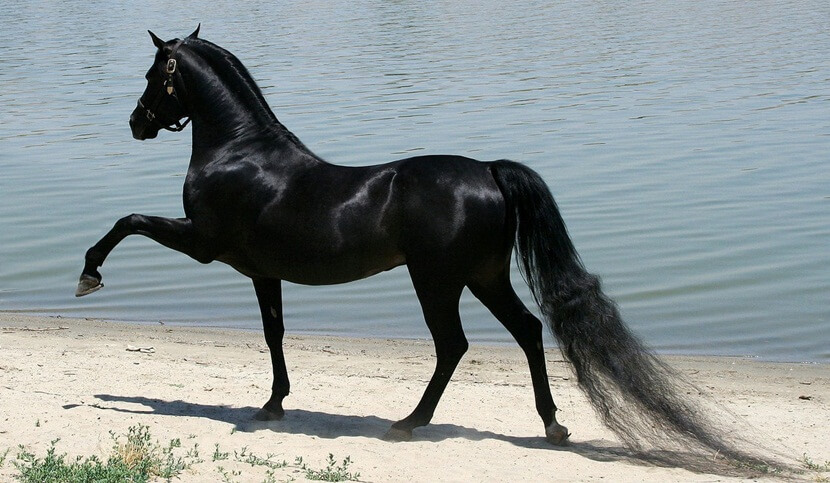
Polish Arabians have a different kind of authority. They are respected for balance: beauty without fragility, athleticism without losing Arabian type, and enough substance to make the horse useful beyond the show ring.
Polish breeding history is strongly tied to structure, selection, and performance testing. Racing was used as a way to assess physical ability, soundness, recovery, and stamina, not simply as a competitive spectacle. That shaped the reputation of Polish Arabians as horses with both refinement and practical athletic value.
That makes Polish blood especially relevant in a market where Arabian horses are judged across several dimensions at once. A horse may need type and presence, but performance, conditioning, movement, and long-term breeding value also matter. Polish Arabians sit naturally in that space because their reputation was built around both beauty and function.
Crabbet Arabian
Crabbet Arabians come from a more practical, riding-focused tradition. Their roots go back to historic English Arabian breeding, and the line has long been associated with soundness, temperament, and usefulness rather than pure show-ring drama.
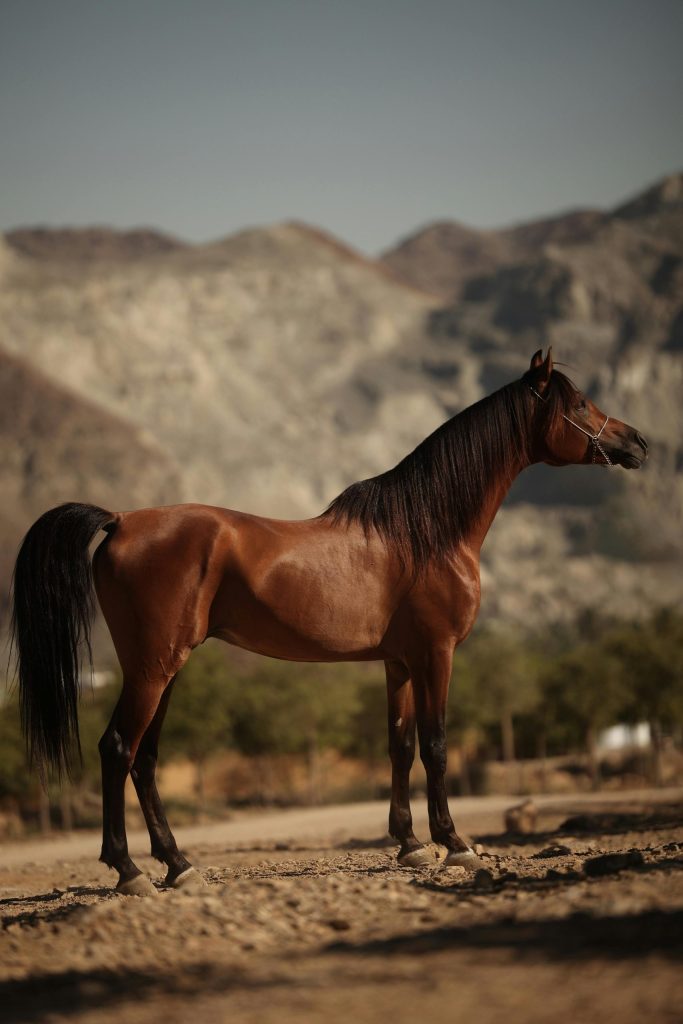
That does not make Crabbet blood less important. In many ways, it gives the line its staying power. These horses appeal to people who want an Arabian that can be lived with, ridden, trained, and trusted. They are often valued for structure, steadiness, and the kind of quality that becomes more obvious over time rather than in a single dramatic first impression.
In the UAE, where equestrian culture moves between sport, heritage, private ownership, and public presentation, that kind of horse still has a clear place. Not every valuable Arabian is defined by spectacle. Some earn their reputation through durability, rideability, and the confidence they give their owners.
Russian Arabian
Russian Arabians are usually discussed in more technical breeding language. The appeal is less about instant romance and more about depth: pedigree strength, consistency, athletic influence, and the discipline of the breeding programme behind the line.
The Russian Arabian tradition developed through organised breeding, careful selection, and the use of performance as a measure of quality. Over time, the line became known for horses with substance, presence, movement, and international breeding influence.
Russian blood may not always be the easiest story to sell to a casual audience, but serious breeders understand its value. It often appeals to buyers who look past surface impression and ask what a horse can contribute genetically. In a market such as the UAE, where experienced owners often pay close attention to pedigree and breeding value, that gives Russian Arabians a quieter but lasting relevance.
Why Arabian horses remain visible in the UAE
The UAE is one of the places where Arabian horse culture remains active rather than purely historical. Endurance is a major part of that picture, and the country has built a strong international profile in the discipline. Racing adds another layer, with major race meetings that include Purebred Arabian races. Championship showing also remains important, with high-profile Arabian horse events attracting horses, breeders, owners, and visitors from inside and outside the country.
This mix is what keeps the Arabian horse central to the country’s equestrian identity. The breed is not confined to one role. It appears in sport, breeding, public events, private collections, and cultural presentation. That range gives bloodlines practical relevance. They are not just names in old pedigrees; they affect how horses are chosen, trained, shown, raced, marketed, and valued.
Final take
Straight Egyptian, Polish, Crabbet, and Russian bloodlines each carry a different kind of authority. Straight Egyptian blood is associated with refinement, purity, and immediate recognition. Polish blood brings balance, athletic testing, and performance credibility. Crabbet blood is valued for soundness, temperament, and riding quality. Russian blood stands out for pedigree depth, consistency, and long-term breeding influence.
In the UAE, those differences still matter because Arabian horses are not treated as static heritage objects. They remain active in endurance, racing, showing, and breeding. A bloodline is not just a name in a pedigree. It is part of how the horse is understood — by breeders, owners, riders, judges, and buyers in one of the region’s most visible equestrian markets.
Read later
Share