Interview with Conor Dirks: Head Chef of Dubai’s Bungalo34
 Read later
 Share
Share
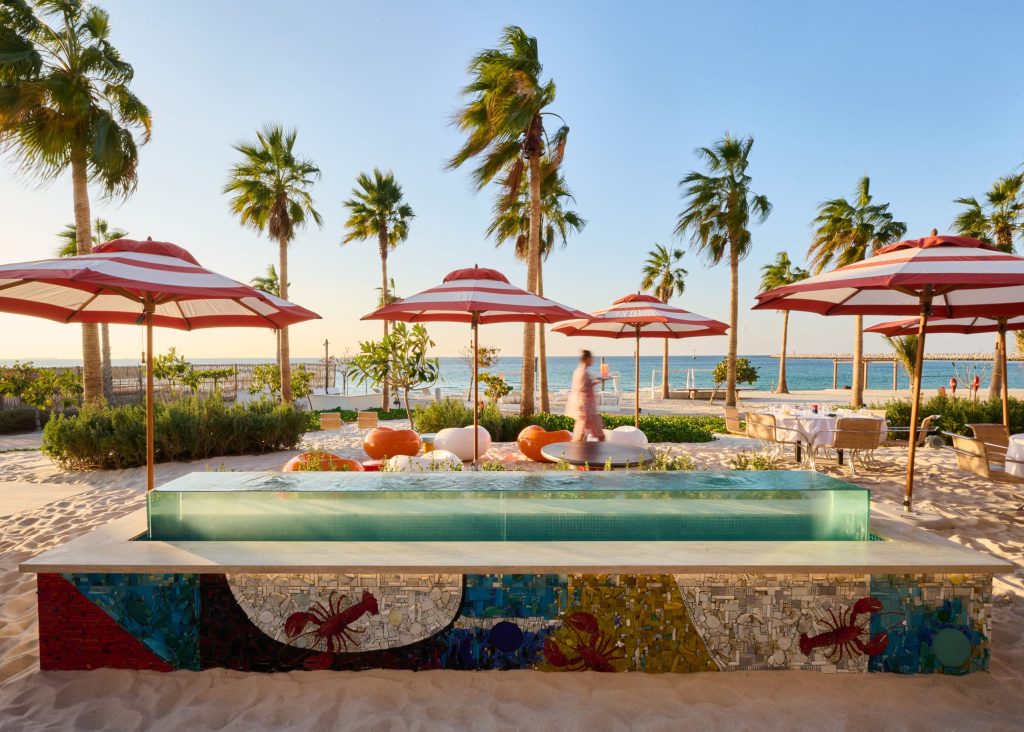
In Dubai, beachside restaurants often promise escape — a brief pause from the city’s relentless pace. Few, however, manage to translate that idea into something that feels both effortless and intentional. At Bungalo34, set along the shoreline of the Jumeirah Fishing Harbour, the atmosphere is built around a Riviera sensibility: relaxed, sunlit, and quietly confident in its simplicity.
The restaurant’s identity draws from Mediterranean coastal culture. Food there is guided by seasonality, ingredient quality, and a lifestyle of long lunches with sea views. The kitchen focuses on clarity and precision — allowing ingredients to take centre stage while the setting itself provides the sense of occasion.
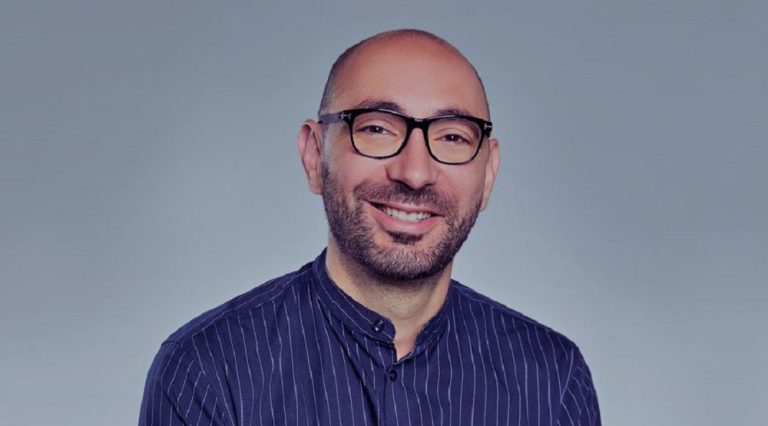
Leading the kitchen is Conor Dirks, Head Chef of Bungalo34. Born into a new generation of chefs but trained within the discipline of more traditional kitchens, Dirks has developed a leadership style that balances structure with openness. At just 27, he has played a key role in shaping the restaurant’s culinary direction.
His approach to cooking reflects the same philosophy that defines Bungalo34 itself: ingredient-led dishes, careful attention to detail, and a culture of trust within the kitchen. Sustainability also plays a central role in the restaurant’s operations, from low-waste cooking practices to partnerships that transform kitchen waste into compostable soil.
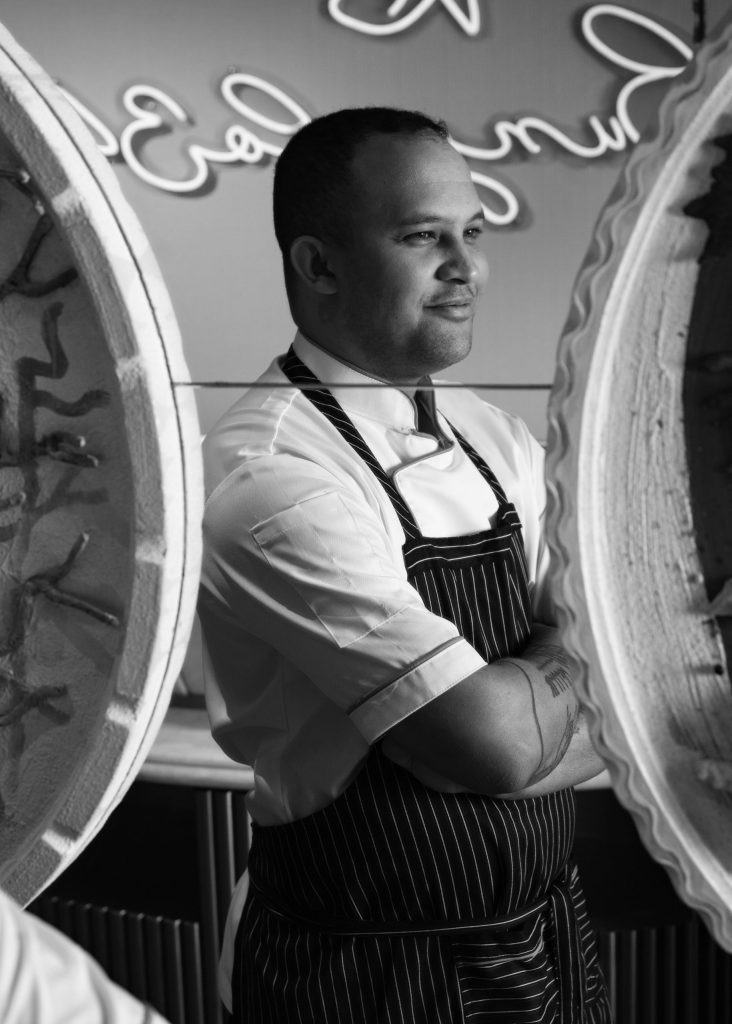
We spoke with the chef about leading a high-performing kitchen at a young age, building a culture of discipline and collaboration, and how Bungalo34 continues to evolve in 2026 within Dubai’s highly competitive dining scene.
At 28, you are leading one of Dubai’s most visible beachside restaurants. How has your age influenced the way you approach authority, discipline, and leadership in the kitchen?
I see myself as part of the “Middle Generation” — not completely “Old School,” but also not completely “New Gen.” Having come up in the industry with the older generation as my mentors, I was taught that discipline and respect are the default in the kitchen. When a senior says something, the answer is always “yes, chef,” regardless of whether I agree or not.
Having had that constantly drilled into me, I knew that was not the type of leader I wanted to be. I never wanted to treat my team as a “tool” to be used whenever needed, as I once was. I try to instill a sense of respect and responsibility in my team that combines the core values of the “old school” with the mindset of the “new gen” — being able to question themselves and me when needed. I will never assume that I know everything and try to keep learning constantly.
I also try to encourage my entire team to embody the idea of continuously learning and growing together, rather than leading through dictating and berating. In this way, you create a new generation of chefs who want to empower each other through healthy competition rather than stress and pressure.
Bungalo34 carries a Riviera-inspired identity. How do you interpret the Riviera today as nostalgia, lifestyle, or a culinary philosophy?
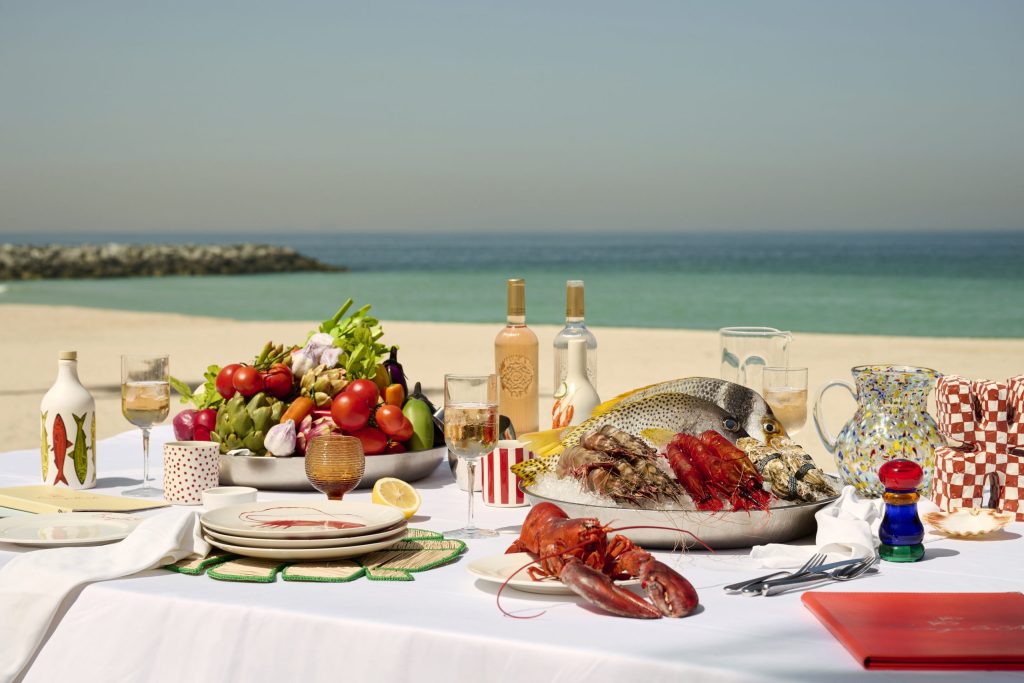
Historically, cultures and cuisines along the rivieras have been more relaxed and simple compared to the ever-growing, fast-paced life of big cities. Rivieras are often seen as an “escape” from reality — a place where one goes to relax, stop thinking about the world as it is, and simply enjoy what is in front of them.
That is the culture of Bungalo34. It is an “escape” from the hustle and bustle of Dubai’s ever-growing city. It is a place where you can stick your feet in the sand, enjoy a glass of crisp rosé, savor a delicately grilled fish from the display, and look out over the blue sea — forgetting your troubles and getting lost in the moment.
“La dolce vita” — living the sweet life. To me, that is what truly embodies the spirit of a riviera concept.
Your cooking is described as ingredient-led and precise, without theatrics. In an era where spectacle often dominates dining, why does restraint matter to you?
“Smoke and mirrors” fade over time with every new fad that comes around. Constant innovation pushes chefs to the edge of their ability and keeps them on top of an ever-growing industry, which is great. We need chefs like that to keep us on our toes. But at the end of the day, chefs and restaurateurs often overlook the ingredient itself in favor of what they can do with it.
Sometimes a beautiful tomato simply needs to be that — a beautiful tomato. I find more pleasure in discovering a great product and letting it shine, rather than thinking about what can be done with it and overworking it to the point where it gets lost.
This philosophy ties directly into the concept of the restaurant. You come to Bungalo34 to enjoy the simplicity of life, and the food needs to reflect that. Going to a restaurant once a week or once a month to enjoy theatrics is great, and it is something I would recommend everyone experience. But for the other 29 or 30 days of the month, what truly makes people smile is the genuine simplicity of a good home-cooked meal — something that embodies relaxation and enjoyment, which is exactly what Bungalo34 aims to offer.
It is the kind of place you can visit three or four times a week, where you know exactly what you will get: a well-cooked meal, slightly elevated, allowing you to enjoy a sense of ease and pleasure rather than theatrics or overthinking the everyday.
Conor, you have built a team culture based on trust and shared responsibility. What does strong kitchen leadership look like beyond technical skill?
Empowerment and growth. To me, being a strong leader means growing your team in a way that one day they will be able to do your job better than you. Technical skills can be taught to anyone who wants to learn them, but instilling a culture in the kitchen based on mutual respect and the growth of each individual is far more challenging — and that challenge is far more rewarding in the end.
If each chef I train moves on to a new concept or a new restaurant with the same mentality of building, empowering, and growing together, I truly believe we as chefs will all be better for it.
The restaurant performs consistently even in your absence. What systems or mindset have you implemented to make that possible?
The mantra I preach to my team on a daily basis is: “The difference between good and great is in the small details.” Every plate of food, every component, and every sauce or dressing is tasted by both the chef preparing the meal and the senior chef sending it out.
I always tell my team that if they would not be happy to receive the dish themselves while dining at a restaurant like Bungalo34, then it should not be sent out. With this mindset in place, the kitchen is able to execute services consistently, with or without me being there.
In this way, I can help grow my chefs’ independence, teach them good habits, and invest in their technical skills without having to worry about whether the food coming out of the kitchen is up to standard.
Sustainability is central to your operations. Do you see low-waste cooking as an ethical responsibility, a creative challenge, or a business necessity?
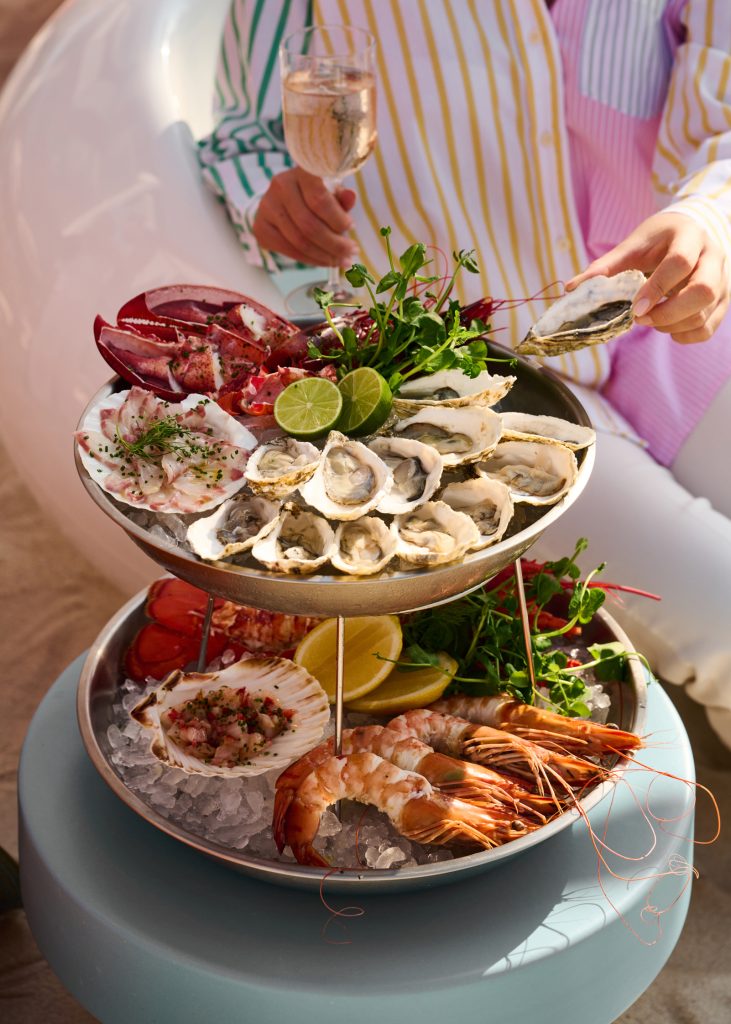
To me, it is an ethical responsibility. I am always heartbroken when food is wasted, whether during preparation or at the end of a meal. With so many hungry people in the world, I truly believe that food should not be wasted.
Every minuscule drop of flavor an ingredient can give should be used. It is not only about the people who go hungry — intensive labor goes into growing produce, and animals’ lives are taken to provide that portion of protein. It is only respectful to everyone involved that each part of the product is used.
This is why at Bungalo34 we choose to process each individual component ourselves. It not only serves as a way to teach our chefs new skills, but also allows us to transform what would otherwise be considered “general waste” into something delicious.
Converting over 3,000 kg of waste into compostable soil is operationally impressive. How do you ensure sustainability is embedded in culture rather than treated as a PR initiative?
Having the team invested in the end goal, and understanding how their actions affect the world and the products we use every day, is how sustainability becomes a culture rather than a trend.
At Bungalo34, the waste that we transform into compost is used across farms in the UAE. So every time one of us sees a product in the kitchen — or anywhere else — labeled “grown in the UAE,” it instills a sense of pride, knowing we had a hand in helping grow that incredible product.
Your recent menu launch was described as more personal and story-driven. How do you balance emotional narrative with technical discipline on the plate?
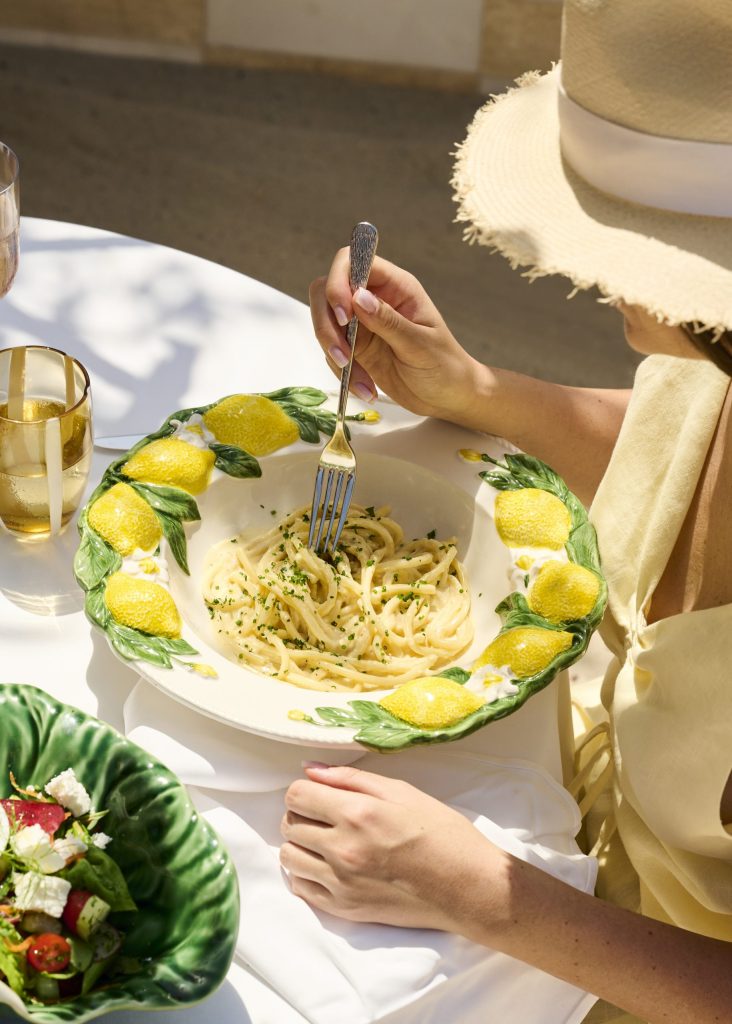
For me, my emotional narrative lies in technical discipline. My culinary story is a simple one: “Good food done well.” The simplicity of our food does not mean that each ingredient is not treated with the utmost respect.
Ensuring every shallot is brunoised, every carrot julienned, and every fish grilled until light and fragrant reflects the technical discipline that conveys emotion — treating each ingredient with the respect it deserves and carrying that care through to the final plate.
The handmade Corzetti embossed with the Bungalo34 logo is a distinctive gesture. What role does symbolism play in your cooking?
Symbolism does not really play a massive role for me. As Marco Pierre White once said, “Mother Nature is the real artist, and we are just the cooks.” The stamp on the corzetti carries more of a nostalgic meaning.
Historically, this particular pasta was embossed with the sigil of the family that made it and shared among them. That is essentially what it represents for us — a small gesture to remind our guests that those who dine at Bungalo34 are considered family.
Dubai is a highly competitive dining market with globally recognised names. What, in your view, defines long-term relevance rather than momentary hype?
For me, consistency defines long-term relevance. When everything is done consistently — from the moment you walk into the restaurant until the moment you leave — it creates long-term relevance and the desire to return regularly.
Every time you visit, the food, the drinks, and the atmosphere should be just as good as the first day you walked in, if not better.
For a sophisticated, well-travelled audience, what differentiates a truly exceptional beachside restaurant from a beautiful location with good food?
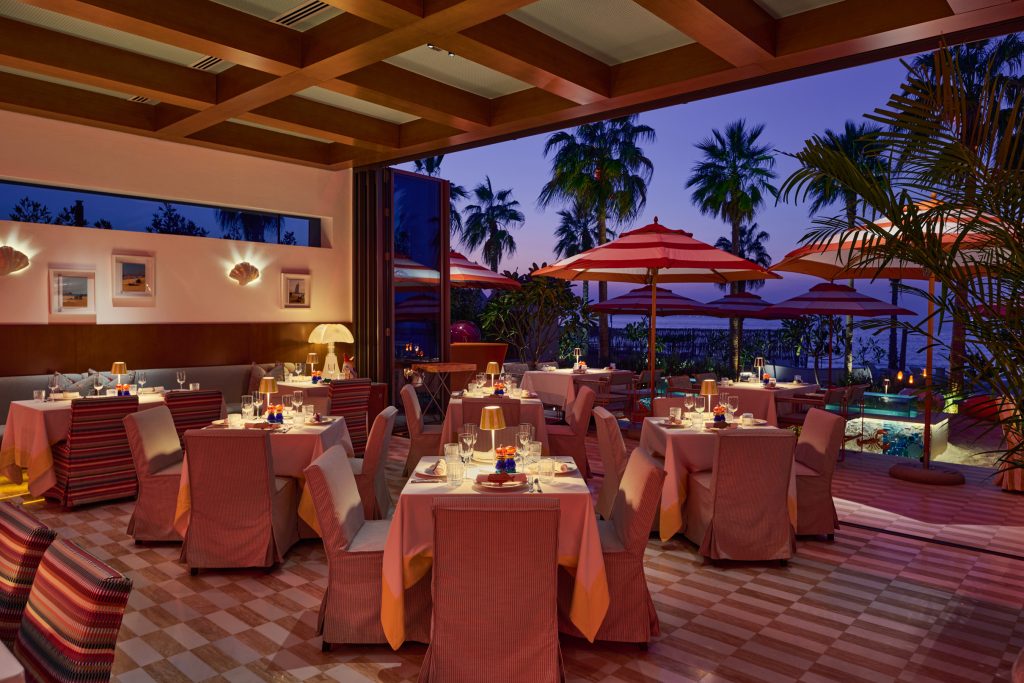
The overall experience our guests receive from start to finish. Is the hostess smiling and greeting you warmly? Has the waiter been welcoming? Does the décor look inviting? Are the drinks served at the right temperature? Is the food delicious?
These are the questions we keep asking ourselves. Natasha, our CEO, is constantly saying, “The devil is in the details.” At the end of the day, it’s not just about selling food or beverages — we aim to offer an experience.
You often ask yourself how to make the restaurant better than yesterday. What area of growth currently challenges you most — creativity, management, sourcing, or personal development?
At the moment, the area of growth that is most challenging for me would have to be my people skills. Believe it or not, I am a very shy person who feels far more comfortable and confident behind a stove than in front of a guest.
However, my personal motto is: “If you keep doing what you can do, you will never be more than what you are right now.” So I am trying to push myself to interact more with guests and gain their feedback. At the end of the day, I am not the one eating the food — they are. The only way to improve what I am currently doing is to hear their constructive feedback. And what better way to do that than face to face?
Looking ahead, what would need to happen for Bungalo34 to be considered not just a leading venue in Dubai, but a benchmark on the international stage?
I think it would be for everyone at Bungalo34 to share the same goal. If every member of the team works toward that goal, there is no doubt in my mind that we can set a benchmark for beachside dining on an international scale.
But this takes time. Finding the right people and nurturing them so they can truly see and share the vision is demanding and requires a long journey. Unfortunately, not everyone who starts that journey is able to make it to the end.
However, I have no doubt that if you walk in every day with the energy and the mindset that “today I’m going to make my guests’ experience better than yesterday,” we will eventually be known globally as the example that beachside restaurants look to.
Listening to Conor Dirks speak about the kitchen at Bungalo34, it becomes clear that the restaurant’s identity is built on discipline. Chef’s approach is grounded in respect for ingredients, attention to detail, and the belief that consistency — rather than constant reinvention — is what ultimately defines a restaurant’s longevity.
At Bungalo34, this philosophy translates into a dining experience that feels effortless yet carefully considered. Riviera ease, ingredient-led cooking, and a culture of trust within the kitchen come together to create a place that guests return for confidence of food done well.
Read later
Share