Art Fairs in the GCC: Where Culture and Prestige Meet
 Read later
 Share
Share
Over the past decade, the Gulf has quietly but decisively positioned itself as one of the most influential cultural regions in the world. Beyond architecture, design and museums, art fairs have become central pillars of cultural life in the GCC, shaping how art is experienced, discussed and valued across the region.
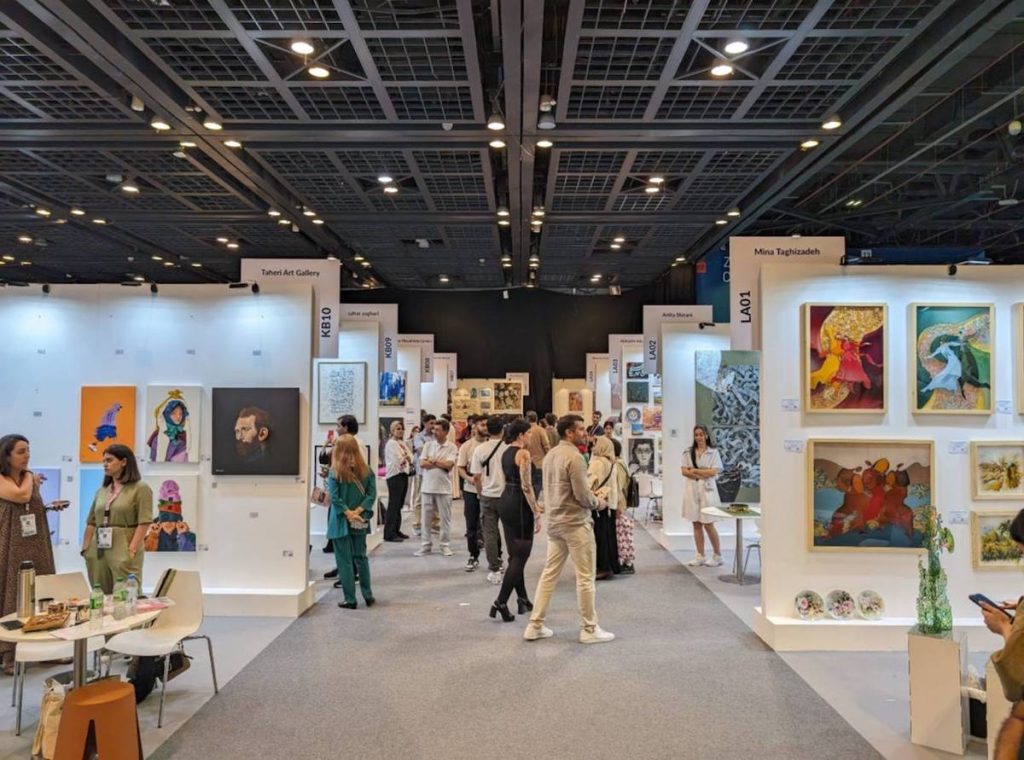
For ultra-high-net-worth individuals living in or travelling through the UAE, Qatar and neighbouring countries, these events represent far more than exhibition spaces. They function as intellectual forums, social rituals and markers of cultural capital, where global perspectives intersect with regional narratives. In the Gulf, attending an art fair is no longer a matter of visibility—it is a statement of engagement, knowledge and influence.
Why Art Fairs Have Become Cultural Pillars in the Gulf
Art fairs in the GCC have evolved into sophisticated platforms that combine curatorial ambition, global dialogue and refined social dynamics. Their relevance lies not only in what is displayed, but in how these events frame culture within a broader regional vision.
From regional showcases to global cultural platforms
Early art events in the Gulf focused primarily on introducing regional artists to local audiences. Today, the landscape looks very different. Art fairs in cities such as Dubai and Abu Dhabi attract international collectors, curators, museum directors and cultural institutions from across Europe, Asia and the Americas.
This global participation has elevated the status of GCC art fairs, positioning them as crossroads between East and West. Rather than replicating Western models, these fairs offer a distinct voice—one that blends global contemporary art with perspectives rooted in Middle Eastern history, identity and modern transformation.
The role of art fairs in shaping cultural identity
Art fairs play a strategic role in defining how the Gulf presents itself culturally to the world. Through curated sections, thematic programming and institutional collaborations, they communicate a narrative of openness, intellectual ambition and cultural maturity.
For the region, these events act as soft-power instruments, reinforcing the idea that the GCC is not only an economic hub, but also a place where ideas, creativity and cultural dialogue flourish.
Why UHNW audiences gravitate toward curated art events
Affluent audiences increasingly seek environments that stimulate thought and conversation rather than spectacle. Art fairs provide a structured yet dynamic setting where UHNW individuals can engage with cultural discourse, meet peers with similar interests and access knowledge in a refined atmosphere.
For many, attendance reflects cultural literacy and discernment, rather than social exposure.
Art Dubai – The Crossroads of Global and Middle Eastern Art
Art Dubai has become one of the most internationally recognised art fairs in the Middle East, known for its diversity, intellectual scope and ability to connect different artistic geographies.
A bridge between East and West
What sets Art Dubai apart is its position as a genuine connector. The fair brings together galleries and artists from the Middle East, Africa, South Asia and beyond, creating conversations that rarely occur in more Eurocentric art capitals.
This geographical breadth resonates strongly with Gulf audiences, whose cultural outlook is often global yet deeply connected to regional heritage. Art Dubai mirrors that duality.
Why Art Dubai attracts collectors and cultural patrons
Rather than focusing solely on market trends, Art Dubai emphasises discovery, dialogue and education. Talks, curated sections and research-based initiatives create layers of meaning that appeal to seasoned collectors and cultural patrons alike.
For UHNW visitors, the fair offers a chance to engage with art intellectually—often through private conversations, curated walks and intimate gatherings that take place alongside the public programme.
The fair as a social and intellectual gathering
Art Dubai functions as much as a meeting place as it does an exhibition. Collectors, advisors, artists and institutional figures converge in an environment that encourages thoughtful exchange.
These interactions—often occurring away from the public eye—are where influence is built and cultural relationships are formed.
Abu Dhabi Art – Curated Excellence and Institutional Dialogue
Abu Dhabi Art distinguishes itself through a strong emphasis on curatorship and institutional engagement, aligning closely with the emirate’s broader cultural strategy.
Curated sections and intellectual programming
Unlike fairs driven primarily by commercial momentum, Abu Dhabi Art places significant weight on curatorial vision. Carefully selected sections, thematic frameworks and academic contributions elevate the experience into something closer to a cultural forum.
This approach appeals to audiences who value context and depth over immediacy.
Connection with museums and cultural districts
Abu Dhabi’s investment in world-class museums and cultural districts creates a natural ecosystem for the fair. Abu Dhabi Art often functions as a gateway into broader cultural experiences, encouraging visitors to explore exhibitions, collections and architectural landmarks beyond the fair itself.
For UHNW travellers, this integration enhances the sense of purpose and coherence in the cultural journey.
A refined alternative for experienced collectors
Abu Dhabi Art attracts collectors who are less interested in trends and more focused on long-term cultural engagement. The fair’s atmosphere is measured, calm and intellectually stimulating—qualities that resonate with experienced audiences seeking substance rather than spectacle.
Sharjah Biennial – Conceptual Depth and Artistic Experimentation
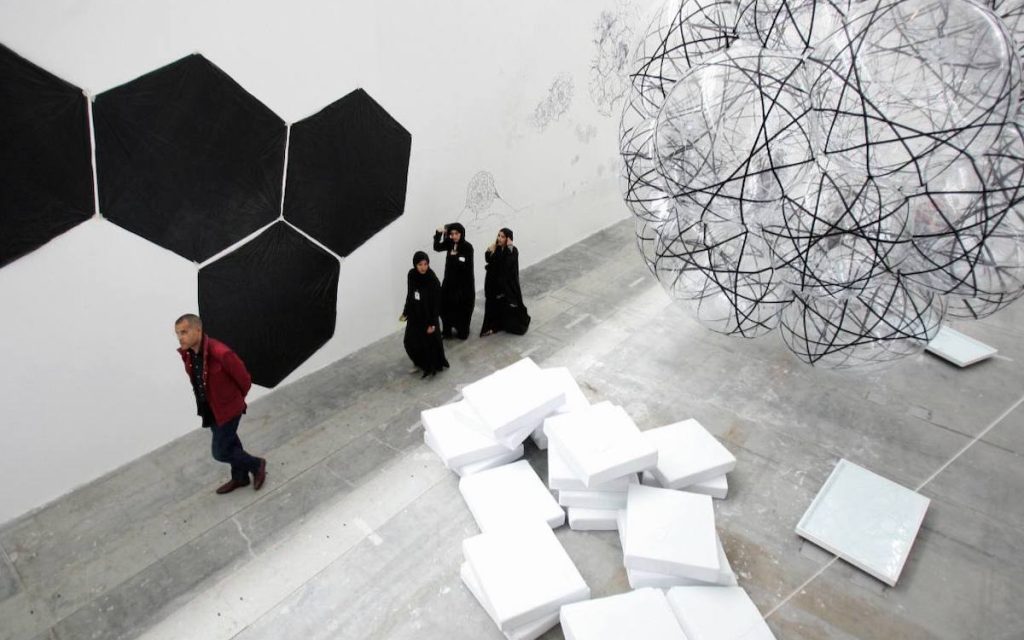
The Sharjah Biennial occupies a unique position in the regional cultural landscape. It is widely regarded as one of the most intellectually rigorous contemporary art platforms in the Middle East.
Why Sharjah appeals to intellectually driven audiences
Sharjah Biennial prioritises ideas, research and experimentation. Its exhibitions often address social, political and historical themes, encouraging visitors to engage critically rather than passively.
This focus attracts curators, academics, artists and collectors who appreciate art as a tool for inquiry and reflection.
Art as discourse rather than spectacle
Unlike conventional fairs, the Biennial operates outside commercial constraints. This allows for bold curatorial choices and long-form narratives that challenge audiences intellectually.
For UHNW individuals interested in the conceptual foundations of art, Sharjah offers an experience rooted in cultural substance and credibility.
The Biennial’s influence on the regional art narrative
Sharjah Biennial has played a significant role in shaping how Middle Eastern contemporary art is perceived globally. Its influence extends beyond exhibitions, contributing to education, research and long-term cultural development in the region.
Art Fairs as Social and Cultural Experiences
Beyond their artistic content, art fairs in the GCC function as carefully choreographed social environments.
Private previews, collectors’ circles and social rituals
Much of the real engagement occurs during private previews, invitation-only gatherings and informal dinners. These moments allow for meaningful conversations, discreet networking and deeper cultural exchange.
Networking, influence and soft power
Art fairs bring together individuals who shape opinion, policy and patronage. Participation signals cultural awareness and access to influential networks, reinforcing the fair’s role as a nexus of power and creativity.
Art fairs as markers of cultural capital
In the Gulf, attending leading art fairs reflects a broader lifestyle choice—one that values education, global outlook and cultural refinement. These events serve as markers of cultural capital rather than public display.
The GCC as a Global Art Destination
Art fairs in the GCC have evolved into essential cultural institutions, shaping how the region engages with global creativity and intellectual discourse. From the cosmopolitan dialogue of Art Dubai to the curatorial depth of Abu Dhabi Art and the conceptual rigor of Sharjah Biennial, these events collectively define the Gulf’s cultural maturity.
For UHNW audiences, they offer something increasingly rare: access to ideas, conversations and experiences that transcend trends and commerce. In this sense, art fairs are not merely events—they are reflections of a region confidently asserting its place within the global cultural landscape.
Read later
Share